

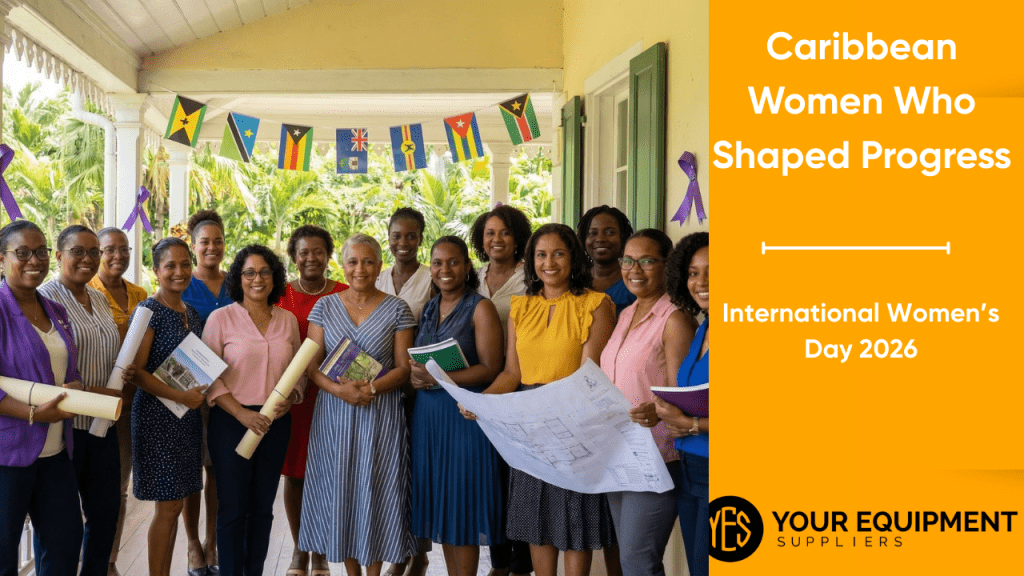
Every year, the world marks International Women’s Day as a moment to recognise the achievements of women and reflect on the work still needed to achieve gender equality. The 2026 theme, “Give to Gain,” centres on a powerful principle: when individuals and communities give generously, through knowledge, mentorship, advocacy, opportunity, and support, everyone benefits.
The idea is both simple and surprisingly radical. Progress rarely comes from competition alone. It grows through collaboration and generosity. When people invest in the advancement of women, the result is not a loss for others; it is a multiplication of opportunity across society.
The Give to Gain campaign emphasises that contributions to women’s advancement, whether through education, resources, visibility, or mentorship, create stronger communities and more resilient economies. When women succeed, families benefit, businesses grow, and entire nations move forward.
History offers countless examples of this principle in action. Many of the opportunities women have today exist because earlier generations chose to give their energy, courage, and vision to something bigger than themselves.
The Caribbean, in particular, has produced remarkable women who invested their lives in building opportunities for others. Their stories show exactly how giving can create lasting gains for future generations.
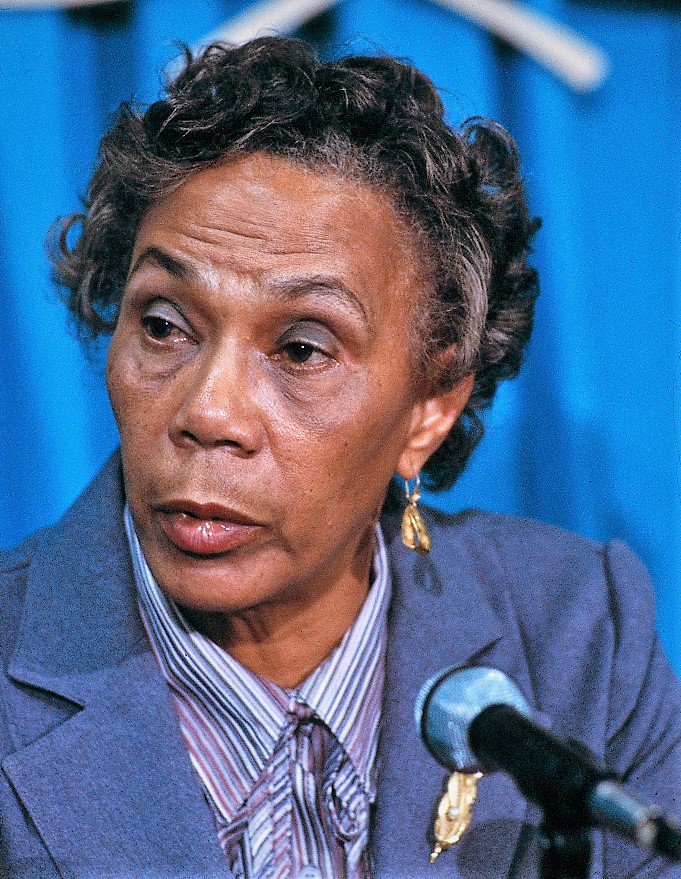
Leadership and Courage: Dame Eugenia Charles
One of the Caribbean’s most influential political leaders was Eugenia Charles of Dominica.
In 1980, Charles became the first woman to serve as Prime Minister of Dominica and one of the first female heads of government in the Caribbean. At the time, global politics was still heavily dominated by men, and female leadership in national government was rare.
Charles developed a reputation for strong, decisive leadership and became known internationally as the “Iron Lady of the Caribbean.” During her tenure, she worked to stabilize Dominica’s economy, strengthen democratic institutions, and promote regional cooperation.
Her leadership mattered not only because of the policies she implemented but because of the doors she opened. By leading at the highest level of government, Charles demonstrated that women could guide national policy and governance with authority and effectiveness.
She gave the region a powerful example of leadership.
Caribbean women gained a new vision of what was possible in public life.
Activism and Cultural Unity: Claudia Jones

Born in Trinidad and Tobago, Claudia Jones became one of the most influential Caribbean activists of the twentieth century.
Jones migrated to the United States as a child and later emerged as a powerful journalist and organizer advocating for workers’ rights, racial equality, and women’s rights. She wrote extensively about how discrimination could intersect across race, gender, and economic status—ideas that later became central to modern discussions about social justice.
After political tensions during the Cold War led to her deportation from the United States, Jones moved to London. There she continued her activism, organizing Caribbean communities and promoting cultural unity.
Her efforts helped establish the Notting Hill Carnival, which grew into one of the largest Caribbean cultural celebrations in the world.
Jones gave her voice to justice, culture, and community empowerment.
Caribbean diaspora communities gained a powerful symbol of pride and solidarity.

Breaking Barriers in Government: Portia Simpson-Miller
Another major Caribbean political trailblazer is Portia Simpson-Miller of Jamaica.
In 2006, Simpson-Miller became Jamaica’s first female Prime Minister. Her rise to leadership followed decades of dedication to public service and grassroots advocacy.
Coming from humble beginnings, Simpson-Miller frequently spoke about the importance of education, opportunity, and social mobility. Her leadership resonated strongly with citizens who saw in her journey the possibility of overcoming structural barriers.
Her presence at the highest level of government expanded representation in Caribbean politics and demonstrated that leadership should reflect the diversity of the people it serves.
She gave representation and advocacy to communities that often felt overlooked.
Women across the region gained inspiration and confidence to pursue leadership roles.
Compassion and Medical Care: Mary Seacole

Long before modern nursing systems existed, Mary Seacole of Jamaica demonstrated extraordinary courage and compassion.
During the Crimean War in the 1850s, Seacole traveled independently to assist wounded soldiers after being rejected from official nursing programs.
Undeterred, she established the British Hotel near the battlefield, where she provided food, shelter, and medical care to soldiers recovering from injuries and illness. She often went directly to the front lines to treat wounded men under dangerous conditions.
For decades her contributions were largely overlooked in historical narratives, but modern scholarship has restored her place as a pioneering nurse and humanitarian.
Seacole gave compassion, medical knowledge, and courage in the face of adversity.
Future generations gained a powerful example of Caribbean humanitarian leadership.

Education and Social Change: Audrey Jeffers
From Trinidad and Tobago, Audrey Jeffers dedicated her life to improving opportunities for women and children.
Jeffers was a social worker, educator, and politician who believed strongly that education and economic independence were essential tools for empowerment.
In the early 20th century she founded the Cocrico Home, an organization that provided training and support for young women and girls. The institution helped many develop skills that allowed them to pursue employment and build stable futures.
Jeffers later became one of the first women elected to public office in Trinidad and Tobago, further expanding women’s participation in governance.
She gave her energy to education, social work, and public service.
Women and girls gained access to opportunities that had previously been out of reach.
Advocacy for Marginalised Communities: Francia Márquez
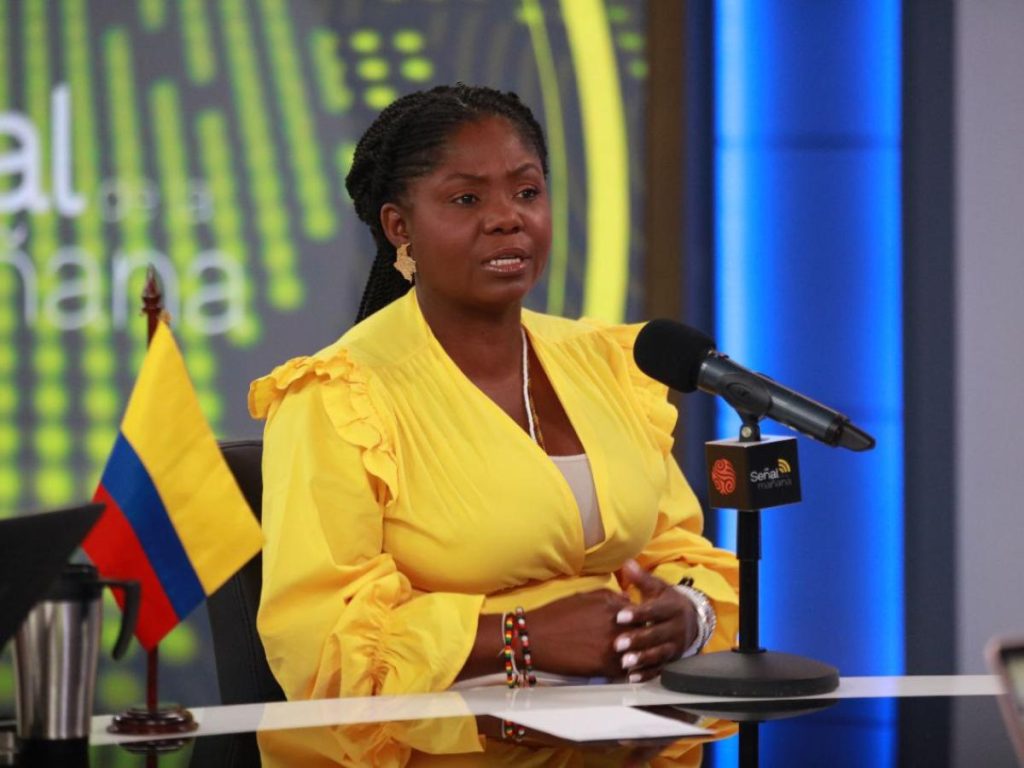
Beyond the Caribbean, powerful examples of Give to Gain leadership can be seen across Latin America.
Francia Márquez of Colombia made history in 2022 when she became the country’s first Afro-Colombian Vice President.
Before entering national politics, Márquez was a grassroots environmental activist who fought to protect rural communities from illegal mining and environmental destruction.
Her advocacy focused on protecting marginalized communities, defending human rights, and promoting environmental justice.
Her rise to national leadership represents a major milestone for representation across Latin America.
She gave her voice to communities that were often ignored.
Millions gained a visible advocate for environmental protection and social equality.
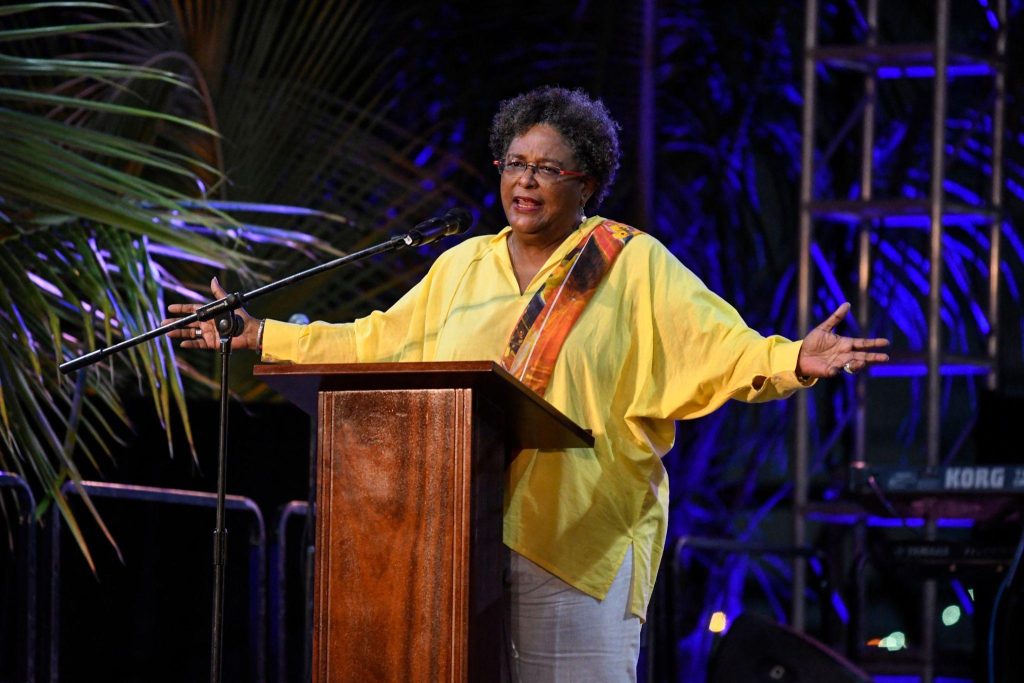
Transformational Leadership: Mia Mottley
In recent years, Mia Mottley of Barbados has become one of the most influential voices in global politics and climate advocacy.
In 2018, she became Barbados’ first female Prime Minister. Her leadership has been widely recognised for addressing economic reform, social development, and climate justice; issues that significantly affect small island nations.
Mottley has gained international respect for her advocacy on climate change, particularly her calls for global financial systems to better support vulnerable countries facing environmental threats.
Her leadership demonstrates how Caribbean voices can influence global conversations.
She gives strong advocacy for climate justice and economic reform.
Small nations and future generations gain a powerful champion on the world stage.
Why “Give to Gain” Matters Today
The stories of these Caribbean women illustrate a powerful truth: meaningful change rarely begins with perfect circumstances.
Instead, it begins when individuals decide to invest their talents, knowledge, and courage into creating opportunities for others.
That investment may take many forms: mentoring young women, supporting women-led businesses, advocating for equal opportunity policies, sharing knowledge, or creating educational pathways.
The Give to Gain message reminds us that generosity strengthens societies.
When people contribute to women’s advancement through education, resources, advocacy, and support, they help create communities that are more innovative, resilient, and inclusive.
Giving is not a subtraction.
It is multiplication.
Continuing the Legacy
The Caribbean has a long history of women who helped reshape society through leadership, activism, education, and compassion. Their contributions demonstrate how progress grows through collective effort.
Today, the next chapter of equality depends on the same principle.
Communities that invest in women’s advancement help build stronger economies, healthier families, and more vibrant cultures.
The question behind the International Women’s Day 2026 theme is therefore both simple and powerful:
What will you give so that others can gain?
History shows that when people choose to invest in opportunity, the results extend far beyond the present moment.
And when women rise, the entire world rises with them.


