

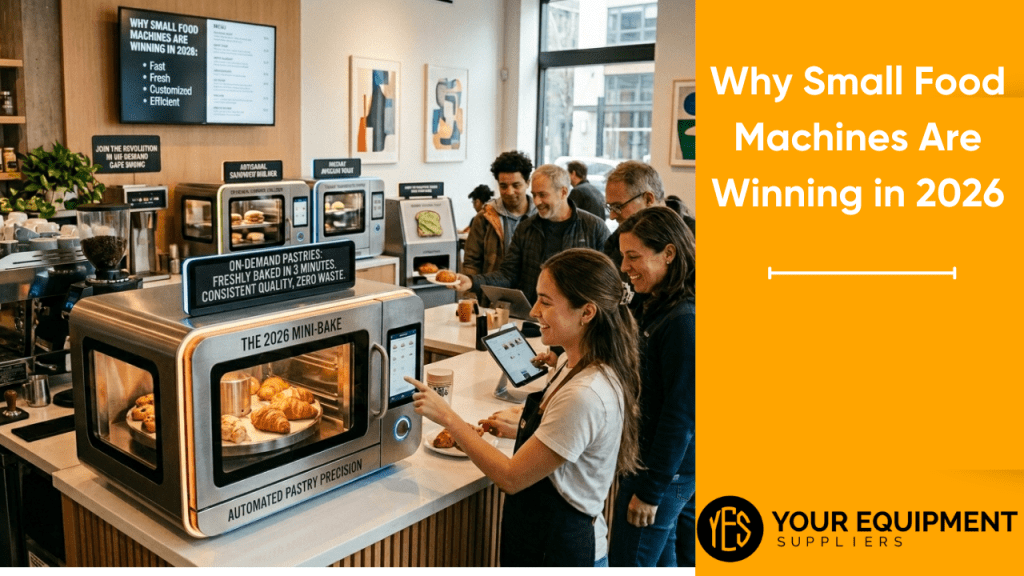
At 6:45 a.m., Marlon was already sweating.
Not from the heat, but from stress.
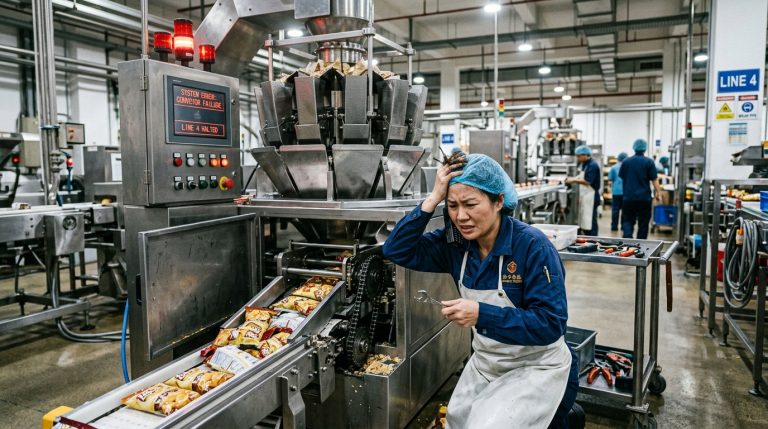
His large ice cream machine had broken down again. Orders were piling up, staff were waiting, and customers were already messaging asking if he was open. The technician he usually called couldn’t make it until “later today,” which in real terms meant lost sales, frustrated customers, and another day of scrambling.
A year later, Marlon runs two smaller machines instead of one big one.
When one needs maintenance, the other keeps the business moving. No shutdown. No panic. No lost day.
That shift away from oversized, all-in-one dependency is exactly why small machines are quietly winning in 2026.
The Old Thinking Is Costing You
For years, the logic seemed obvious:
Bigger machine = higher output = more profit.
But that equation can change under real-world pressure.
Large machines come with:
- Higher upfront costs
- More complex repairs
- Longer downtime when something goes wrong
- Heavy reliance on specialised technicians
Most people know this, but everyone thinks the possibility of it happening to them is small:
When a large machine stops, your entire operation stops with it.
That is an absolute risk.
Small Machines Shift the Risk Model
Small machines don’t just reduce cost; they change how your business absorbs problems.
Instead of one critical failure point, you get flexibility.
Think about it:
- One machine goes down → production continues
- Maintenance can be staggered instead of disruptive
- You scale gradually instead of overcommitting upfront
This isn’t about thinking small. It’s about thinking modular.
Why This Trend Is Accelerating in 2026
Three forces are pushing this shift harder than ever:
1. Downtime Is More Expensive Than Ever
Customers expect consistency. If you’re closed for a day, they don’t wait; they go somewhere else.
In markets like food and beverage, reliability is revenue.
Small machines reduce the chance of full shutdowns, which protects your daily cash flow.
2. On-Demand Repair Services Are Changing the Game
You no longer need to rely on a single technician with a long waiting list.
On-demand repair services are becoming:
- Faster
- More accessible
- More specialized
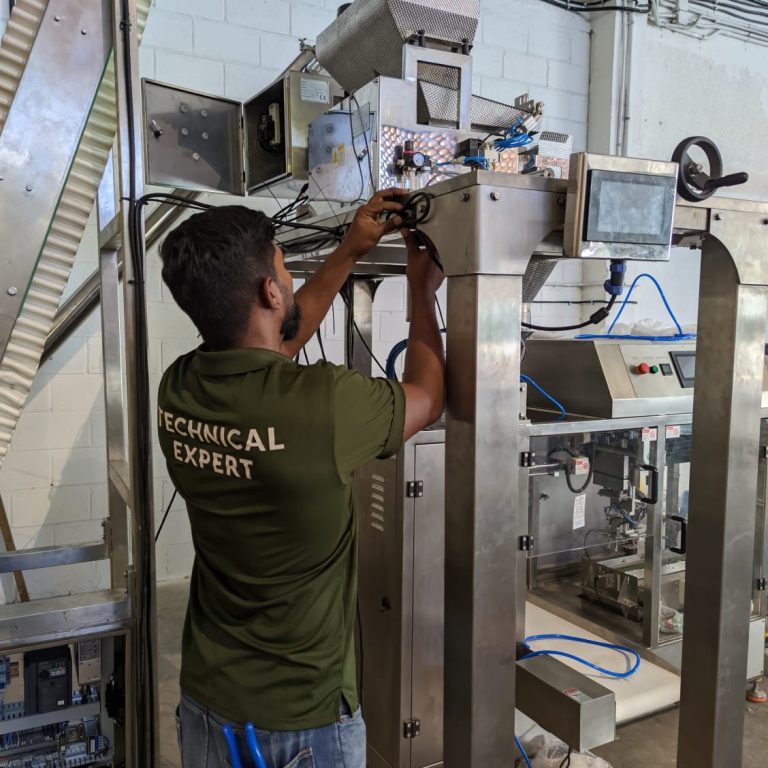
This means smaller machines, being simpler, can be fixed more quickly, often without shutting down your entire operation.
But, of course, there is a catch.
Repair speed only matters if your business can survive while waiting.
Small machines give you that buffer.
3. Cash Flow Matters More Than Capacity
Big machines tie up capital.
Small machines let you:
- Start sooner
- Test demand
- Reinvest profits into growth
Instead of betting everything upfront, you build capacity based on real sales.
That’s how sustainable businesses scale.
The Hidden Advantage: Operational Control
Most business owners think machines are just about production.
They’re not.
They define how flexible, or fragile, your business is.
With smaller machines, you gain:
- Better control over batch sizes
- Ability to experiment with new products
- Easier staff training
- Lower stress during peak hours
That last one matters more than people admit.
Because stress leads to mistakes. Mistakes cost money.
Let’s Talk About the Real Trade-Off
Small machines are not perfect.
They come with limitations:
- Lower per-unit output
- Potentially higher labor involvement
- Need for coordination across multiple units
So if your only goal is maximum volume at all costs, large machines still have a place.
But that’s not how most SMEs actually operate.
Most businesses need:
- Consistency
- Flexibility
- Manageable risk
And that’s exactly where small machines outperform.
What Smart Operators Are Doing Differently
The shift isn’t just about equipment; it’s about strategy.
Here’s what smarter operators are doing in 2026:
1. Running Dual-Machine Setups
Two smaller machines instead of one large unit.
2. Planning for Failure (Not Hoping It Won’t Happen)
They assume breakdowns will occur and design around them.
3. Using Repair Services as Part of Operations
Not as a last resort, but as a built-in support system.
4. Scaling in Phases
Adding machines as demand proves itself.
Where Most People Still Get It Wrong
They focus on capacity instead of continuity.
Capacity looks good on paper.
Continuity is what keeps money coming in daily.
If your system can’t survive a breakdown, it’s not a strong system; it’s just a fast one.
So, Should You Switch to Small Machines?
That depends on one question:
Can your business afford to stop for a day?
If the answer is no, then relying on a single large machine is a liability, not an asset.
Small machines won’t magically make your business successful.
But they will:
- Reduce risk
- Improve flexibility
- Protect your revenue during disruptions
And in 2026, that’s what separates businesses that survive from those that stall.
Final Thought
Marlon didn’t grow because he bought more equipment.
He grew because he stopped building a system that could collapse from one failure.
That’s the real shift happening right now.
Not bigger machines.
Smarter systems.


