

How to Choose the Right Machine for Your Business
Buying commercial food processing equipment is one of the biggest investments your business will make. Whether you’re launching a new product, increasing production capacity, or replacing ageing machinery, the equipment you choose will directly impact your efficiency, product quality, operating costs and long-term profitability.
Yet many businesses focus on one thing above all else: price.
While staying within budget is important, the cheapest machine isn’t always the best investment. Likewise, the largest or most advanced piece of equipment isn’t necessarily the right fit for your operation.
The best purchasing decisions come from understanding exactly what your business needs, knowing how to compare different machines, and choosing a supplier that will continue to support you long after installation.
This guide walks you through the key considerations every food and beverage manufacturer should make before investing in new equipment.
Start with Your Production Requirements
Before you begin requesting quotations or comparing suppliers, define exactly what you need your equipment to do.
Consider questions such as:
- What product will this machine produce?
- What ingredients will it process?
- How much do you need to produce per hour or per day?
- Will production be continuous or batch-based?
- Will demand increase over the next few years?
- Do you plan to introduce additional products using the same machine?
The clearer your production requirements, the easier it becomes to narrow your options. Purchasing equipment before defining these requirements often leads to buying machinery that is either too small, too large or unsuitable for the product being manufactured.
Understand Equipment Categories
Commercial food production involves many different types of machinery, each designed for a specific purpose. Understanding these categories will help you identify the equipment that best suits your production process and business goals.
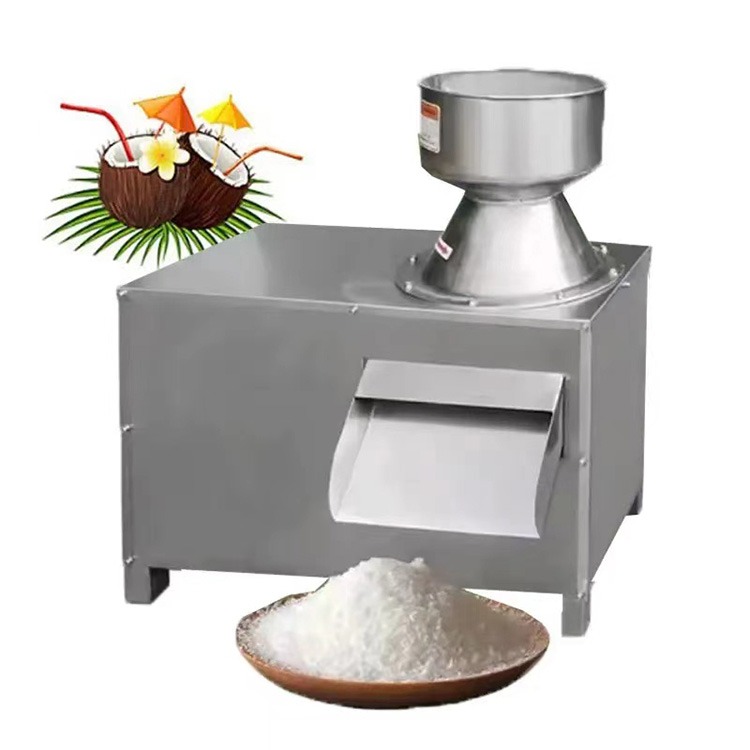
Preparation Equipment
Preparation equipment is used to prepare raw ingredients before they move into the production process. These machines improve consistency, reduce manual labour and help maintain product quality.
Examples include:
- Vegetable cutters
- Meat slicers
- Meat grinders
- Grain mills
- Coconut peelers
- Coconut dehuskers
- Washing machines
- Peelers
- Dough mixers
- Ingredient weighing systems

Processing Equipment
Processing equipment transforms raw ingredients into finished or semi-finished products through mixing, cooking, heating, cooling or other manufacturing processes.
Examples include:
- Mixers
- Grinders
- Blenders
- Homogenisers
- Pasteurisers
- Fermentation tanks
- Cookers
- Fryers
- Dehydrators
- Freeze dryers
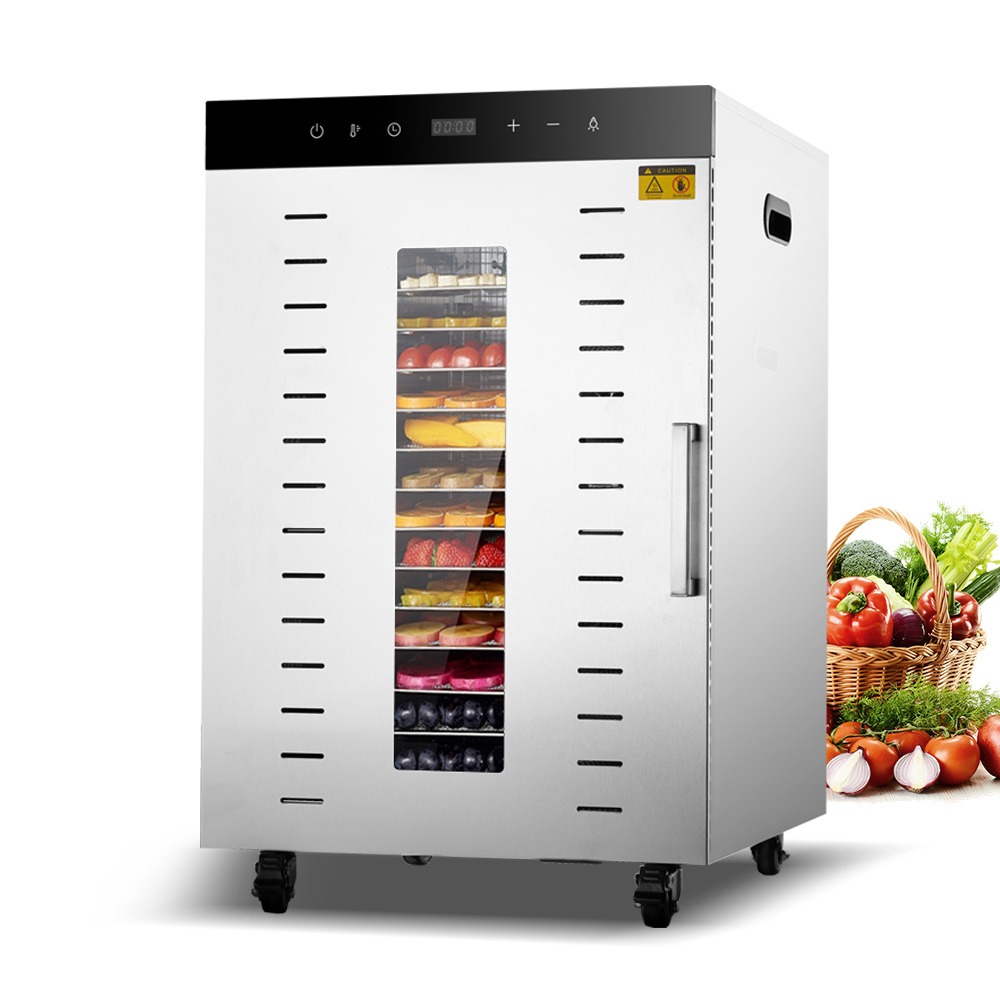
Preservation Equipment
Preservation equipment extends product shelf life while maintaining quality, flavour and food safety. The type of preservation method you choose will depend on your product and intended storage conditions.
Examples include:
- Blast chillers
- Commercial freezers
- Cold rooms
- Vacuum cooling systems
- Freeze dryers
- Dehydrators
- Vacuum packaging systems
- Retort systems
- Canning equipment
Packaging Equipment
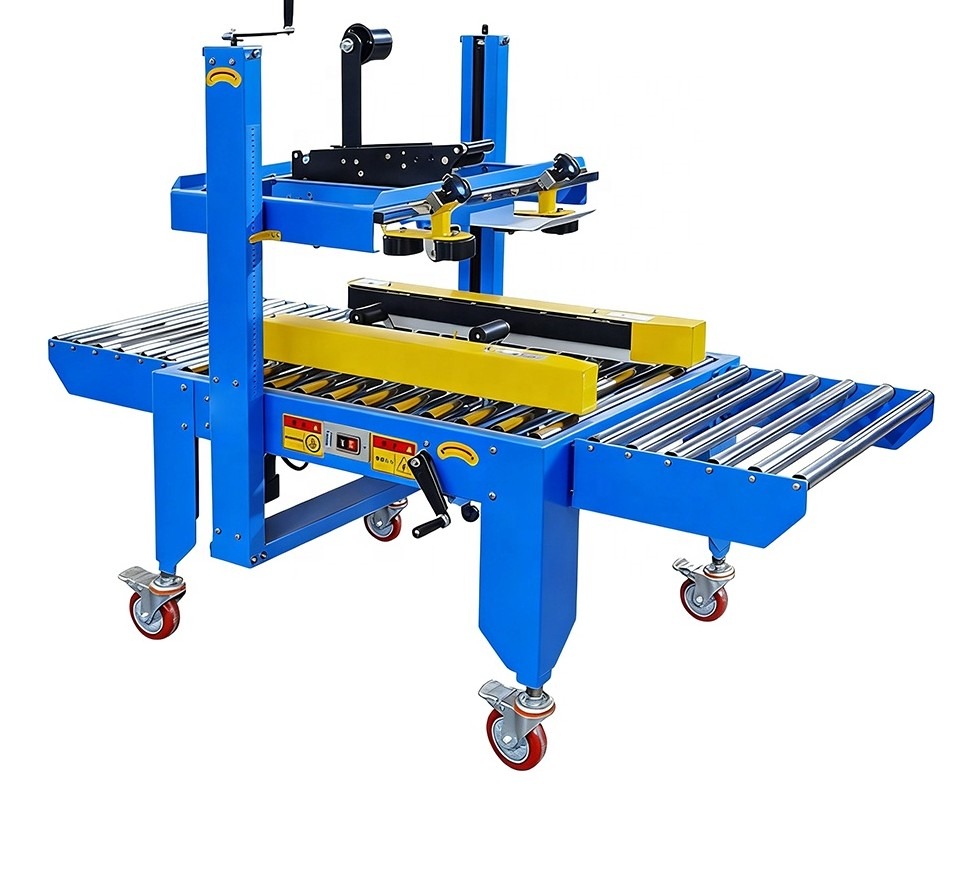
Packaging equipment prepares products for storage, transport and retail by improving efficiency, protecting the product and enhancing presentation.
Examples include:
- Filling machines
- Vacuum sealers
- Labelling machines
- Capping machines
- Can seamers
- Shrink wrapping machines
- Vertical Form Fill Seal (VFFS) machines
- Horizontal flow wrappers
- Carton sealing machines
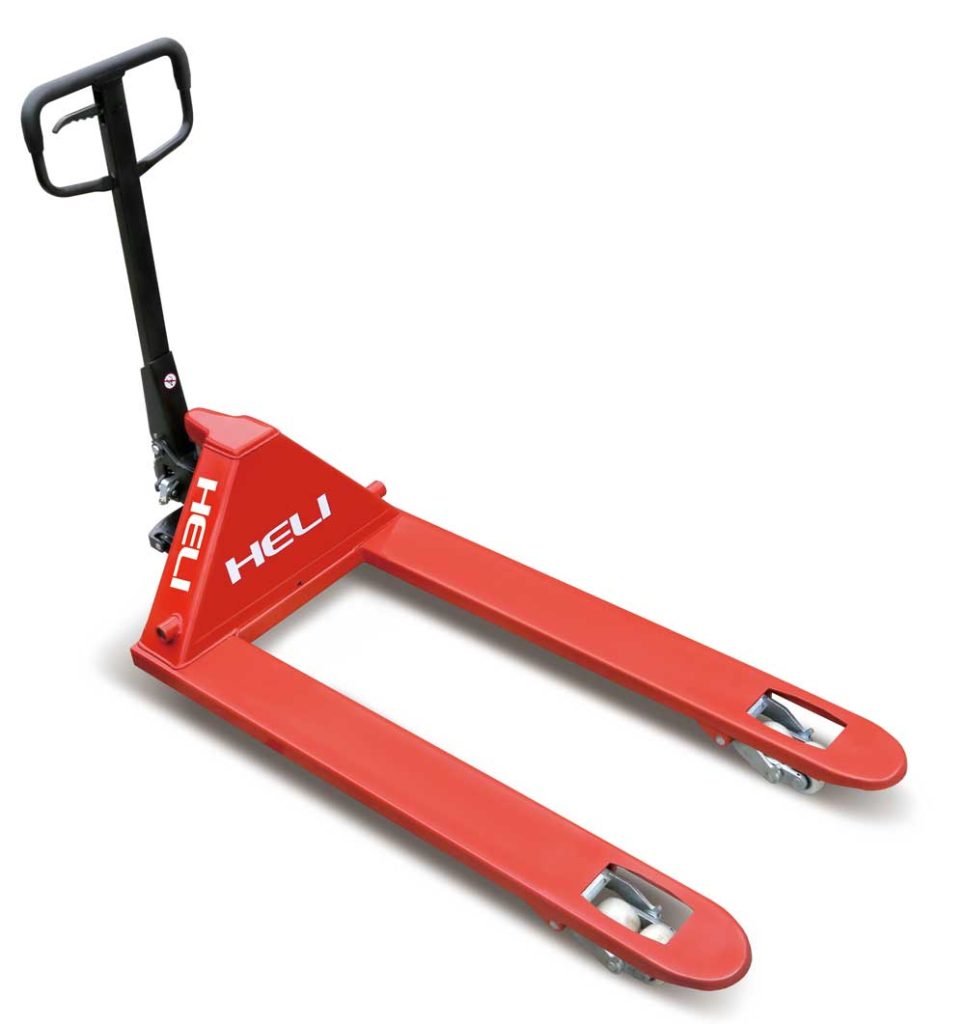
Material Handling Equipment
Material handling equipment moves ingredients, products and packaging safely and efficiently throughout your facility, helping to improve workflow while reducing manual handling and the risk of product damage.
Examples include:
- Conveyors
- Pallet jacks
- Pallet stackers
- Forklifts
- Trolleys
- Lift tables
- Hoists
- Bin lifters
Understanding which equipment categories apply to your operation is the first step towards building an efficient production line. Once you’ve identified the stages involved in your manufacturing process, you can begin evaluating the specific machines that best support your production goals.
Learn How to Compare Capacity
One of the biggest mistakes buyers make is comparing machines based only on advertised production capacity.
Manufacturers may quote capacity in several different ways, including:
- Kilograms per hour (kg/hr)
- Litres per hour (L/hr)
- Pieces per minute
- Bottles per hour
- Batch size
- Cycle time
However, advertised output is usually based on ideal operating conditions.
In reality, production speed depends on several factors, including product consistency, operator experience, ingredient preparation and cleaning time between batches.
Rather than asking, “What’s the maximum capacity?”, ask:
- What is the typical production rate?
- What product was used during testing?
- Does capacity change with different recipes?
- How much downtime is required between batches?
Understanding real-world performance gives you a much more accurate picture of how the equipment will perform in your facility.
Read the Specification Sheet Like a Professional
Specification sheets contain far more information than just dimensions and motor size.
Learning how to interpret them helps you compare machines objectively.
Pay particular attention to:
| Specification | Why It Matters |
|---|---|
| Capacity | Determines expected production output. |
| Voltage | Must match your electrical supply. |
| Phase | Single-phase and three-phase equipment require different power sources. |
| Power Consumption | Influences operating costs. |
| Machine Dimensions | Ensures the equipment fits within your facility. |
| Weight | May affect transportation and floor loading. |
| Utility Requirements | Some machines require compressed air, water or drainage. |
| Temperature Range | Critical for heating or cooling equipment. |
| Production Speed | Indicates operational efficiency. |
Don’t hesitate to ask suppliers to explain unfamiliar specifications. A reputable supplier should be able to explain how each one affects day-to-day operation.
Evaluate Build Quality
Two machines with similar specifications can perform very differently depending on how they’re built.
When comparing equipment, look beyond the brochure.
Consider:
Stainless Steel Grade
Food processing equipment is commonly manufactured using either 304 or 316 stainless steel.
- 304 stainless steel is suitable for most food processing applications.
- 316 stainless steel offers greater corrosion resistance and is often preferred for high-acid, high-salt or pharmaceutical applications.
Construction
Look for:
- Smooth welds
- Strong frame construction
- Food-grade contact surfaces
- Durable hinges and fittings
- Easily removable components for cleaning
Components
Quality machines often use reputable motors, electrical components and bearings that improve reliability and make replacement parts easier to source.
Don’t Forget Installation Requirements
Buying the machine is only half the job.
Before placing your order, confirm that your facility is ready to receive and operate it.
Check:
- Doorway widths
- Ceiling height
- Floor space
- Floor load capacity
- Electrical supply
- Water supply
- Drainage
- Ventilation
- Compressed air availability (where required)
It’s not uncommon for businesses to receive equipment only to discover it won’t fit through the entrance or cannot be connected without additional building work.
Planning ahead avoids unnecessary delays and costs.
Compare Suppliers, Not Just Equipment
A reliable supplier can make the difference between years of productive operation and costly downtime.
When evaluating suppliers, ask:
- Do they provide installation?
- Is operator training included?
- Are spare parts readily available?
- Do they offer preventative maintenance?
- How quickly do they respond to service requests?
- Is technical support available remotely?
- What warranty is included?
- Can they customise equipment if required?
The relationship with your supplier continues long after the equipment has been delivered, so choose one that can support your business as it grows.
Calculate the Total Cost of Ownership
The purchase price is only one part of the investment.
To understand the true cost of a machine, also consider:
- Shipping
- Customs duties and taxes
- Installation
- Commissioning
- Operator training
- Energy consumption
- Water usage
- Routine maintenance
- Spare parts
- Cleaning supplies
- Downtime during servicing
Calculating the total cost of ownership helps you compare machines based on long-term value rather than upfront cost alone.
Questions Every Buyer Should Ask
Before signing a purchase agreement, ask your supplier:
- Has this machine been used for products similar to mine?
- Can I see a demonstration?
- What production capacity should I realistically expect?
- What is included in the quotation?
- What is excluded?
- How long is the warranty?
- Are spare parts stocked locally?
- What is the lead time for replacement parts?
- Is installation included?
- Is operator training provided?
- What preventative maintenance is recommended?
- What ongoing support is available after installation?
The answers to these questions often reveal more about the equipment than the specification sheet alone.
Equipment Buyer’s Checklist
Use this checklist before committing to any purchase.
Production Needs
☐ My production requirements are clearly defined.
☐ I know my required hourly or daily output.
☐ The equipment suits my product.
☐ The machine supports future growth.
Equipment Evaluation
☐ Capacity meets my production requirements.
☐ Specifications have been reviewed.
☐ Build quality has been evaluated.
☐ Food-grade materials are used.
☐ Cleaning and sanitation are practical.
☐ Safety features meet operational requirements.
Facility Requirements
☐ Available floor space has been confirmed.
☐ Utility requirements are compatible.
☐ Installation access has been checked.
☐ Environmental requirements have been considered.
Supplier Evaluation
☐ Warranty terms have been reviewed.
☐ Spare parts are available.
☐ Technical support is provided.
☐ Operator training is available.
☐ Preventative maintenance services are offered.
Financial Planning
☐ Total ownership costs have been calculated.
☐ Installation costs are understood.
☐ Maintenance costs have been budgeted.
☐ Return on investment has been estimated.
Final Thoughts
The best equipment isn’t necessarily the most expensive, the most advanced or the one with the highest advertised output.
It’s the equipment that aligns with your production requirements, integrates seamlessly into your operation and is backed by a supplier who can support you for years to come.
By understanding machine specifications, comparing build quality, evaluating suppliers and considering the total cost of ownership, you’ll be better equipped to make an informed purchasing decision; one that delivers lasting value rather than short-term savings.
At YES – Your Equipment Suppliers, we believe every successful equipment purchase starts with understanding your business. Our team works with food manufacturers across a range of industries to recommend equipment that fits their production goals, facility requirements and long-term growth plans. Whether you’re investing in your first machine or expanding an established production line, we’re here to help you make the right choice with confidence.