The Necessity to Every Caribbean Home
The Caribbean is home to some of the world’s most popular pepper sauces, from traditional Scotch Bonnet and Moruga Scorpion recipes to modern gourmet hot sauce brands. Whether you’re producing for farmers’ markets, supermarkets, restaurants, exports, or private label customers, choosing the right equipment can dramatically improve consistency, food safety, production speed, and profitability.
This guide covers the most common bottlenecks, recommended equipment, and setup options for small and growing pepper sauce production manufacturers.
Why Equipment Matters
As demand grows, many pepper sauce production businesses discover that homemade processes are no longer enough to maintain consistency, quality, and production speed.
Tasks such as washing herbs, chopping vegetables, grinding ingredients, mixing batches, and filling bottles can quickly become time-consuming and labour-intensive. The right equipment helps reduce production bottlenecks, improve consistency between batches, increase output, and create a more scalable operation.
Whether you produce a few dozen bottles each week or thousands every month, understanding which equipment fits your production goals can help you avoid costly mistakes and invest with confidence.
This guide covers the key equipment used in pepper sauce production, common bottlenecks, important buying considerations, and sample equipment setups for different stages of business growth.
Looking for the right equipment for your pepper sauce operation?
Who Is This Guide For?
This guide is ideal for:
- New pepper sauce startups
- Home-based producers moving into commercial production
- Existing food manufacturers expanding product lines
- Farmers adding value to pepper crops
- Contract manufacturers
- Export-focused Caribbean food businesses
- Restaurant chains producing their own branded sauces
Understanding the Pepper Sauce Production Process
Most commercial pepper sauce production follows these steps:
- Pepper washing
- Sorting and inspection
- Grinding or crushing
- Mixing ingredients
- Cooking or pasteurisation
- Holding and cooling
- Bottle filling
- Capping
- Labeling
- Packaging
Each step presents opportunities to improve efficiency through automation.
Common Pepper Sauce Production Bottlenecks
Many producers can sell more product than they can efficiently make.
1. Slow Pepper Grinding
Using household blenders often results in inconsistent texture, long processing times, frequent equipment failures, and small batch limitations
2. Uneven Mixing
Without proper mixing equipment, ingredients separate, flavour varies between batches, and product consistency suffers
3. Manual Filling
Hand-filling bottles creates production delays, inconsistent fill levels, product waste, and higher labour costs.
4. Poor Temperature Control
Improper cooking or pasteurisation can lead to reduced shelf life, product spoilage, and food safety concerns.
5. Labelling and Packaging Delays
Many growing businesses discover that packaging becomes the biggest bottleneck once production increases.
Recommended Equipment for Pepper Sauce Production
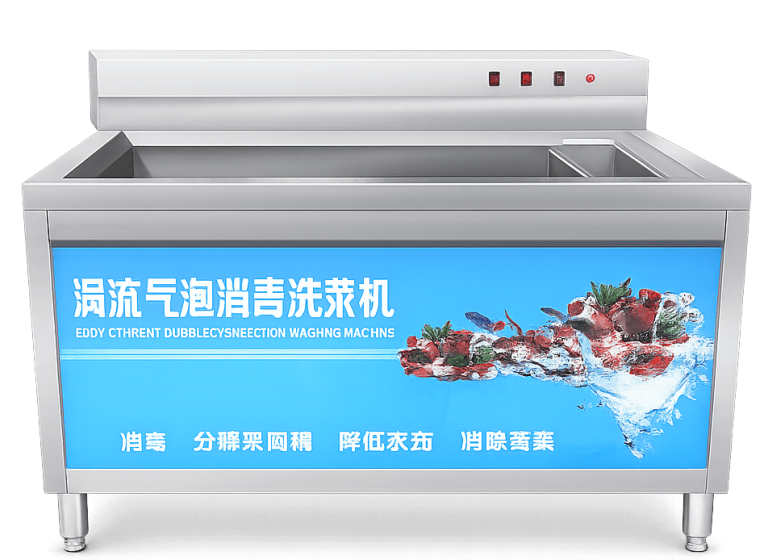
Vegetable Washer
Used to clean fresh herbs, peppers, garlic, celery, onions, and other ingredients before processing.
Benefits:
- Faster cleaning
- Better food safety
- Reduced labor
- Improved consistency
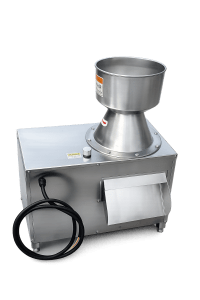
Commercial Grinder or Colloid Mill
The heart of most seasoning operations.
Depending on the desired texture, businesses may choose:
- Grinder for coarse textures
- Colloid mill for smoother products
- Multi-stage processing for premium products
Benefits:
- Consistent texture
- Higher production volumes
- Reduced processing time
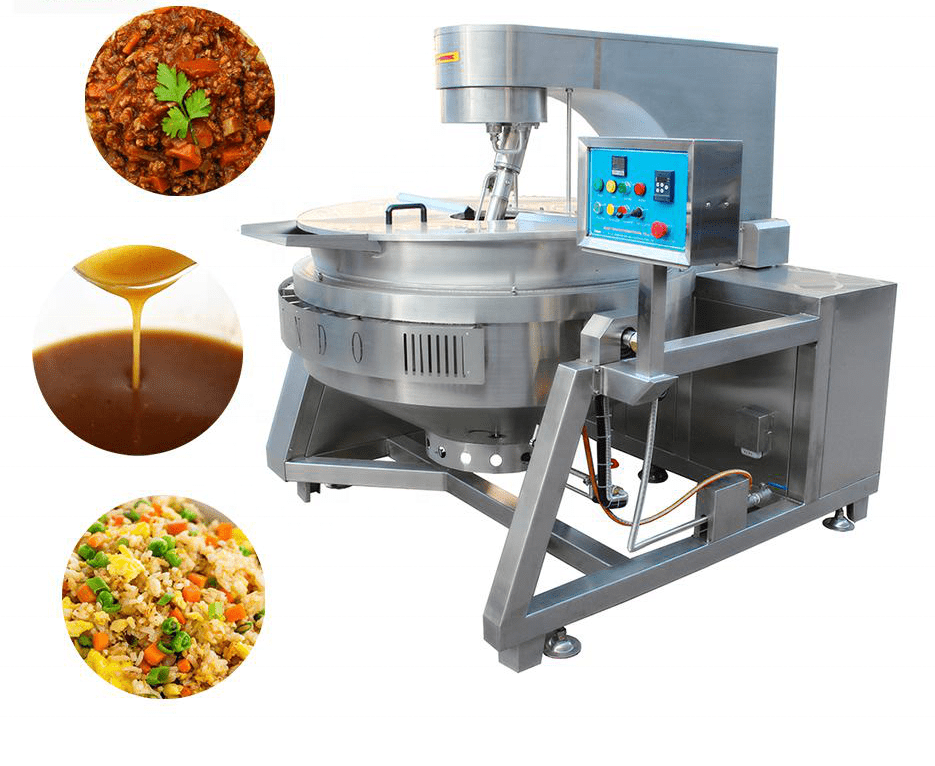
Steam Jacketed Kettle/Mixer
Purpose:
- Cooking
- Pasteurisation
- Ingredient blending
Benefits:
- Uniform heating
- Reduced scorching
- Improved shelf stability
Often considered the core piece of equipment in commercial sauce production.
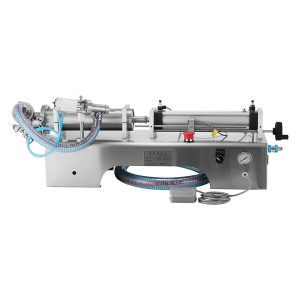
Filling Machine
One of the first upgrades many businesses should consider.
Options include:
- Semi-automatic fillers
- Pneumatic fillers
- Fully automatic filling systems
Benefits:
- Faster bottling
- Reduced product waste
- Improved presentation
Cap Sealing Equipment
Ensures bottles are properly sealed.
Options vary depending on cap style and production volume.
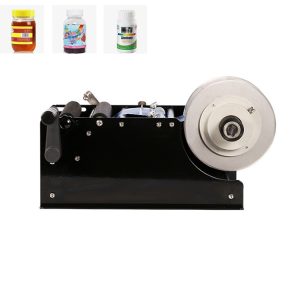
Labelling Machine
Purpose:
- Consistent professional packaging
Benefits:
- Improved appearance
- Faster throughput
- Better retail readiness
Training & Support
Purchasing equipment is only part of the process. Proper setup, operation, and maintenance are critical to achieving consistent results and maximising productivity.
We provide guidance on:
- Equipment selection
- Machine operation
- Production workflow
- Cleaning procedures
- Basic maintenance
- Troubleshooting support
This helps reduce startup challenges and ensures your equipment performs as expected from day one.
Need help selecting the right grinder, kettle, filler, or complete production line?
What to Check Before Buying Equipment
Production Capacity
Ask:
- How many bottles per day do I need today?
- How many bottles per day will I need in 2 years?
Buying solely for current demand often leads to replacing equipment too quickly.
Product Viscosity
Pepper sauces vary significantly.
Some are:
- Thin vinegar-based sauces
- Medium sauces
- Thick mash-style sauces
Equipment must match product consistency.
Cleaning Requirements
Look for:
- Food-grade stainless steel
- Easy disassembly
- CIP-friendly designs where possible
Power Availability
Confirm:
- Single-phase or three-phase power
- Voltage requirements
- Electrical upgrades needed
Spare Parts Availability
A machine that cannot be serviced locally can become a major production risk.
Every pepper sauce recipe is different. The wrong equipment can lead to poor texture, bottlenecks, and unnecessary costs.
Schedule a consultation, and we’ll help determine the right setup based on your recipe, production volume, bottle sizes, and growth plans.
Mistakes to Avoid
Buying Household Equipment for Commercial Production
Many businesses attempt to scale using domestic blenders and mixers.
This usually creates:
- Downtime
- Inconsistent quality
- Higher long-term costs
Overbuying Automation Too Early
A fully automatic line may not make sense if production is still relatively small.
Match automation levels to actual demand.
Ignoring Cleaning Time
Processing capacity means little if cleaning takes hours every day.
Choosing Equipment Based Only on Price
The cheapest equipment often becomes the most expensive when downtime, repairs, and inefficiency are considered.
Underestimating Filling Capacity
Many producers upgrade grinders and kettles but leave filling manual, creating a new bottleneck.
Sample Pepper Sauce Production Setups
Entry-Level Setup
Ideal For:
- Startups
- Farmers’ markets
- Small retail distribution
Equipment:
- Vegetable washer
- Small colloid mill
- 50–100L mixing tank
- 100L steam jacketed kettle
- Manual or semi-automatic filler
- Manual capper
Output:
- 100–500 bottles per day
Investment Focus:
- Product consistency
- Food safety
- Professional packaging
Mid-Level Setup
Ideal For:
- Regional distributors
- Growing brands
Equipment:
- Vegetable washer
- Commercial colloid mill
- 200–300L mixing tank
- 300L steam jacketed kettle
- Semi-automatic filling machine
- Semi-automatic capper
- Semi-automatic labeler
Output:
- 500–3,000 bottles per day
Investment Focus:
- Labor reduction
- Consistency
- Increased throughput
Higher-Capacity Setup
Ideal For:
- Export manufacturers
- Contract production
- Large food processors
Equipment:
- Automated washing system
- High-capacity colloid mill
- Large mixing tanks
- Industrial steam jacketed kettles
- Buffer tanks
- Automatic filling line
- Automatic capping line
- Automatic labeling system
- Conveyors and packaging equipment
Output:
- 3,000+ bottles per day
Investment Focus:
- Maximum efficiency
- Scalability
- Export readiness
Not sure which setup matches your production goals?
Recommended Equipment Roadmap
Most successful Caribbean pepper sauce producers follow this upgrade path:
- Colloid Mill
- Steam Jacketed Kettle
- Filling Machine
- Capping Machine
- Labeling Machine
- Additional Automation
This sequence typically delivers the highest return on investment while minimising production bottlenecks.
Top FAQs About Pepper Sauce Production
Commercial pepper sauce production typically requires a washer, grinder or colloid mill, mixing tank, steam jacketed kettle, filling machine, capping machine, and labelling equipment.
A colloid mill is one of the most popular choices because it produces a smooth, consistent pepper mash while handling peppers, garlic, onions, and seasonings efficiently.
A steam jacketed kettle helps achieve uniform heating, improves food safety, supports pasteurization, and reduces the risk of scorching.
Yes. Many startups begin with a semi-automatic grinder, kettle, filler, and capper before upgrading to fully automated production lines.
A small commercial setup can typically produce between 100 and 500 bottles per day, depending on equipment capacity and bottle size.
Why the Right Equipment Matters?
The right equipment does more than increase production capacity; it improves consistency, food safety, shelf life, and profitability. Whether you’re producing traditional Scotch Bonnet pepper sauce for local supermarkets or preparing for export markets, investing in the correct processing, cooking, filling, and packaging equipment will help create a scalable and sustainable manufacturing operation.
Need Help Choosing Equipment for Pepper Sauce Production?
Our team can help you select the right processing, cooking, filling, capping, and packaging equipment based on your recipe, bottle size, production goals, and budget. Whether you’re starting with a few hundred bottles per day or building a commercial production facility, we can recommend a solution tailored to your operation. Contact us today for expert guidance and equipment recommendations.
Got questions before submitting?
Email: sales@yourequipmentsuppliers.com
Call: 1-868-610-4937
Food production infrastructure and support for small businesses.
We don’t just sell equipment. We help you use it.