Green seasoning is a staple ingredient in Caribbean cooking made from a blend of fresh herbs, vegetables, and spices. While recipes vary by island and producer, common ingredients include chadon beni, celery, pimento peppers, garlic, onions, thyme, and hot peppers.
Used as a marinade, cooking base, and flavor enhancer, green seasoning is found in homes, restaurants, food service operations, and supermarkets throughout the Caribbean. Its popularity and versatility have created growing opportunities for businesses producing bottled green seasoning at both small and commercial scales.
Why Equipment Matters
As demand grows, many seasoning businesses discover that homemade processes are no longer enough to maintain consistency, quality, and production speed.
Tasks such as washing herbs, chopping vegetables, grinding ingredients, mixing batches, and filling bottles can quickly become time-consuming and labor-intensive. The right equipment helps reduce production bottlenecks, improve consistency between batches, increase output, and create a more scalable operation.
Whether you produce a few dozen bottles each week or thousands every month, understanding which equipment fits your production goals can help you avoid costly mistakes and invest with confidence.
This guide covers the key equipment used in seasoning production, common bottlenecks, important buying considerations, and sample equipment setups for different stages of business growth.
Looking for the right equipment for your seasoning production operation?
Pepper sauce manufacturers expanding into seasonings
Food entrepreneurs scaling production
Contract manufacturers
Established food processors upgrading capacity
Whether you produce 20 bottles per week or several thousand per month, the right equipment can significantly improve efficiency and consistency.
Understanding the Green Seasoning Production Process
Most commercial green seasoning production follows these steps:
Ingredient washing
Sorting and inspection
Chopping or pre-cutting
Grinding or blending
Mixing and recipe standardization
Holding and batch preparation
Bottle filling
Capping
Labeling
Packaging
Each stage presents opportunities to improve consistency, efficiency, and output through the right equipment.
Common Production Bottlenecks
Many seasoning producers encounter the same challenges as they grow.
1. Ingredient Preparation Takes Too Long
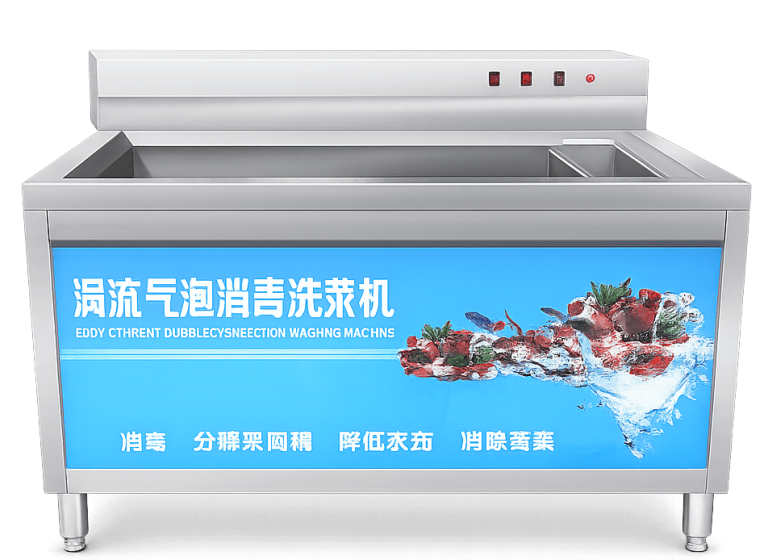
Peppers, chadon beni, celery, pimento, garlic, onions, and other ingredients often require extensive cleaning and preparation. Manual washing and trimming can quickly become a labor bottleneck.
2. Inconsistent Texture
Different batches can vary in thickness, particle size, and appearance when household blenders or food processors are used. Customers notice inconsistency.
3. Slow Filling Process
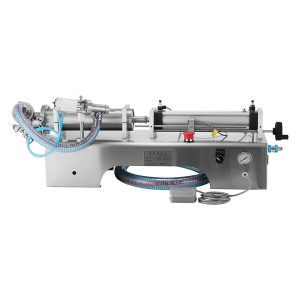
Many businesses can produce seasoning faster than they can bottle it. Manual filling becomes increasingly difficult as order volumes rise.
4. Shelf Life Issues
Improper preparation and inconsistent processing can affect product stability and quality.
5. Excessive Labour Costs
As demand grows, adding more workers to compensate for inefficient processes becomes expensive.
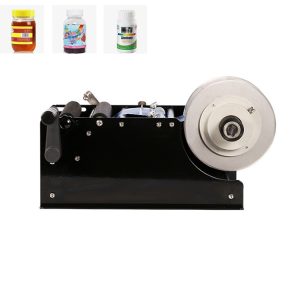
Helps maintain a professional appearance and improve production efficiency.
Particularly valuable when production exceeds several hundred bottles per week.
Training & Support
Purchasing equipment is only part of the process. Proper setup, operation, cleaning, and maintenance are critical to achieving consistent results and maximizing productivity.
We provide guidance on:
Equipment selection
Machine operation
Production workflow
Cleaning procedures
Basic maintenance
Troubleshooting support
This helps reduce startup challenges and ensures your equipment performs as expected from day one.
Need help selecting the right grinder, washer, mill, filler, or complete production line?
1. Using Household Equipment for Commercial Production
This often leads to:
Downtime
Inconsistent quality
Higher long-term costs
2. Buying Based Only on Price
The cheapest equipment often becomes the most expensive when downtime and inefficiency are considered.
3. Overbuying Automation Too Early
Match automation levels to actual demand.
4. Ignoring Cleaning Time
Production speed means little if cleaning takes hours every day.
5. Underestimating Filling Capacity
Many businesses upgrade processing equipment while leaving filling manual, creating a new bottleneck.
Sample Setup Paths
Entry-Level Setup
Ideal for:
New businesses
Market vendors
Small batch producers
Equipment:
Vegetable washer
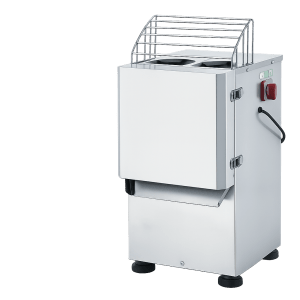
Vegetable cutter
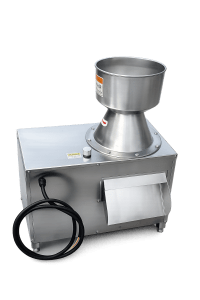
Commercial grinder
Manual filling equipment
Manual capper
Typical production: 50–300 bottles per batch
Mid-Level Setup
Ideal for:
Growing brands
Retail distribution
Multiple outlets
Equipment:
Larger vegetable washer
Vegetable cutter
Commercial grinder or colloid mill
Mixing tank
Semi-automatic filler
Cap sealing machine
Typical production: 300–2,000 bottles per batch
Higher-Capacity Setup
Ideal for:
Manufacturers
Co-packers
Export operations
Equipment:
Industrial washing system
High-capacity cutter
Colloid mill
Stainless steel mixing tanks
Automatic filling system
Automatic capping
Labeling machine
Typical production: 2,000+ bottles per batch
Recommended Equipment Roadmap
Most successful seasoning producers follow this upgrade path:
Commercial Grinder or Colloid Mill
Mixing Tank
Filling Machine
Capping Machine
Labeling Machine
Additional Automation
This sequence typically delivers the highest return on investment while minimizing production bottlenecks.
Top FAQs About Green Seasoning Production
What equipment is needed to make green seasoning?
Commercial pepper sauce production typically requires a washer, grinder or colloid mill, filling machine, capping machine, and labelling equipment.
What is the best grinder for green seasoning production?
A colloid mill is one of the most popular choices because it produces a smooth, consistent pepper mash while handling peppers, garlic, onions, and seasonings efficiently.
Do I need a mixing tank for green seasoning production?
A mixing tank helps achieve uniform texture, consistent batches, and faster processing.
Can I start green seasoning production with semi-automatic equipment?
Yes. Many startups begin with a semi-automatic grinder,washer, filler, and capper before upgrading to fully automated production lines.
How many bottles per day can a small green seasoning operation produce?
A small commercial setup can typically produce between 100 and 500 bottles per day, depending on equipment capacity and bottle size.
Why the Right Equipment Matters
The right equipment does more than increase production capacity. It improves consistency, food safety, shelf life, efficiency, and profitability.
Whether you’re supplying supermarkets, restaurants, food service operations, or export markets, investing in the correct processing, mixing, filling, and packaging equipment can help create a scalable and sustainable manufacturing operation.
Need Help Choosing Equipment for Green Seasoning Production?
Our team can help you select the right processing, grinding, mixing, filling, capping, and packaging equipment based on your recipe, production goals, available space, and budget.
Whether you’re starting with a few hundred bottles per day or planning a commercial production facility, we can recommend a solution tailored to your operation.