

What Is Spice Grinding and Powder Packaging?
Spice grinding is the process of transforming dried agricultural products into consistent powders that can be packaged and sold to consumers, retailers, restaurants, and food manufacturers.
Common products include:
- Turmeric powder
- Curry powder
- Ginger powder
- Garlic powder
- Cinnamon powder
- Nutmeg powder
- Allspice powder
- Cocoa powder
- Dried herb blends
- Custom seasoning mixes
As demand grows, agro-processors often discover that manually grinding, sieving, weighing, and packaging products creates bottlenecks that limit production capacity and consistency.
The right equipment helps improve product quality, reduce labour, increase output, and create a more scalable operation.
This guide covers the key equipment used in spice grinding and powder packaging, common bottlenecks, buying considerations, and recommended equipment setups for different stages of business growth.
Why Equipment Matters
As demand grows, many agro-processors discover that manual grinding and packaging methods are no longer enough to maintain consistency, quality, and production efficiency.
Tasks such as grinding spices, sieving powders, blending formulations, weighing products, and packaging finished goods can quickly become labour-intensive and time-consuming. The right equipment helps improve consistency, increase output, reduce waste, and create a more scalable operation.
Whether you produce a few kilograms per week or several tonnes per month, understanding which equipment fits your production goals can help you avoid costly mistakes and invest with confidence.
This guide covers the key equipment used in spice grinding and powder packaging, common production bottlenecks, important buying considerations, and recommended equipment setups for different stages of business growth.

Looking for the right equipment for your spice processing operation?
Who This Guide Is For
This guide is ideal for:
- Agro-processors producing powdered spices
- Farmers adding value to agricultural crops
- Seasoning manufacturers
- Food entrepreneurs
- Contract packers
- Export-focused food businesses
- Existing processors looking to increase capacity
Whether you package 50 bags per week or several thousand units per month, the right equipment can significantly improve efficiency and consistency.
Understanding the Spice Production Process
Most commercial spice processing operations follow these steps:
- Drying
- Cleaning and sorting
- Grinding
- Sieving
- Blending (if required)
- Weighing
- Filling and packaging
- Sealing
- Labeling
- Cartoning and distribution
Each stage presents opportunities to improve efficiency and reduce waste through proper equipment selection.
Common Production Bottlenecks
Many spice processors encounter similar challenges as production grows.
1. Inconsistent Powder Fineness
Using household grinders often results in:
- Uneven particle sizes
- Product inconsistency
- Customer complaints
- Difficulty maintaining product standards
2. Slow Grinding Speeds
Many businesses can dry spices faster than they can process them. As demand increases, grinding capacity often becomes the primary bottleneck.
3. Excessive Product Loss
Powders can be lost during:
- Grinding
- Transfer between machines
- Packaging
Small losses quickly become high costs at scale.
4. Slow Packaging Operations
Many businesses discover they can produce powder faster than they can package it. Manual weighing and filling often limit daily output.
5. Cross-Contamination Between Products
Switching between spices without proper cleaning procedures can affect flavour, colour, and product quality.
Commercial Spice Grinder
The core machine in most spice processing operations.
Suitable for:
- Turmeric
- Ginger
- Cinnamon
- Garlic
- Dried herbs
- Curry blends
- Cocoa products
Benefits:
- Consistent particle size
- Faster processing
- Improved product quality
- Higher production volumes


Vibratory Sieve Machine
Used after grinding to ensure a consistent powder size.
Benefits:
- Improved product uniformity
- Better packaging appearance
- Reduced customer complaints
- Professional product quality
Ribbon Blender or Powder Mixer
Essential for businesses producing:
- Curry powders
- Seasoning blends
- Spice mixes
- Multi-ingredient formulations
Benefits:
- Uniform mixing
- Consistent flavour profiles
- Better quality control


Vertical Form Fill & Seal Machine
One of the most important upgrades for growing businesses.
Options include:
- Semi-automatic auger fillers
- Digital powder fillers
- Automatic filling systems
Benefits:
- Faster packaging
- Improved accuracy
- Reduced product waste
- Professional presentation
Continuous Band Sealer
Used to seal:
- Stand-up pouches
- Sachets
- Poly bags
- Laminated packaging
Benefits:
- Extended shelf life
- Better product protection
- Professional packaging

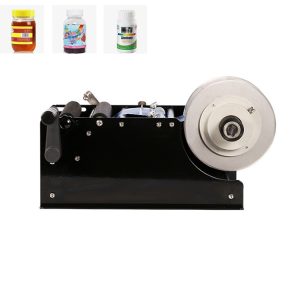
Labelling Machine
Helps maintain a professional appearance and improve production efficiency.
Particularly valuable when production exceeds several hundred bottles per week.
Training & Support
Purchasing equipment is only part of the process.
Proper setup, operation, cleaning, and maintenance are critical to achieving consistent results and maximising productivity.
We provide guidance on:
- Equipment selection
- Production workflow
- Machine operation
- Cleaning procedures
- Maintenance practices
- Troubleshooting support
Need help selecting the right grinder, sieve, mixer, filler, or complete spice processing line?
What to Check Before Buying Equipment
Production Capacity
Ask yourself:
- How much spice am I producing today?
- How much do I expect to produce in two years?
Desired Powder Fineness
Different products require different particle sizes.
For example:
- Curry powder
- Turmeric powder
- Garlic powder
- Cocoa powder
may all require different grinding and screening requirements.
Product Moisture Content
Grinding performance depends heavily on how well products are dried.
Poor drying can result in:
- Clogging
- Reduced throughput
- Lower product quality
Cleaning Requirements
Look for:
- Food-grade stainless steel construction
- Easy access for cleaning
- Minimal product retention areas
Power Availability
Confirm:
- Voltage requirements
- Single-phase or three-phase power
- Available utilities
Spare Parts & Service
Reliable support and spare parts availability are essential for minimizing downtime.

Every spice product is different. The wrong equipment can create unnecessary bottlenecks, reduce product quality, and increase operating costs.
Schedule a consultation, and we’ll help determine the right setup based on your recipe, production volume, bottle sizes, and growth plans.
Mistakes to Avoid
1. Grinding Products That Are Not Properly Dried
This can cause:
- Machine blockages
- Poor powder quality
- Increased maintenance
2. Buying Based Only on Price
Low-cost equipment often leads to:
- More downtime
- Lower productivity
- Higher long-term costs
3. Ignoring Packaging Capacity
Many businesses upgrade grinding equipment while continuing to package products manually.
The bottleneck simply moves downstream.
4. Overbuying Automation Too Early
Match equipment investment to actual production requirements.
5. Underestimating Cleaning Time
Frequent product changeovers require efficient cleaning procedures.
Sample Setup Paths
Entry-Level Setup
Ideal For:
- Start-up agro-processors
- Farmers adding value to crops
- Small-batch spice producers
Equipment:
- Small spice grinder
- Basic sieve
- Digital scale
- Manual filling tools
- Heat sealer
Typical Production:
25–100 kg per batch


Mid-Level Setup
Ideal For:
- Growing brands
- Retail distribution
- Multiple product lines
Equipment:
- Commercial spice grinder
- Vibratory sieve
- Ribbon blender
- Semi-automatic powder filler
- Continuous band sealer
Typical Production:
100–500 kg per batch
Higher-Capacity Setup
Ideal For:
- Manufacturers
- Contract packers
- Export-focused operations
Equipment:
- Industrial grinding system
- Automated sieving system
- Large ribbon blender
- Automatic powder filling machine
- Automatic sealing system
- Labelling machine
Typical Production:
500 kg+ per batch

Recommended Equipment Roadmap
Most successful agro-processors follow this upgrade path:
- Commercial Spice Grinder
- Vibratory Sieve
- Ribbon Blender
- Semi-Automatic Powder Filler
- Sealing Equipment
- Labeling Equipment
- Additional Automation
This sequence typically delivers the highest return on investment while minimizing production bottlenecks.
Top Ten FAQs About Spice Grinding and Powder Packaging
The basic equipment needed to start a spice grinding business includes a spice grinder, sieve, weighing scale, filling tools, and a heat sealer. As production grows, many businesses add mixers, semi-automatic filling machines, and labelling equipment to improve efficiency and consistency.
The best grinder depends on the product, desired powder fineness, and production volume. For most agro-processors, a commercial spice grinder or pulveriser is suitable for producing turmeric, ginger, garlic, and other spice powders. Higher-capacity operations may require industrial grinding systems for increased output and consistency.
Yes. A sieve helps create a more uniform particle size, improving product consistency, appearance, and customer satisfaction. It also removes larger particles that may not have been fully ground during processing.
Absolutely. Many successful spice businesses begin with semi-automatic filling and sealing equipment. This approach provides faster production and better accuracy than manual packaging while keeping initial investment costs manageable.
Production capacity varies based on the type of spice, drying process, equipment used, and labour available. A small operation with a commercial grinder can often produce anywhere from 25 to 100 kilograms of finished spice powder per batch, with daily output increasing as equipment and processes are upgraded.
Why the Right Equipment Matters
The right equipment does more than increase production capacity.
It improves:
- Product consistency
- Packaging accuracy
- Food safety
- Shelf life
- Efficiency
- Profitability
Whether you’re supplying supermarkets, wholesalers, restaurants, distributors, or export markets, investing in the right grinding and packaging equipment can help build a scalable and sustainable agro-processing business.
Need Help Choosing Equipment for Spice Grinding and Powder Packaging?
Our team can help you select the right grinding, sieving, blending, filling, sealing, and packaging equipment based on your products, production goals, available space, and budget.
Whether you’re processing 50 kg per week or several tonnes per month, we can recommend a solution tailored to your operation.
Got questions before submitting?
Email: sales@yourequipmentsuppliers.com
Call: 1-868-610-4937
Food production infrastructure and support for small businesses.
We don’t just sell equipment. We help you use it.