


Choosing the right equipment is a critical decision that can significantly impact a business’s success. The equipment you choose not only affects the efficiency and quality of your production processes but also plays a crucial role in determining your company’s long-term competitiveness.
According to a study by Deloitte, 87% of manufacturers believe that adopting advanced manufacturing technologies, including the right equipment, is essential for staying competitive in the market..
Making informed decisions when selecting equipment can lead to numerous benefits, including increased productivity, cost savings, improved efficiency, and sustainable growth. For instance, businesses that invest in the right manufacturing technologies experience a 10-30% improvement in productivity, as reported by the Manufacturing Institute.
Choosing the right equipment isn’t just a one-time decision—it’s an investment in your company’s future. Making smart choices now can lead to big wins down the road: smoother operations, lower costs, and a business that’s ready to grow.
That’s where this guide comes in. We’ll break down everything you need to know about picking the perfect equipment for your needs. We’ll cover what to think about, how to make the decision, and even some insider tips to help you get the best deal.
No matter the size of your business, this guide is for you. Whether you’re fine-tuning your current setup or gearing up for something bigger, we’ll help you make choices that boost your efficiency, your profits, and your overall success.
Ready to see how the right tools can take your business to the next level?
Let’s get started!
Understanding Your Business Needs Before Buying Equipment
Before diving into the world of equipment options, it’s crucial to take a step back and assess where your business stands today and where you want to go in the future. Let’s break it down into two key areas:
Taking Stock: Where Are You Now?
Think of this as a health check for your production processes. What’s working well? Where are the hiccups and slowdowns? Are there any parts of your operation that feel like they’re holding you back? Pinpointing these challenges and bottlenecks will help you zero in on the areas where new equipment can make the biggest difference.
Imagine you run a bakery where dough is divided by hand, resulting in inconsistent portion sizes and wasted time.Identifying these pain points is the first step towards finding equipment solutions that can truly make a difference.
Setting Your Sights: Where Are You Headed?
Choosing equipment isn’t just about fixing today’s problems; it’s about setting yourself up for success tomorrow. What are your business goals? Are you looking to ramp up production, introduce new products, or expand into new markets? Understanding your objectives will ensure that the equipment you choose supports your vision for the future. Keep in mind factors like how much you need to produce, what kinds of products you’ll be making, and whether you anticipate any major changes in your market.
Let’s say your bakery is doing well, and you’re dreaming of opening a second location. That means you’ll need equipment that can handle a much higher production volume. Or perhaps your bakery is planning to introduce a new line of artisan breads that require precise dough portioning. This would necessitate investing in a dough divider that offers accuracy and consistency.
Remember, choosing the right equipment isn’t just about solving today’s problems. It’s about creating a foundation for future success. By understanding your current needs and future aspirations, you can make informed decisions that will benefit your business for years to come.
What are the Key Considerations for Strategic Equipment Selection?
Now that you have a clear understanding of your business needs and goals, let’s delve deeper into the specific factors you should consider when selecting manufacturing equipment. Remember, it’s not just about finding a machine that does the job – it’s about finding the right machine that fits seamlessly into your operation and supports your long-term success.
Budget and Financing: Let’s face it, equipment investments can be significant. It’s crucial to establish a realistic budget and explore financing options that align with your financial capabilities.
For instance, a small bakery might opt for a leased dough mixer to manage upfront costs, while a larger manufacturer might secure a loan for a high-capacity CNC machine. Don’t forget to factor in the total cost of ownership, including installation, maintenance, and potential upgrades.
Space and Layout: Consider the physical footprint of the equipment and how it will fit into your existing workspace.
A compact tabletop dough roller might be ideal for a cramped kitchen, whereas a sprawling assembly line would necessitate a spacious factory floor. Will you need to reconfigure your layout or make modifications to accommodate the new machine?
Technology, Automation and Training: Evaluate the level of technology and automation that best suits your needs.
A small-batch coffee roaster might benefit from a semi-automated machine with precise temperature control, while a large-scale beverage manufacturer might require fully automated bottling and labeling systems.
While advanced features can boost productivity and efficiency, they also come with a higher price tag and may require specialized training.
Maintenance and Support: Think about the long-term maintenance requirements of the equipment.
A simple manual meat grinder might only need occasional cleaning and blade sharpening, whereas a complex industrial robot could require regular servicing and software updates.
How often will it need servicing? Are spare parts readily available? Does the supplier offer reliable technical support?
Safety Considerations: Prioritize the safety of your employees by choosing equipment that meets or exceeds industry safety standards.
Look for features like emergency stop buttons on power saws, guards on industrial mixers, and clear safety instructions on chemical handling equipment.
Environmental Impact: Consider the environmental footprint of the equipment. Choose energy-efficient ovens or machines that minimize waste and emissions.
For instance, a printing press that utilizes soy-based inks would be a more eco-conscious choice. Opting for eco-friendly equipment can help you reduce your environmental impact and potentially save on energy costs.
Future Growth and Scalability: Don’t just focus on your current needs. Choose equipment that can grow and adapt with your business.
A modular packaging system can be expanded as your product line grows, while a CNC machine with upgradeable software allows you to stay ahead of technological advancements.
Can it handle increased production volumes? Is it compatible with future technology upgrades?
By carefully considering these factors, you can make well-informed decisions that will not only address your immediate needs but also position your business for continued growth and success in the years to come.
How Can You Make the Right Choice in the Equipment Selection Process?
Once you’ve thoroughly assessed your business needs and considered the key factors, it’s time to embark on the equipment selection process itself. This journey involves careful planning and research to ensure you make the best possible decision for your business.
Define Your Requirements
Start by creating a detailed list of your requirements. What specific tasks do you need the equipment to perform? What level of precision and output do you require? What features are essential, and which ones are nice-to-haves?
For instance, If you’re looking for a universal grinder, specify the types of materials you’ll be grinding, the desired surface finish, and the required tolerances. Do you need a machine capable of both internal and external grinding?
Research and Compare Options
With your requirements in hand, start exploring the available options. Utilize online resources, industry publications, and trade shows to gather information about different models and brands. Pay close attention to specifications, features, and user reviews.
For instance, Compare different universal grinder models based on their grinding capacity, wheel size, spindle speed, and automation features. Consider brands known for precision and durability.
Consult with Experts and Suppliers
Reach out to industry experts, equipment suppliers, and other manufacturers for insights and recommendations. They can provide valuable information about specific models, their suitability for your needs, and potential pitfalls to avoid.
For instance,Consult with experienced machinists or grinding specialists to get their opinions on different grinder models and brands. Discuss your specific requirements and seek their advice on the best fit for your application.
Conduct Trials or Demos if Possible
Whenever possible, arrange for trials or demonstrations of the equipment you’re considering. This allows you to see the machine in action, test its capabilities, and evaluate its user-friendliness.
For instance,If feasible, request a demonstration of the grinder on a similar workpiece to assess its performance and precision. Pay attention to the ease of setup, operation, and maintenance.
Negotiate Terms and Finalize the Purchase
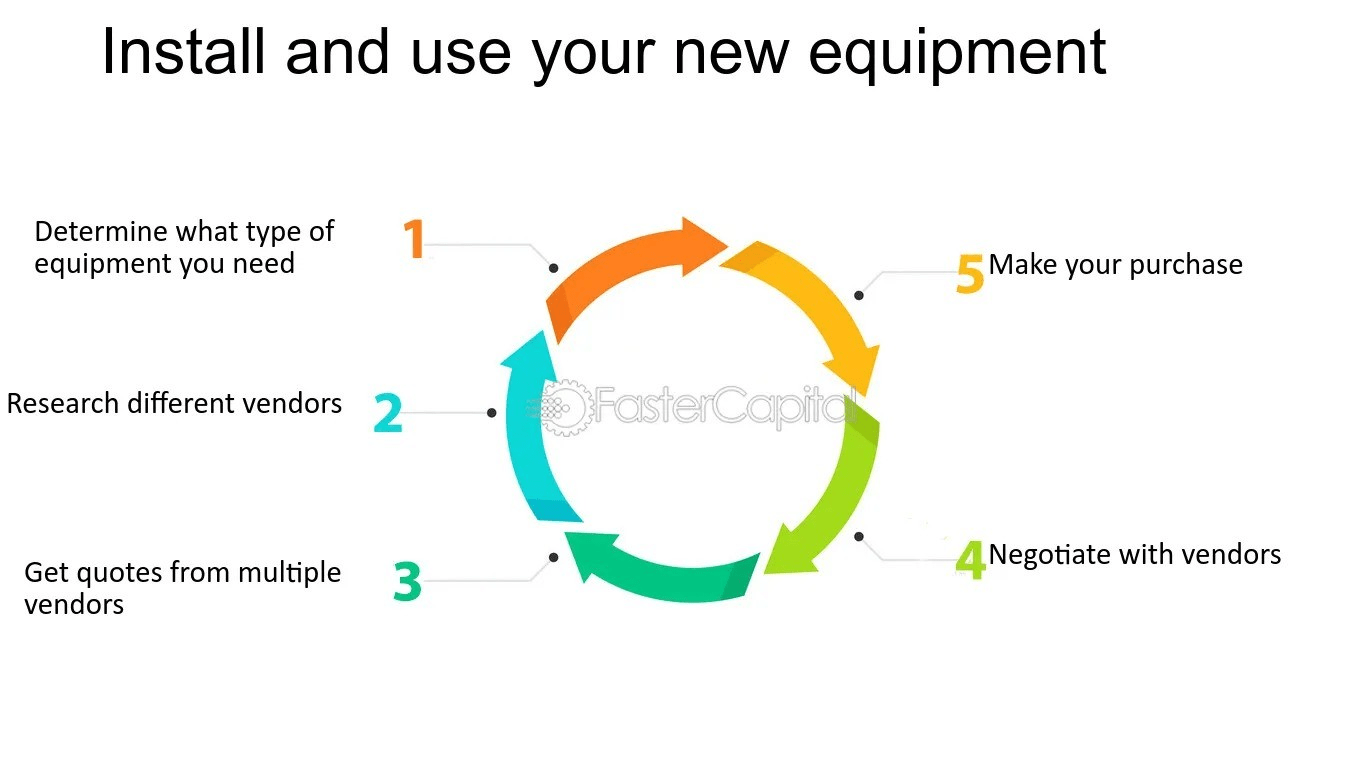
Once you’ve narrowed down your options, it’s time to negotiate the terms of the purchase. Discuss pricing, warranties, delivery timelines, and after-sales support.
For instance,Don’t hesitate to negotiate on price, especially if you’re making a significant investment. Inquire about extended warranties, training programs, and ongoing maintenance plans.
By following these steps and conducting thorough research, you can confidently select the equipment that best aligns with your business needs and sets you up for success.
Practical Tips for Evaluating Equipment Options: Making the Right Choice
Choosing the perfect equipment goes beyond just comparing features and prices. It’s about ensuring a seamless fit with your operations and long-term goals. These practical tips will guide you through the evaluation process, empowering you to make informed decisions.
Researching Equipment Suppliers
When choosing a supplier, think of it like picking a teammate for a project. You want someone reliable, who delivers quality work, and is easy to communicate with. Check out their online reviews and what others in your industry are saying about them. Remember, the cheapest option isn’t always the best.
Think about the long-term costs – like maintenance and potential repairs – not just the initial price. And just like a good teammate, you want a supplier who’s got your back. Make sure they offer solid warranties, training, and support, so you’re not left hanging if something goes wrong.
Actionable Steps
Seek Recommendations: Ask other manufacturers in your industry for recommendations on reliable suppliers.
Check References: Contact the supplier’s existing customers to inquire about their experiences.
Read Online Reviews: Search for online reviews and ratings on platforms like Google, Yelp, and industry-specific websites.
Comparing Equipment Features and Specifications
Think of this like creating a shopping list for your dream kitchen. You wouldn’t just grab any appliance, right? You’d make a list of what you need – a powerful blender for smoothies, a spacious oven for baking, and so on. The same goes for equipment. Make a list of the must-have features based on what you’re making and how you work.
Next, figure out your “non-negotiables.” Maybe precision is paramount, or perhaps easy cleaning is a top priority. These are the features you won’t compromise on.
Lastly, don’t forget to think ahead. Your business might grow, or you might want to try new things. So, look for equipment that can adapt and grow with you. It’s like buying clothes a size up for a growing kid – you want them to last!
Actionable Steps
Develop a Feature Comparison Chart: Create a chart to compare the features and specifications of different models side-by-side.
Consult Technical Data Sheets: Review technical data sheets provided by manufacturers for detailed information on performance, capacity, and other specifications.
Testing and Demonstrations
Before you commit, it’s like taking a car for a test drive. You wouldn’t buy a car without seeing how it handles on the road, right? Same goes for equipment. Whenever you can, ask for a demo or even a trial run. This lets you see how the machine performs, if it’s easy to use, and whether it’s a good fit for what you’re making.
If possible, bring along your own materials. This is like test-driving that car on the roads you’ll actually be using it on, not just a smooth highway. See how the equipment handles your specific stuff.
And don’t be shy! Pay close attention to everything – how it sounds, how safe it feels, and anything else you’re curious about. Ask lots of questions about upkeep, fixing problems, and training. It’s better to be informed now than surprised later!
Actionable Steps
Schedule a Demo: Contact suppliers and arrange for demos at their facility or your own.
Prepare a Test Plan: Develop a test plan outlining the specific tasks and scenarios you want to evaluate during the demo.
Involve Key Personnel: Invite your production team, maintenance staff, and other relevant personnel to participate in the demo and provide their feedback.
Making the Final Decision: How to Secure the Best Equipment Deal
You’ve done your research, weighed the pros and cons, and you’re almost ready to make your purchase. But before you sign on the dotted line, let’s explore a few more critical aspects of the final decision-making process.
Balancing Quality and Cost: Finding the Sweet Spot
Striking the right balance between quality and cost is crucial. While high-quality equipment might come with a higher price tag, it often translates to improved reliability, reduced downtime, and enhanced productivity, ultimately saving you money in the long run.
On the other hand, opting for the cheapest option might lead to frequent repairs, replacements, and production delays, negating any initial savings. It’s essential to prioritize essential features and functionality over unnecessary bells and whistles, ensuring that the equipment meets your core requirements without breaking the bank.
Negotiating with Suppliers: Getting the Best Deal
Negotiation is a key part of the purchasing process. Remember, you’re not just buying a machine, you’re establishing a business relationship. Be prepared with market research, know the value of the equipment, and don’t hesitate to negotiate on price, warranties, and service agreements.
Building a strong rapport with your supplier can lead to better terms, priority service, and potential future discounts. A win-win outcome benefits both parties and fosters a long-term partnership.
Final Checklist Before Purchase
Before finalizing your purchase, take a moment to review all the critical aspects. Double-check that the equipment meets your requirements, aligns with your business goals, and has positive reviews from other users. Verify compatibility with your existing systems to avoid any integration issues.
Consider your future needs and ensure the equipment can scale with your business. Finally, ensure all agreements, including price, warranties, and delivery terms, are clearly documented to avoid misunderstandings down the line.
Now you can learn Manufacturing Business Ideas to Start a Business With Low Investment.
Wrapping Up
Choosing the right equipment for your manufacturing business is a journey, not a sprint. It requires a strategic approach, careful consideration of your unique needs, and a thorough evaluation of available options. By understanding your business goals, assessing your current processes, and weighing key factors like budget, technology, and scalability, you can make informed decisions that will empower your operations and drive long-term success.
Remember, the equipment you choose today will shape your manufacturing capabilities for years to come. Don’t rush the process, and don’t be afraid to ask for help from experts and suppliers. By taking a proactive and strategic approach, you can invest in equipment that not only meets your current needs but also positions your business for continued growth and innovation.
Remember: The right equipment is not just a purchase; it’s a strategic investment in your company’s future. Take the time to evaluate your options carefully, and don’t hesitate to explore our product range to discover the perfect solutions for your manufacturing needs.


