

Packaging That Protects Your Product And The Planet
In today’s rapidly evolving business landscape, the conversation around sustainability is no longer just a niche concern; it’s a mainstream expectation. Consumers are increasingly environmentally conscious, regulators are tightening their grip, and businesses are recognizing that responsible practices are not just good for the planet but also for their bottom line. Within this shift, one area stands out as both a challenge and a massive opportunity: packaging.
For too long, packaging has been viewed as a mere necessity, a functional layer to protect products. But what if your packaging could do more? What if it could enhance your brand’s reputation, appeal to a growing segment of ethical consumers, and even streamline your operations? Choosing sustainable packaging isn’t just a trend; it’s a strategic imperative. It’s about moving “beyond the box” of conventional thinking to embrace solutions that reduce environmental impact while supporting your business growth.
At YES Your Everything Suppliers, we understand the complexities of sourcing and implementing eco-friendly solutions. This guide aims to demystify sustainable packaging, providing you with the insights and options you need to make informed choices that benefit both your business and the world we share.
Why Go Sustainable? The Unpacked Benefits for Your Business
Embracing sustainable packaging offers a compelling array of advantages:
- Enhanced Brand Image & Consumer Loyalty: Modern consumers actively seek out brands that align with their values. Opting for sustainable packaging signals your commitment to environmental responsibility, builds trust, and fosters stronger loyalty among eco-conscious customers. This can be a significant differentiator in a crowded market.
- Environmental Impact Reduction: This is the most obvious benefit. Sustainable packaging helps reduce waste in landfills, conserve natural resources, lower carbon emissions, and minimize pollution. It’s a tangible way your business can contribute to a healthier planet.
- Potential Cost Savings (Long-Term): While the initial investment in sustainable materials may be higher, long-term savings can stem from reduced material use, lighter shipping weights (lowering transportation costs), and even tax incentives or rebates for eco-friendly practices. Plus, the intangible benefits of brand reputation often outweigh direct material costs.
- Regulatory Compliance & Future-Proofing: Governments worldwide are introducing stricter regulations on single-use plastics and packaging waste. By proactively adopting sustainable alternatives, your business stays ahead of potential mandates, avoids future penalties, and positions itself as a leader rather than a laggard.
- Attracting Talent: Employees, especially younger generations, are increasingly seeking to work for companies with strong ethical and sustainable values. A visible commitment to sustainability, starting with your packaging, can make your business a more attractive employer.
- Innovation & Differentiation: The journey to sustainable packaging often sparks innovation within your product design and supply chain, leading to unique solutions that set you apart from competitors.
Understanding Sustainable Packaging Categories: Your Selection Guide
The term “sustainable packaging” is broad, encompassing various approaches and materials. Here’s a breakdown of the main categories to help you navigate your options:
1. Recycled Content Packaging
- What it is – Packaging made, in part or entirely, from materials that have been collected and reprocessed after consumer use (post-consumer recycled, or PCR) or from industrial waste (pre-consumer recycled, or PIR).
- Benefits – Reduces the demand for virgin raw materials, diverts waste from landfills, and often requires less energy to produce than virgin materials.
- Common Materials
- Recycled Cardboard/Paperboard (Ideal for boxes, cartons, and inserts. Strong, versatile, and widely accepted in recycling streams).
- Recycled Plastics (rPET, rHDPE, rPP) (Used for bottles, containers, films, and trays. Common in beverage bottles (rPET) and detergent bottles (rHDPE).
- Considerations – Availability of high-quality recycled content can vary. PCR content is often preferred by consumers over PIR.
2. Recyclable Packaging
- What it is – Packaging that, after use, can be collected, processed, and converted into new materials or products.
- Benefits – Keeps materials in circulation, reducing the need for virgin resources and minimizing waste.
- Common Materials – Glass, aluminum, certain plastics (like PET, HDPE), and paper/cardboard.
- Considerations – Recyclability depends heavily on local infrastructure. A material might be technically recyclable but not practically so in all areas due to sorting capabilities or market demand for the recycled material. Clear labeling for consumers is crucial.
3. Compostable & Biodegradable Packaging
- What it is:
- Compostable – Materials that break down into natural elements (like water, CO2, biomass) under specific composting conditions, leaving no toxic residue. This can be industrial (requiring high heat and specific microbial environments) or home compostable.
- Biodegradable – Materials that break down naturally by biological processes. This term is broader than “compostable” and can be misleading, as something might biodegrade over hundreds of years in certain conditions, or leave harmful residues. “Compostable” is generally the preferred term for clarity.
- Benefits – Reduces landfill waste, can enrich soil (compostable), offers an end-of-life solution where recycling isn’t feasible (e.g., food-soiled packaging).
- Common Materials:
- PLA (Polylactic Acid) – A plant-based plastic often derived from corn starch. Used for clear cups, deli containers, and films. Requires industrial composting.
- Bagasse – Made from sugarcane pulp, a byproduct of sugar production. Used for food service containers, plates, and bowls. Often home compostable or industrially compostable.
- PHA (Polyhydroxyalkanoates) – A more advanced bioplastic, often marine biodegradable. Still emerging in widespread use.
- Considerations – Requires proper composting infrastructure, which is not universally available. Mis-sorting can contaminate recycling streams. Clear consumer communication on how to dispose of it is vital.
4. Reusable & Refillable Packaging
- What it is – Packaging designed to be used multiple times for the same or different purposes, either by the consumer refilling it or by the company collecting, cleaning, and refilling it.
- Benefits – Represents the pinnacle of circular economy principles by keeping materials in use for as long as possible, drastically reducing waste. Can build strong customer loyalty.
- Common Examples – Glass bottles for beverages, durable plastic containers for household goods, metal tins, and industrial totes.
- Considerations – Requires robust return/refill systems, consumer buy-in, and sanitation processes. Initial material cost can be higher.
5. Reduced & Optimized Packaging
- What it is – Focusing on minimizing the amount of packaging material used, optimizing design to reduce empty space (e.g., right-sizing), and eliminating unnecessary layers.
- Benefits – Directly reduces material consumption, often lowers production costs, and decreases shipping weight/volume, leading to lower transportation emissions and costs.
- Considerations – Must still ensure product protection. Creative design is essential.
6. Plant-Based & Bio-Based Materials
- What it is – Packaging made from renewable biological resources (like corn, sugarcane, algae, cellulose) rather than fossil fuels. These can be compostable, recyclable, or reusable depending on the specific material.
- Benefits – Reduces reliance on finite fossil resources.
- Considerations – Sustainability depends on how the raw materials are grown (e.g., land use, water consumption, pesticides).
Key Considerations When Selecting Your Sustainable Packaging
Choosing the right sustainable packaging is not a one-size-fits-all decision. Consider these factors:
- Product Compatibility: Does the packaging protect your product adequately from damage, contamination, and spoilage? Does it react negatively with the product (e.g., acidity with certain bioplastics)?
- Supply Chain & Logistics: How will the new packaging impact sourcing, manufacturing, storage, and transportation? Are suppliers readily available? Can it withstand shipping demands? Lighter packaging often leads to lower shipping costs.
- End-of-Life Infrastructure: Is there robust local or regional infrastructure for recycling or composting the chosen material? Packaging that is technically recyclable but not practically so in your target market creates confusion and ultimately ends up in a landfill.
- Cost vs. Value: Evaluate not just the material cost, but the total cost of ownership, including shipping, potential waste disposal fees, and the added value to your brand image.
- Consumer Communication: How will you educate your customers on proper disposal? Clear labeling (e.g., “Compostable,” “Recycle Me”) is essential to ensure the packaging fulfills its sustainable potential.
- Regulatory Compliance: Stay informed about local, national, and international packaging regulations that may impact your choices.
Case Studies – Real-World Sustainability in Action
Here are a few hypothetical, yet realistic, examples of how businesses are successfully incorporating sustainable packaging
The Fresh Start Eatery (Local Food Service)
- Challenge – A bustling local eatery was struggling with significant food waste due to spoilage, impacting both their bottom line and their environmental footprint.
- Solution (with YES) – They invested in the Krymac 602 Semi Automatic Small Vacuum Sealer With Roll Holder and Vacuum Seal Packaging Rolls and Bags from YES. This allowed them to efficiently preserve raw ingredients, prepped meals, and even leftovers, significantly extending their shelf life.
- Result – The eatery saw a dramatic 30% reduction in food waste, leading to substantial cost savings on inventory. Their commitment to waste reduction resonated with customers, enhancing their brand as an environmentally responsible choice.
Artisan Aromas & Herbs (E-commerce Retailer)
- Challenge – An online seller of premium, handcrafted spice blends and dried herbs wanted their product packaging to reflect their commitment to natural ingredients and sustainability, moving away from single-use plastic pouches.
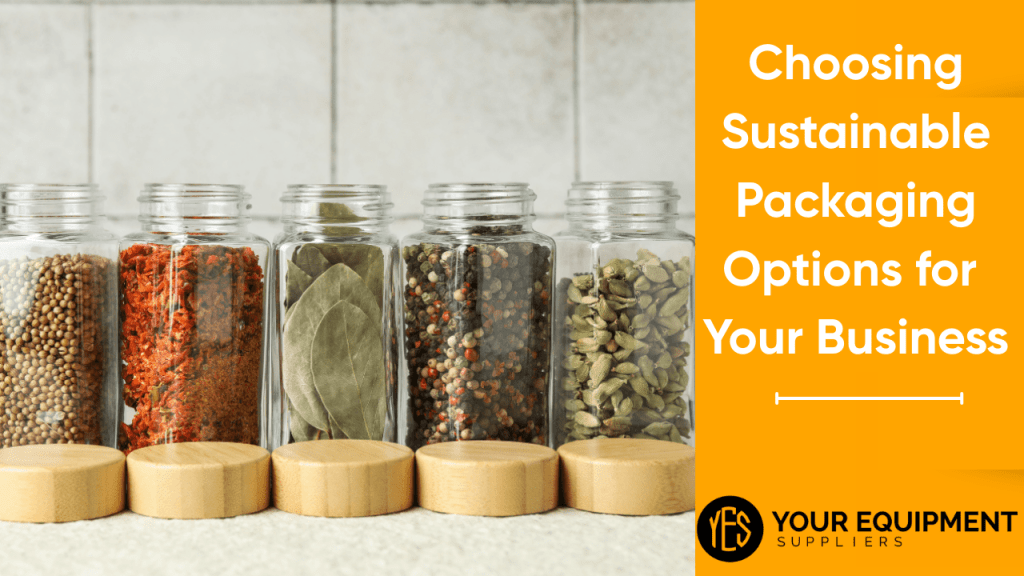
- Solution (with YES) – They transitioned to Glass Spice Jars (1000/pcs) and Hexagonal Glass Jars (1000/pcs) supplied by YES for their product lines. These high-quality glass jars are not only aesthetically pleasing but are also endlessly recyclable and can be easily refilled or repurposed by their customers.
- Result – The switch led to a 25% increase in customer satisfaction, with many positive reviews highlighting their eco-friendly packaging. It elevated their brand’s perceived value and solidified their position as a sustainable and premium provider.
Component Solutions Ltd.” (Manufacturing & Assembly)
-
- Challenge – A manufacturer of electronic components needed a durable and reusable solution for transporting small, delicate parts between assembly stations within their facility, reducing their reliance on cardboard boxes that frequently wore out.
- Solution (with YES) – They adopted the Heavy-Duty Plastic Egg Crate Tray (1000) from YES, adapting its robust design for safe and organized internal transport of their components. These trays are designed for repeated use and easy cleaning.
- Result – The company achieved a 40% reduction in packaging waste generated from internal logistics, leading to significant cost savings on procurement and disposal. The trays’ durability also improved efficiency by minimizing product damage during transit.
Explore Sustainable Options with YES Your Everything Suppliers
At YES, we’re committed to helping your business navigate the path to greater sustainability. We offer a comprehensive range of packaging solutions designed to meet diverse needs, whether you’re a small local café or a large industrial operation.
From biodegradable food containers that compost cleanly to recycled content boxes that speak to your environmental commitment, and reusable industrial solutions that optimize your supply chain – we have the expertise and the products.
Ready to make a positive impact with your packaging?
Explore Sustainable Options
Link to YES’s Main Sustainable Packaging Solutions Page]
Link to YES’s Biodegradable Food Containers] [
Link to YES’s Recycled Content Packaging] [
Link to YES’s Reusable Industrial Packaging]


