

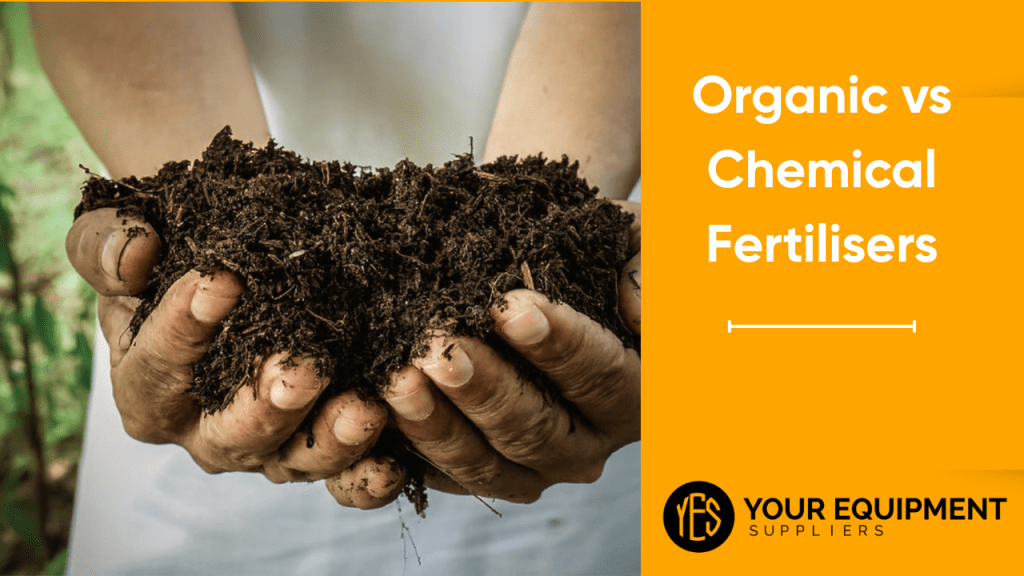
At this point in human history, every one pretty much everyone knows about the importance of agriculture to society. We all need food to survive, and in some lands, a large amount of finances has been invested in the agriculture sector. Farmers put in a lot of work to grow the food we eat. Plants draw a lot of water and nutrients from the soil that they’re planted in. If none of the nutrients are replaced, then this can have disastrous effects for crops that are planted later on. This is where fertilisers come in.
Not all soils are suitable for growing crops. Ideal soils for agriculture are balanced in contributions from mineral components, air, and water. The balanced contributions of these components allow for water retention and drainage, oxygen in the root zone, nutrients to facilitate crop growth, and they provide physical support for plants. In the event that soil for the intention of agriculture does not possess all of the desired properties for planting, then fertilisers can be used to improve the quality of the soil.
Fertilisers are anything that puts nutrients into the earth and helps plants grow. They can come in a variety of forms, but the two main types are Organic and Chemical. There are both pros and cons when it comes to the two types, and it’s up to you, the individual, to know and choose what is best for you, your crops and the environment.
Chemical Fertilisers
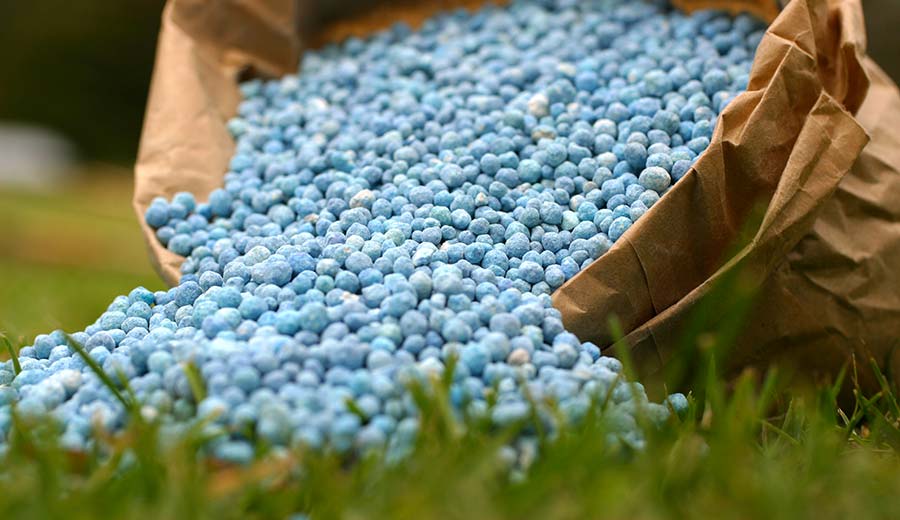
Chemical fertilizers, also known as artificial fertilisers, are made from refined fertilizer substances along with chemical fillers. Ammonium sulphate, ammonium phosphate, ammonium nitrate, urea, and ammonium chloride are just a few of the many different types of chemical fertilisers.
Some growers prefer chemical fertilisers because these products are a rich source of 3 important chemicals: nitrogen, phosphorus, and potassium. However, there is a drawback. Chemical fertilizers do contain toxic compounds and acids that could affect plant growth and the soil itself. There are many debates on whether the use of chemical fertilisers should be banned or discontinued because of some of the side effects associated with them. Still, the use of inorganic fertilisers persist for the obvious reason of their benefits. Here are three reasons why people choose to use chemical fertilisers.
Pros
Affordable
The price is one of the reasons why some growers prefer chemical fertilisers to organic fertilizers; synthetic fertilizers are cheap. Apart from being affordable, chemical fertilizers are also more accessible. They can be purchased at garden stores, hardware stores, grocery stores, etc.
Fast Results
Another reason people go for synthetic fertilizers is due to the quick turnaround on results. You don’t have to wait for weeks or months before you can see the results once you’ve applied chemical fertilizers to the soil. You will see the improvements in your plants within days. Chemical fertilizers release nutrients at a much faster rate compared to organic fertilisers.
Standard Labeling
Chemical fertilisers are also more specific in their use. When compared to organic fertilizers, which do not always give specific directions on the amount to be used, chemical fertilizers generally give directions on how to handle and the quantity to be used accordingly. This can be a great help to farmers in general.
On the flip side, there are cons, downsides to using non-organic fertilizers. Here are a couple.
Cons
Not Eco-Friendly
Chemical fertilisers tend to not be eco-friendly at all. For one thing, it’s made from petroleum products, which are not sustainable. In addition, chemical fertiliser can leach into water sources, causing water pollution. Manufacturing chemical fertilizer consumes enormous amounts of energy, too.
Doesn’t Improve Soil Structure
While chemical fertilisers support plant growth, they do nothing when it comes to improving the soil structure and quality. Chemical fertilisers won’t enhance the soil’s health or support the life within the soil itself. Frequent use over time can do irreparable damage.
Frequent Application and Over-Fertilisation
Because chemical fertilizers release their nutrients quickly, it is possible to over-fertilize plants. Over-fertilization can kill plant life and upset the garden’s entire ecosystem!
Toxic Buildup
Chemical fertilisers aren’t recommended for repeated applications and long-term use. These products could cause the buildup of dangerous chemicals, including arsenic, cadmium, and uranium. In addition, long-term use of chemical fertilizers may alter the soil’s pH permanently, contributing to the release of greenhouse gases and killing off entire microbial ecosystems.
Now that we’ve learned a bit about synthetic or chemical fertilisers, let’s look at organic. Just as there are different types of chemical fertilisers, there are also a variety of natural or organic fertilisers. They have somewhat similar benefits as the inorganic types, but can have varying effects that can be both positive and negative. Here are some pros to using organic fertilisers.
Organic Fertilisers

Pros
Better Soil Structure
Organic fertilizers enrich the soil by breaking down and releasing nutrients. This process improves the overall nutrient profile of the soil while also enhancing its structure. By using organic fertilisers, the soil is able to retain water and nutrients better.
Slow Release of Nutrients
Organic fertilisers release nutrients into the soil slowly. By slowly releasing nutrients into the soil, the plants could absorb all the nutrients they need to grow without stressing out or over-fertilizing the crops.
No Toxin Buildup
As we mentioned previously, synthetic fertilizers tend to release harmful acids and toxic chemicals into the soil, which may harm the plants. Since organic fertilizers are made from biodegradable matter, these products do not release harmful chemicals or salts that are deadly to plants or other life.
Eco-Friendly
You don’t have to worry about polluting the waters or the soil if you use organic fertilizers. Organic fertilisers are not only biodegradable; they often enrich the soil and environment.
Now for the drawbacks.
Cons
A Slow Start
Organic fertilisers have to break down into the soil first before you can see the results. It’s not unusual to see the results within a few months after the first application has broken down completely. Do not expect overnight results here. That’s not going to happen.
Expensive
Yes, organic fertilisers are more expensive than chemical fertilizers simply because of the way they are processed. But again, this product can be made on your own. There are many DIY recipes for organic fertilizers that you can create right in your kitchen. Maybe I will go over some of those in another post.
When it comes to choosing which to use, the decision is yours based on your plants’ needs, the amount you’re willing to spend, and the methods of planting. As you’ve seen, there are pros and cons on both sides, so weigh your options carefully.
At Your Equipment Suppliers, we can give you information and guidance on making the best choice for boosting your agriculture and food production business.
https://www.greenspherelawn.com/lawn-care/the-pros-cons-of-organic-vs-chemical-fertilizers/#:~:text=Whereas%20organic%20fertilizers%20need%20time,Easier%20to%20apply%2C%20diversely.


