

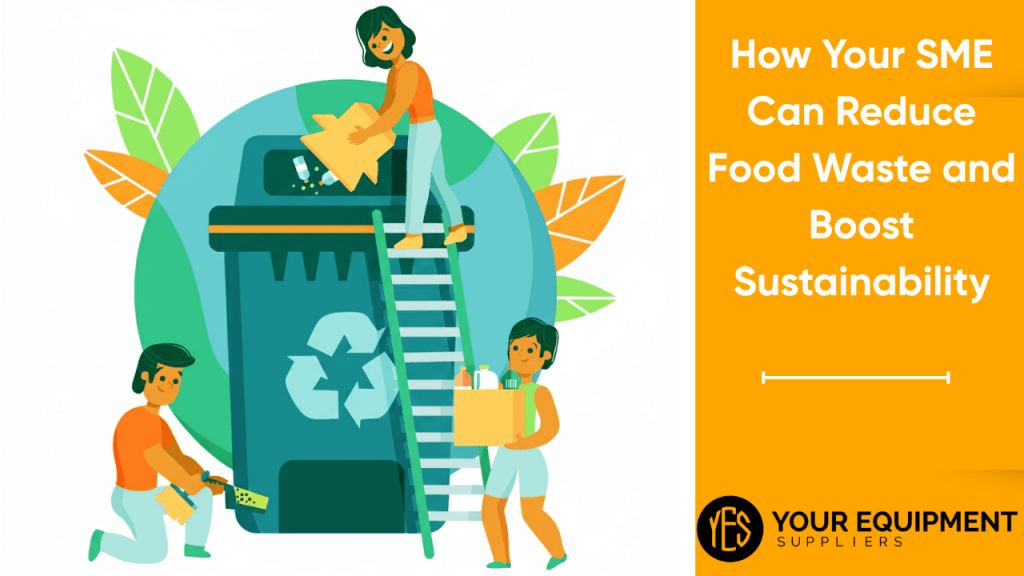
Small and medium-sized enterprises (SMEs) often generate waste from daily operations, whether it’s packaging materials, food scraps, office supplies, or manufacturing byproducts. Implementing an effective waste management system helps SMEs organize, reduce, and safely dispose of this waste, turning a potential problem into an opportunity for efficiency, cost savings, and sustainability.
Running a small or medium-sized business is never easy. Between managing staff, serving customers, and keeping the books balanced, sustainability can feel like one more thing on an already overflowing plate. But what if reducing food waste could actually make your business more efficient, save money, and even boost your reputation? That’s where Siel Environmental’s Food Waste Management Package comes in.
Imagine this: you start with a simple Mini Waste Management Audit. At first, it feels like uncovering problems, like where where food is being lost, what’s spoiling too quickly, and which processes are costing you money without you even noticing. But then comes the good part: the audit doesn’t just point out the problems, it shows you the opportunities. Suddenly, the hidden costs of waste are visible, and you know exactly where to take action.
Why Go Sustainable? Key Benefits for Your Business
Implementing effective waste management practices brings a wide range of advantages for businesses of all sizes:
Enhance Your Brand and Customer Loyalty: Today’s consumers and clients value companies that act responsibly. By managing waste sustainably, your business demonstrates environmental commitment, builds trust, and strengthens loyalty among eco-conscious customers and partners, giving you an edge in a competitive market.
Reduce Environmental Impact: Sustainable waste management helps decrease landfill contributions, conserve natural resources, lower greenhouse gas emissions, and reduce pollution. Taking action in this area allows your business to make a tangible, positive difference for the planet.
Long-Term Cost Benefits: While implementing waste management solutions may require initial investment, long-term savings are common. Reduced waste disposal costs, improved resource efficiency, and potential incentives or rebates make sustainable practices financially smart. Plus, the boost to your company’s reputation often outweighs upfront expenses.
Stay Compliant and Future-Ready: Governments worldwide are tightening regulations on waste disposal and environmental practices. Proactively adopting sustainable waste strategies ensures your business remains compliant, avoids penalties, and positions itself as a forward-thinking leader.
Attract and Retain Talent: Employees, especially younger professionals, increasingly seek workplaces with strong ethical and environmental values. Demonstrating a commitment to sustainable waste practices makes your business more appealing to top talent.
Drive Innovation and Differentiation: Managing waste sustainably encourages creative thinking in operations and supply chains. These innovations can lead to more efficient systems, cost reductions, and unique solutions that set your business apart from competitors.
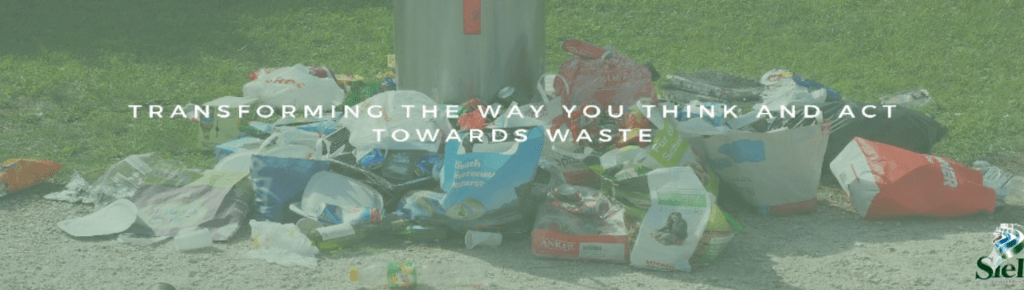
Understanding Waste Management Categories:
Source Reduction and Reuse: This approach focuses on reducing waste before it’s created. By using fewer materials, improving processes, or reusing items, businesses and households can minimize the amount of waste generated in the first place. Examples include using reusable containers, optimizing packaging, or repairing products instead of discarding them.
Recycling: This involves collecting and processing materials that would otherwise be thrown away and turning them into new products. Commonly recycled materials include paper, plastics, metals, and glass. Recycling conserves natural resources, saves energy, and reduces landfill space.
Composting and Organic Waste Management: Organic waste such as food scraps, garden clippings, and biodegradable materials can be composted to create nutrient-rich soil or used for bioenergy production. Composting diverts organic materials from landfills, reducing methane emissions and supporting sustainable agriculture.
Energy Recovery (Waste-to-Energy): Some waste can be converted into energy through processes like incineration or anaerobic digestion. This not only reduces the volume of waste sent to landfills but also generates electricity or heat, turning waste into a valuable resource.
Final Thought:
Implementing effective waste management isn’t just an environmental responsibility, it’s a smart business strategy. For SMEs, it means cutting costs, improving efficiency, and building a stronger reputation with customers, employees, and partners. By taking even small, practical steps toward sustainable practices, your business can transform waste from a challenge into an opportunity for growth, innovation, and long-term success. The journey toward sustainability starts today, and every action, no matter how small, creates a measurable impact for your business and the planet.
Interested in learning more about how you can optimise your business through waste management services? Have a listen as we deep dive into it.


