

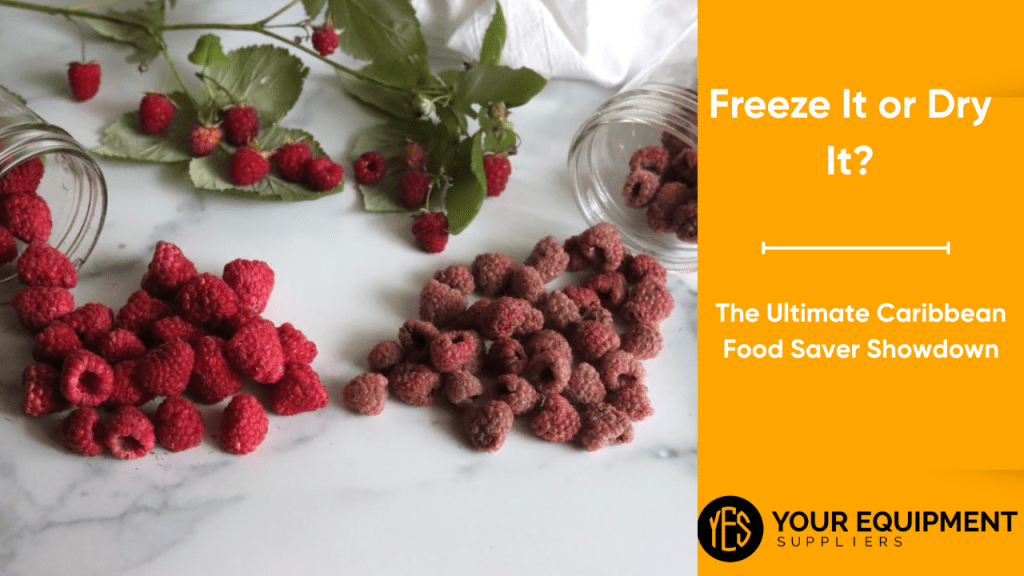
“If Only I Could Save This…”
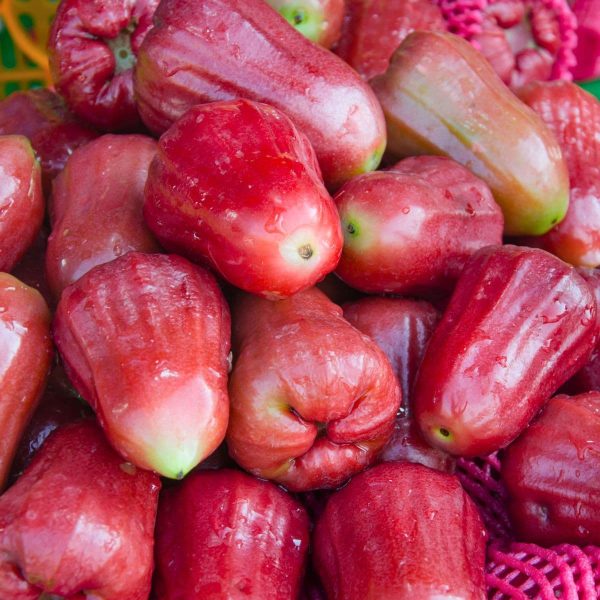
Once, as a child, along with my sister and cousin, we picked two huge baskets of pomerac (also known as the malay apple) from my aunt’s tree, excitedly. As we walked into the house with our loot happily, all we could hear is,” Y’all better eat every single pomerac y’all picked from that tree.” My aunt’s words stopped us dead in our tracks.
We’re talking two huge baskets amounting to roughly 60 of them. At first, everyone was just a little worried, but by pomerac number 9, it was pure despair.
Now, I don’t know about y’all, but I definitely had that moment, sitting in the living room, staring at the baskets that didn’t seem to be decreasing at all. Til this day, I still can’t eat it.
Haha, this is definitely what we call childhood trauma.
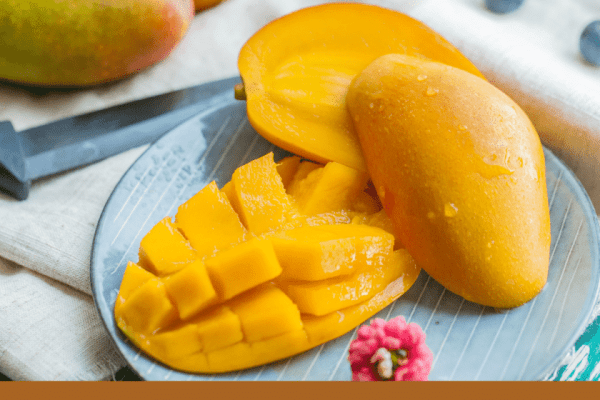
Now, as an adult, I’ve encountered the same problem in a different way. Sometimes, I’m in the kitchen, staring at a bunch of perfectly ripe mangoes that I inveigled others to bring for me and thinking, “I wish I could keep these just like this forever.”
I am sure y’all can relate. Maybe it’s mango season, and every corner stall is overflowing with sweet, golden fruit, but you know the season won’t last. Or maybe you picked a mountain of herbs from your garden and don’t want them to go to waste.
That’s where the dream of preserving things begins, and thanks to technology, it’s no longer just wishful thinking. Enter the freeze dryer and the dehydrator, two machines that can help you hold on to freshness, flavor, and goodness long after the season has passed.
What Is a Freeze Dryer?
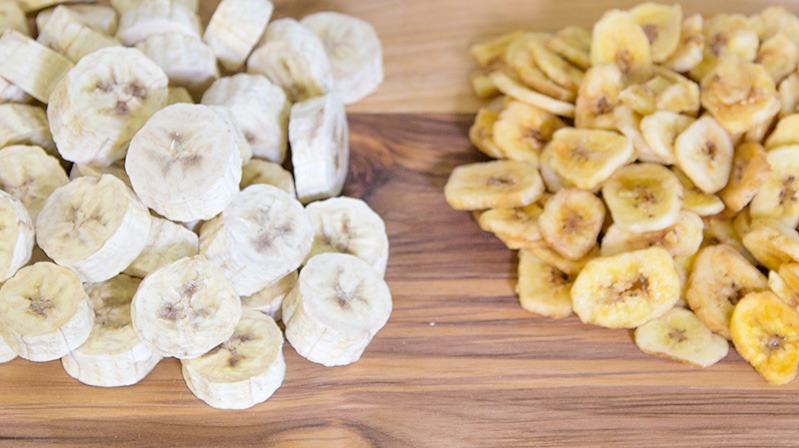
A freeze dryer is like a time capsule for your food. It works by freezing your food solid, then gently removing moisture through a process called sublimation, where ice turns directly into vapor without becoming liquid first.
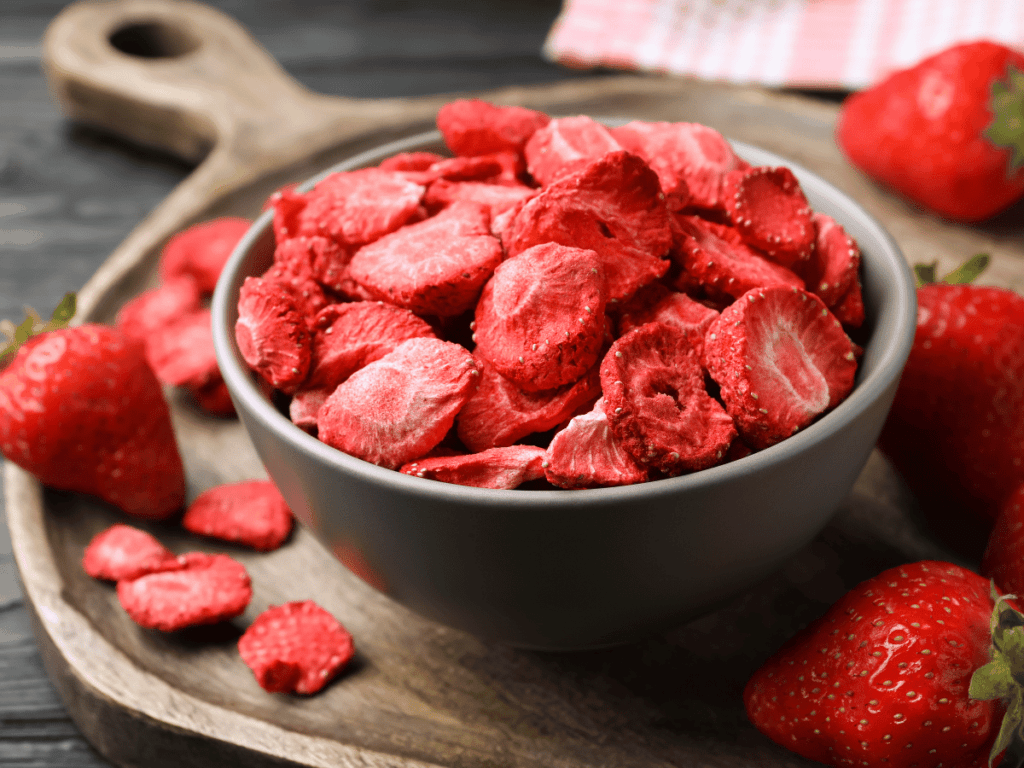
The result? Food that keeps its original shape, taste, color, and up to 97% of its nutrients. Isn’t that amazing? When you’re ready to eat it again, all you do is add water, and it’s back to its original form, fresh, vibrant, and delicious.
Imagine having perfectly ripe Caribbean fruits like soursop, pineapple, or mango, months after the season ends, tasting almost exactly like the day you picked them. That’s the magic of freeze drying. Honestly, I truly find it magical.
Technology has come a long way to making our lives better, and while freeze drying may seem new, it’s actually just as old as dehydrating. Fun fact, historically, it was done on icy slopes in both Scandinavia and Peru, but without electricity.
The Benefits of Freeze Drying
Longer Shelf Life: Freeze-dried foods can last up to 20–25 years when properly stored.
Nutrient Retention: Keeps nearly all the vitamins, minerals, and enzymes intact.
Tastes Fresh: Rehydrated food looks and tastes just like the original.
Lightweight & Space-Saving: Perfect for long-term storage or small freezers.
Ideal for Business: Great for farmers or small food brands wanting to create long-lasting, high-quality local products like freeze-dried fruit powders, soups, or smoothies.
What Is a Dehydrator?
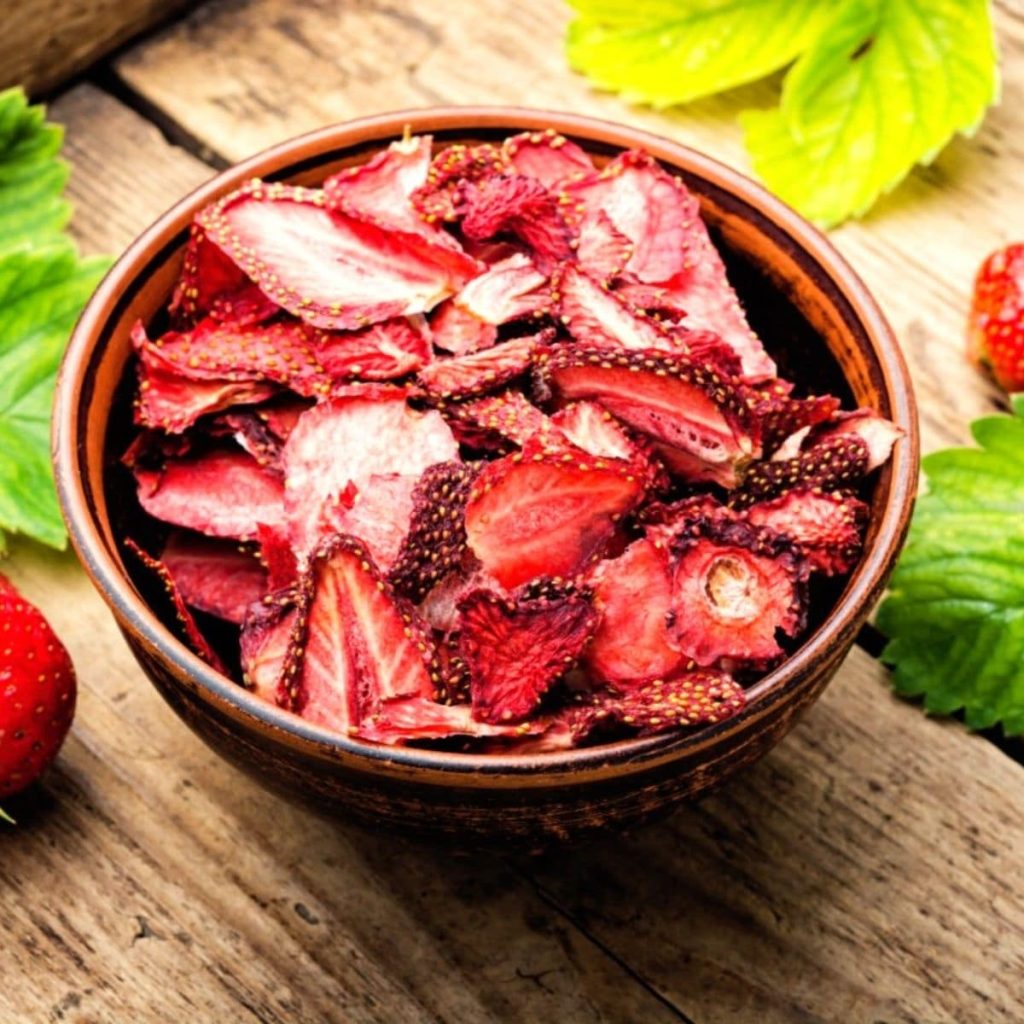
A dehydrator, on the other hand, uses gentle heat and air circulation to remove moisture from food. It’s been around for centuries. Just think of sun-dried bananas, tomatoes, or salted fish. The modern dehydrator just does it faster and more evenly.
Dehydrated foods tend to shrink a bit, become chewy or crispy, and can lose a bit of color or nutrients compared to freeze drying, but they still last far longer than fresh produce and are perfect for healthy snacks like dried fruit chips or veggie crisps.
I, for one, love the rich, chewy taste and texture of dehydrated mangoes, jerky, and fruit slices.
The Benefits of Dehydrating
Energy-Efficient: Uses less electricity than a freeze dryer.
Budget-Friendly: Dehydrators are generally more affordable and easier to maintain.
Perfect for Snacks: Creates tasty, ready-to-eat treats like banana chips, plantain crisps, or dried herbs.
Simple to Use: Just slice, season, and dry. No special steps required.
Less Storage Space: Dehydrated foods pack down small and can fit in jars or bag
Why These Machines Shine in the Caribbean
Living in the Caribbean, we’re surrounded by abundance; mangoes, pineapples, guavas, herbs, peppers, and vegetables that flourish in our tropical climate. But the seasons come and go quickly, and a lot of produce ends up spoiling before we can use it all.
Freeze dryers and dehydrators change that. They help reduce food waste, save money, and keep the taste of local produce alive all year round. Imagine enjoying your favorite fruits in the off-season, or creating your own packaged snacks and seasonings for sale, right from your kitchen or farm.
Freeze Drying vs. Dehydrating. What’s the Real Difference?
At first glance, freeze drying and dehydrating might sound like two versions of the same idea, removing water from food to make it last longer. But when you look closer, they’re actually very different processes with very different results.
Let’s break it down Caribbean-style.
| Feature | Freeze Drying | Dehydrating |
|---|---|---|
| How It Works | Food is frozen solid, then placed in a vacuum chamber where ice turns directly into vapor (sublimation). | Food is heated at low temperatures to evaporate moisture slowly. |
| Temperature Used | Ultra-low temperatures (around -40°C or lower). | Warm air, usually between 50–70°C (120–160°F). |
| Nutrient Retention | Retains up to 97% of nutrients. The vitamins, color, and enzymes stay almost intact. | Loses more nutrients, especially vitamin C and heat-sensitive compounds. |
| Texture & Taste | Light, crisp, and airy and rehydrates easily to original texture. | Chewy or leathery texture, sometimes darker color, with concentrated flavor. |
| Shelf Life | Can last 10–25 years if properly sealed and stored. | Typically lasts 1–2 years, depending on humidity and packaging. |
| Storage Needs | Lightweight, compact, and no refrigeration needed once sealed. | Also shelf-stable but can absorb moisture faster in humid environments. |
| Ideal For | Fruits, vegetables, herbs, full meals, dairy, and delicate foods like mangoes or strawberries. | Jerky, dried herbs, fruit leather, and snacks that benefit from chewy texture. |
So, Which One Is Better for the Caribbean?
In the Caribbean, where sunshine, soil, and sea give us some of the most flavorful fruits and vegetables in the world, both freeze dryers and dehydrators can make a huge difference but each shines in its own way.
A dehydrator is ideal for everyday use, perfect for making banana chips, dried herbs, pepper flakes, and teas. It’s affordable, easy to use, and great for home cooks, small vendors, and farmers who want to make quick, tasty products without breaking the bank.
A freeze dryer, on the other hand, takes food preservation to another level. It locks in color, taste, and nutrients for years, even in our humid climate. It’s perfect for farmers and small food businesses that want to reduce waste, store crops long-term, or create premium products like fruit powders and smoothie packs.
In short:
- Dehydrators are great for everyday snacks and simple preservation.
Freeze dryers are best for long-term storage, quality retention, and business growth.
Whichever you choose, both help us make the most of our Caribbean harvest, keeping the taste of the islands alive all year round.
Want to learn more? Listen to our podcast where you can get all the details.


