

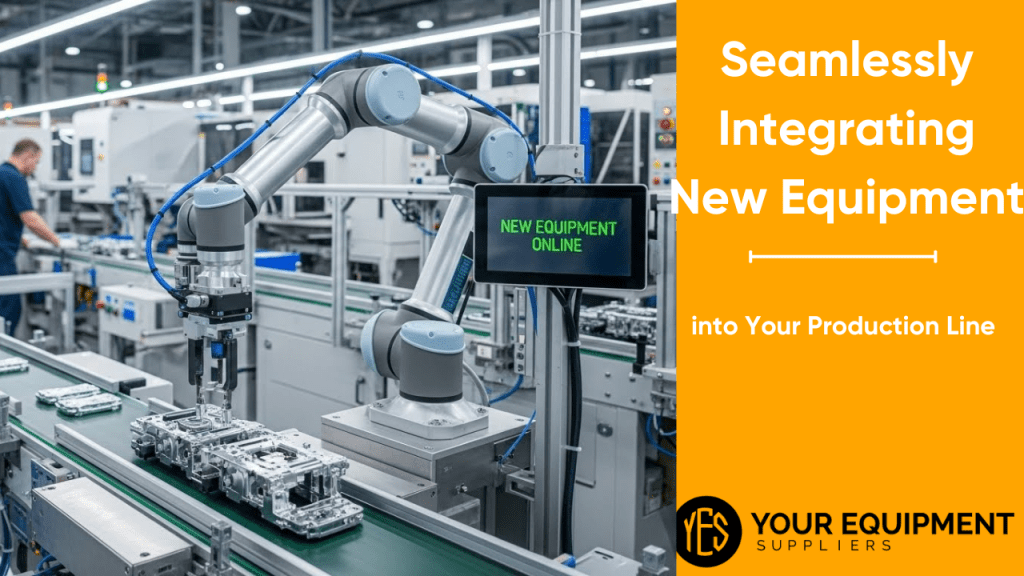
Upgrading your production line can feel like walking a tightrope. On one side, there’s the promise of higher efficiency, better quality, and modern capabilities. On the other hand, there’s the very real fear of downtime, misalignment, and disruption to your day-to-day operations. The good news? Integrating new equipment doesn’t have to be a headache if you plan it right.
Let me start with a story. A mid-sized beverage manufacturer recently decided to upgrade one of their bottling lines. They invested in a high-speed filler that promised to double output. On installation day, everything was lined up perfectly, or so it seemed. By lunchtime, the line kept jamming. The culprit? Minor misalignment between the new filler and the existing conveyor system. A small oversight, but it caused hours of downtime. After some tweaks, testing, and consultation, the line finally ran smoothly, and the company learned a critical lesson: preparation and integration strategy matter just as much as the equipment itself.
Here’s a practical roadmap to avoid that kind of scenario in your operation.
1. Assess Your Current Workflow
Before adding any new equipment, take a hard look at your existing production line. Ask questions like:
What’s the current capacity and throughput?
Where are bottlenecks occurring?
Are there outdated machines or processes that need alignment with the new equipment?
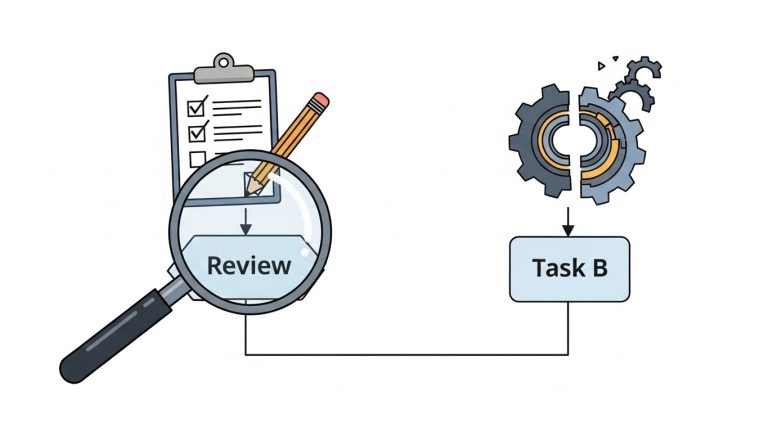
Mapping out your current workflow helps you anticipate where integration challenges may arise.
2. Understand the Specifications
Every machine comes with requirements, power, floor space, ventilation, connectivity, and more. Make sure your infrastructure can support these needs. A common oversight is assuming “it will fit”, but even a small mismatch in dimensions or electrical load can halt the project before it starts.
3. Plan for Minimal Disruption
Integration doesn’t have to mean shutting down your entire operation. Consider phased installation, off-shift testing, or parallel runs to limit downtime. In our beverage line example, the company could have pre-tested the filler alongside the old machine to catch the misalignment issue early.
4. Train Your Team
Your staff are your first line of defense against production hiccups. Involve them early in the process and provide hands-on training. Familiarity reduces mistakes and builds confidence when the new equipment goes live.

5. Test, Adjust, Repeat
Even the most carefully planned integration will require fine-tuning. Run pilot batches, monitor for errors, and document adjustments. Small tweaks now can prevent costly interruptions later.
6. Partner With Experts
Sometimes, the smartest move is to bring in outside expertise. Equipment suppliers and consultants can offer insights, assist with setup, and provide support for a smoother transition. A short consultation can save days of troubleshooting later.
Closing Thoughts
Integrating new equipment is as much about people, planning, and processes as it is about the machinery itself. By taking a thoughtful, structured approach, you can enhance efficiency, reduce risk, and see the real benefits of your investment faster.
If you’re looking for guidance on seamlessly bringing new machinery into your production line, our team is ready to help. From consultation to hands-on support, we ensure your operations stay on track during every stage of integration.


