

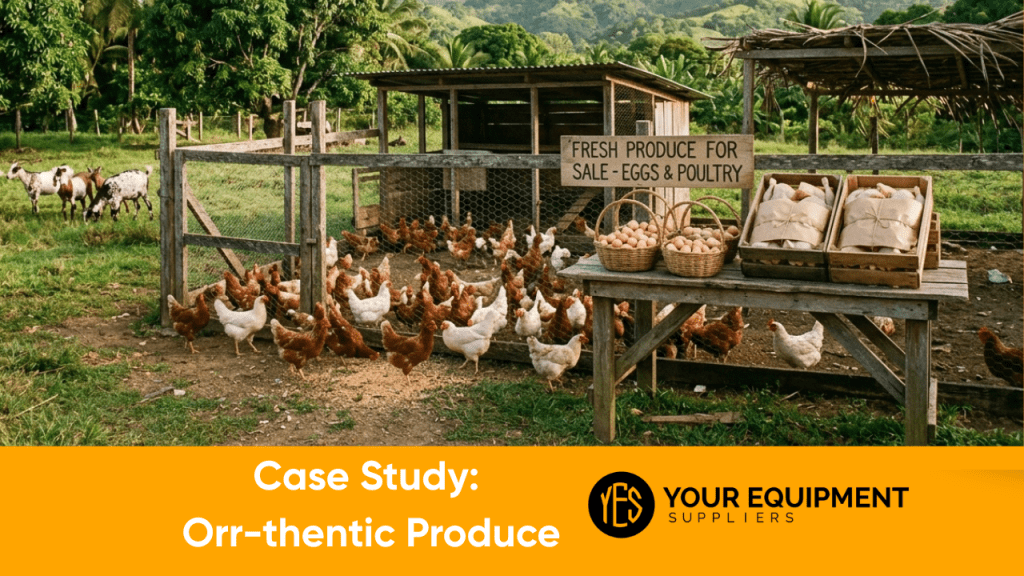
Client Snapshot
From dependency to full production control in 12 months
Business: Orr-thentic Produce
Owner: Venus Orr
Location: Louisville, Tobago
Operation Type: Livestock farmer & meat producer
YES Equipment:
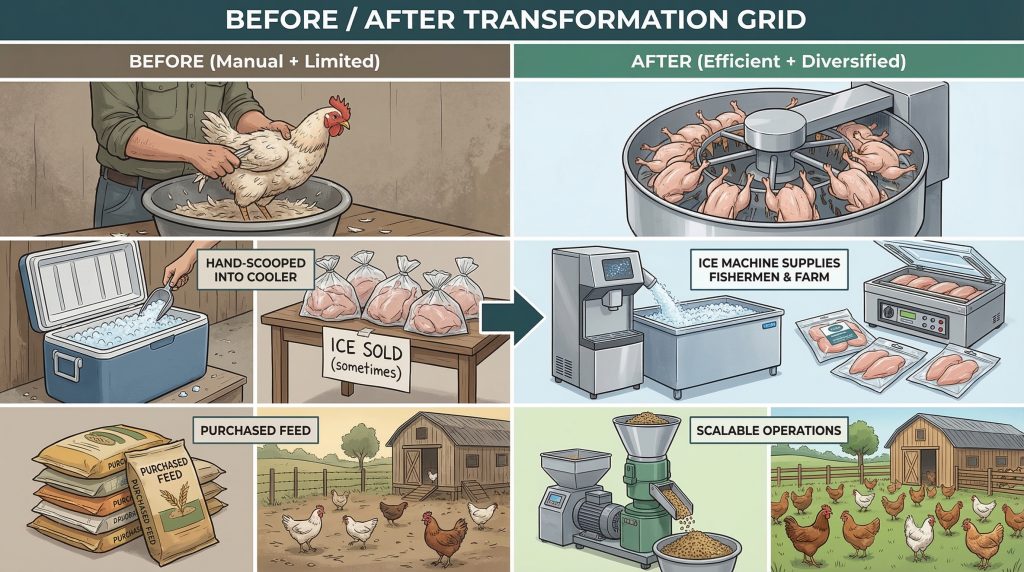
1. BEFORE → AFTER TRANSFORMATION
The machines became the system that powers the farm.
THE PROBLEM (BEFORE): DEPENDENCY MODE
BEFORE (Manual + Limited) | AFTER (Efficient + Diversified) |
| Poultry plucked by hand | Automated plucking machine increases processing capacity |
| Cooling done manually or inconsistently | Ice maker stabilizes temperature during slaughter |
| Basic packaging methods | Vacuum sealed packaging improves presentation and shelf life |
| Purchased commercial feed | Pellet machine allows in-house feed production |
| Limited secondary income | Ice machine now supplies fishermen as well |
| Hard to scale operations | Equipment allows higher production and efficiency |
The bottleneck wasn’t demand.
The bottleneck was access to a machine.
2. Business Context (YES Strategic POV)
Many Caribbean agricultural businesses begin with manual processes and small-scale operations.
The challenge isn’t demand.
The challenge is capacity and efficiency.
For Venus Orr, the business started with a clear mission:
Provide fresh, local, and healthy pork from Tobago.
As demand grew, so did the operational pressures.
- Manual labour slowed production.
- Cooling during slaughter needed improvement.
- Packaging had to meet customer expectations.
YES stepped in with the same philosophy that drives every recommendation:
Right Machine. Right Outcome. Zero Guesswork.
The goal wasn’t just selling equipment.
It was building a more efficient farm operation.
3. The Bottleneck: Before YES
Challenge | Consequence |
| Manual poultry plucking | Slow processing, limited supply |
| Temperature control during slaughter | Risk of spoilage and product loss |
| Basic Packaging | Products looked less professional |
| Purchased animal feed | Less control over feed quality |
| Limited operational tools | Harder to scale production |
Venus wasn’t lacking drive or customers.
She needed systems that matched the growth of her farm.
4. YES Recommendation (Strategic Equipment Stack)
THE SOLUTION
Rather than a single machine, YES helped build a complete operational toolkit.
Instead, we opted for the ones that would directly solve any issues he had.
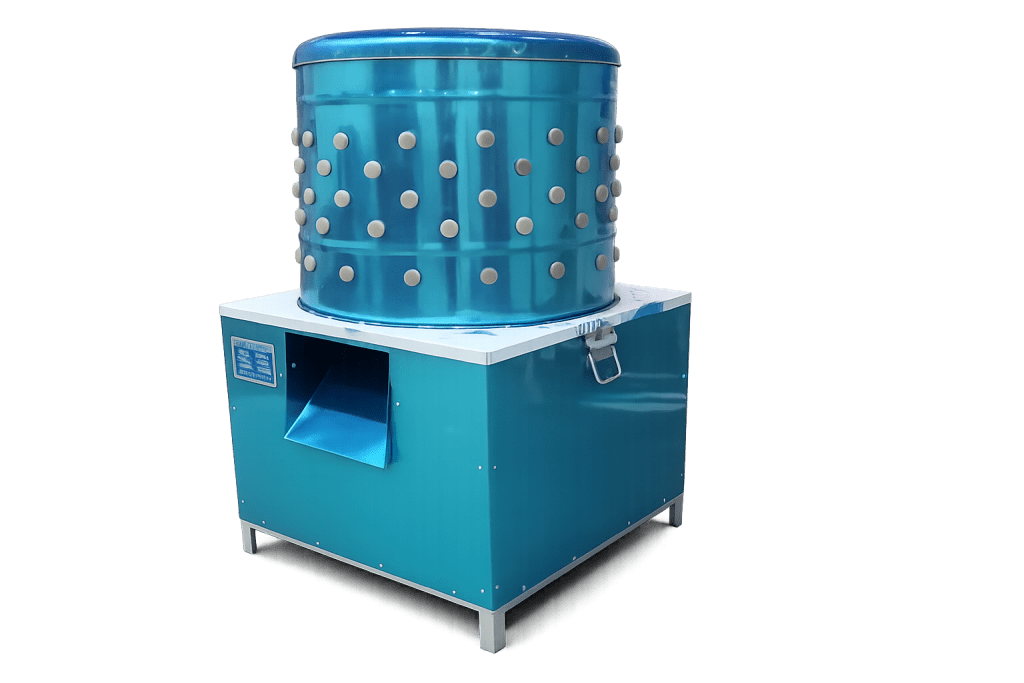
Poultry Processing Upgrade
Plucking Machine
→ Eliminated slow hand-plucking
→ Increased number of birds processed
→ Improved production efficiency
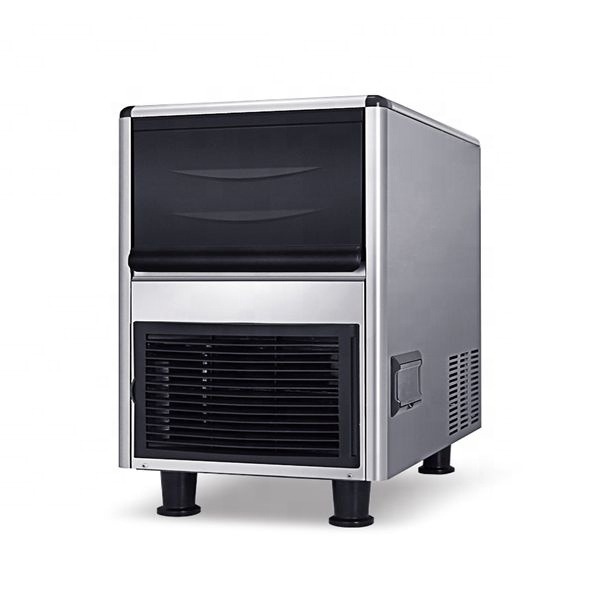
Cold Chain Control
Ice Maker
→ Maintains temperature during slaughter
→ Prevents meat deterioration
→ Creates additional income stream supplying fishermen
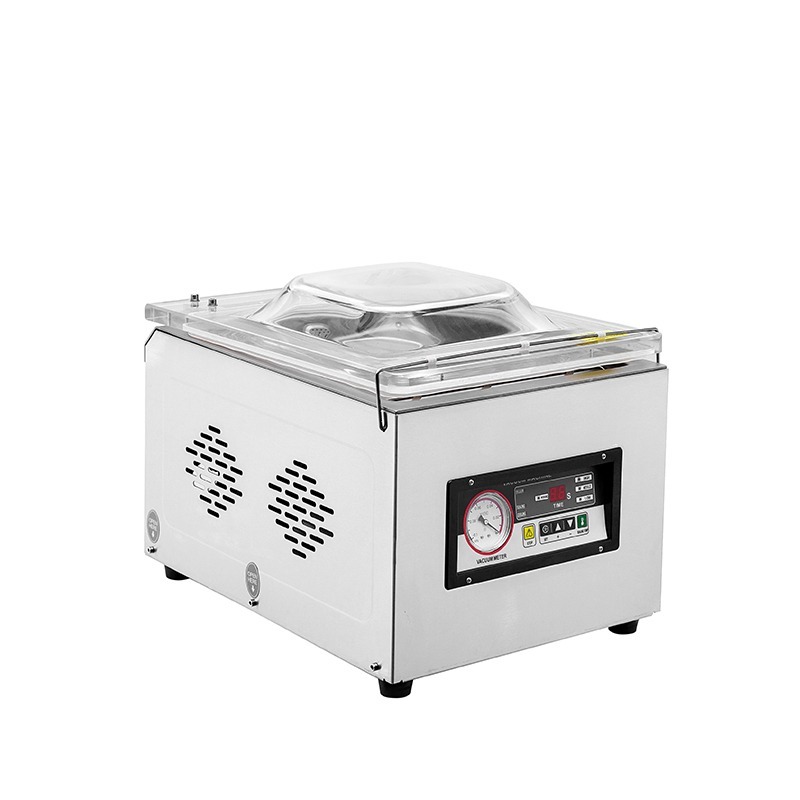
Packaging Upgrade
Chamber Vacuum Sealer
→ Professional product presentation
→ Extended shelf life
→ Cleaner, more attractive packaging for customers
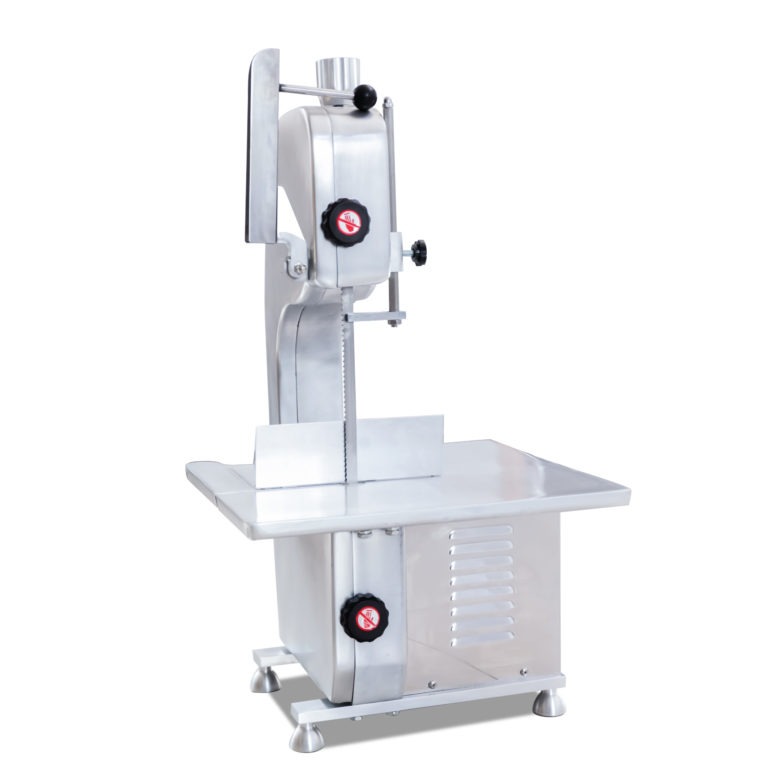
Meat Processing Expansion
Bone Saw Machine
→ Precise meat cutting
→ Improved product consistency
→ Better service for customers requesting specific cuts
Feed Production Independence
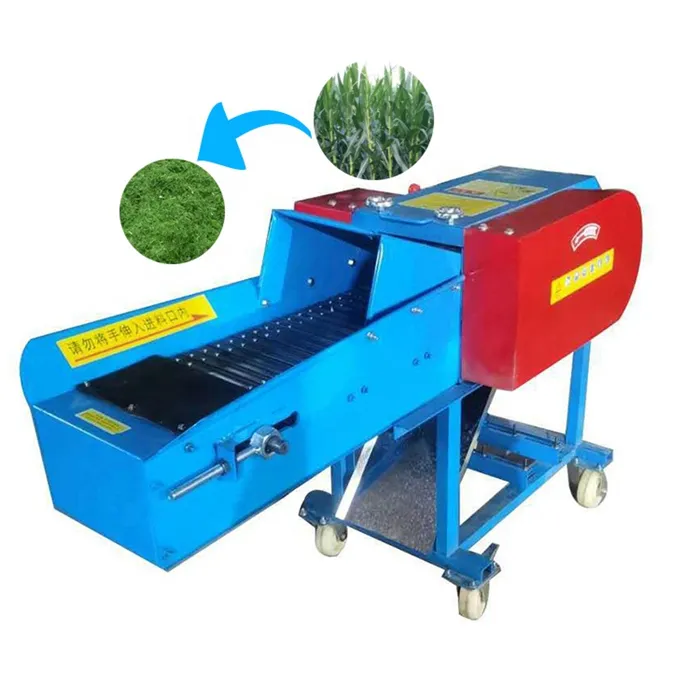
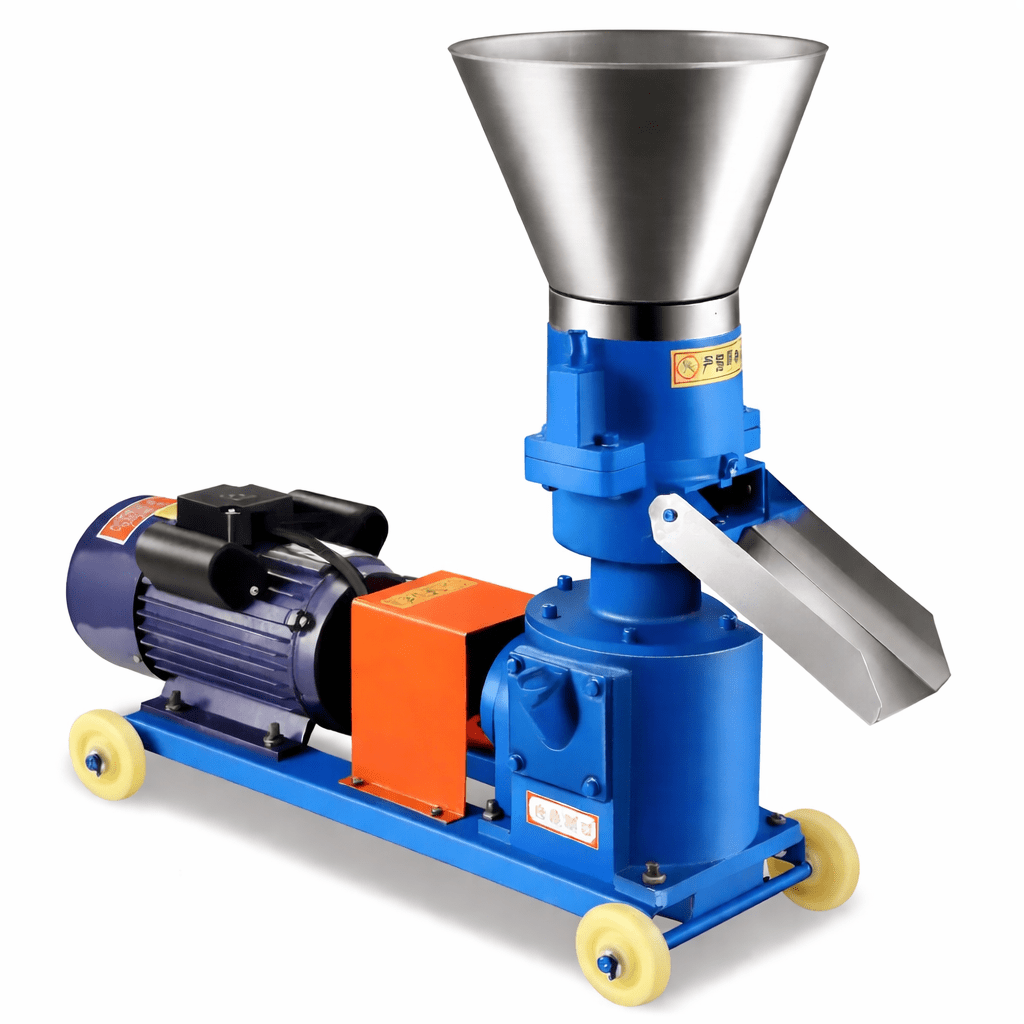
Pellet Feed Machine + Grass Processing Machine
→ Allows Venus to produce custom animal feed
Benefits:
Greater control over nutrition
Use of locally grown inputs
Reduced dependence on commercial feed suppliers
What YES Added:
✔ Equipment matching
✔ Usage guidance
✔ Safety + cleaning best practices
Right machine. Right sequence. Right outcome.
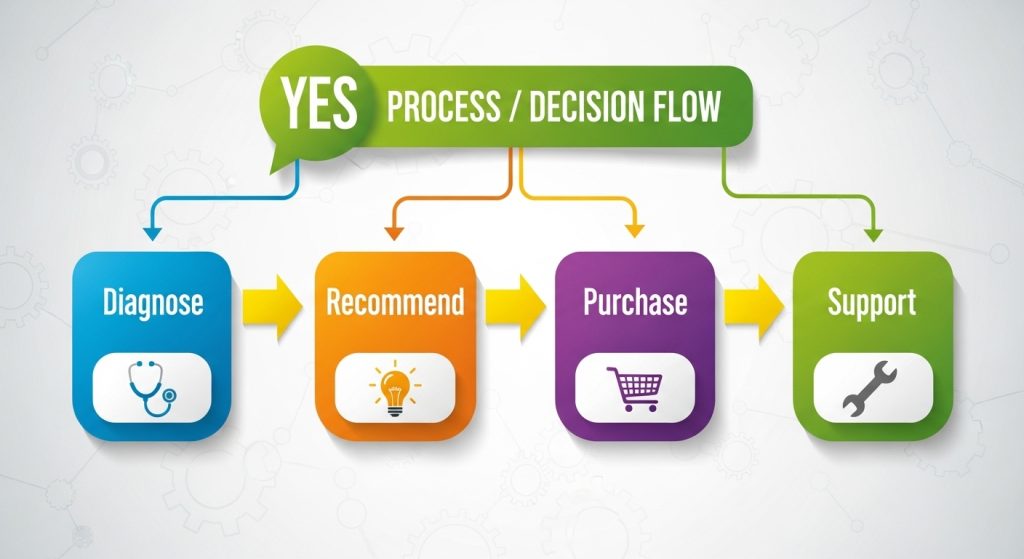
YES also provided:
Guidance on machine usage
Customer support and communication
Ongoing assistance when questions arise
5. Results: Operational & Business Impact
Production Efficiency
Automated plucking dramatically reduces processing time, allowing Venus to handle larger batches of poultry.
This means:
Higher production capacity
More product available for market sales
Improved Food Safety
The ice maker allows rapid cooling during slaughter, which:
Maintains meat quality
Reduces spoilage risk
Supports proper food handling practices
Stronger Product Presentation
Vacuum sealing improved:
Shelf life
Hygiene
Customer perception
Packaging now reflects a professional, retail-ready product.
Vertical Integration
Producing feed in-house means:
Greater nutritional control
Potential cost savings
Ability to market animals raised on locally produced feed
Venus proudly describes her farm as:
“100% local and 100% quality.”
Additional Revenue Stream
The ice machine created a secondary business opportunity.
Ice produced on the farm is also supplied to local fishermen, creating another source of income.
ROI Example: Labour Recovery + Additional Revenue
The financial value of the equipment investment can be understood through:
- Recovered labour time
- Improved operational efficiency
- Additional revenue streams created by the equipment
In this case, production and processing involved 2 workers, with each person’s labour valued at TTD $40 per hour.
That means the combined labour value was:
TTD $80 per hour
The equipment package helped reduce manual processing, packaging, cooling, feed preparation, and slaughter workflow time by approximately 5 hours per day.
Because 2 people were involved, this represents:
10 labour-hours recovered per day
TIME SAVED10 HOURS / DAY REGAINEDProduction is now 3× faster per batch → Same output achieved in significantly less time 10 hrs/day × 5 days = 50 hrs/week saved | ||||||||||||||
ADDITIONAL ICE REVENUEThe commercial ice maker not only supports slaughter operations, but also generates an additional income stream supplying ice to fishermen. Ice Sales:
10 × 20 = TTD $200/week additional revenue | ||||||||||||||
TOTAL WEEKLY IMPACT
Total Weekly Value: TTD $2,200 | ||||||||||||||
YEARLY IMPACTTTD 2,200/week × 52 = TTD 114,400/year in operational value | ||||||||||||||
PAYBACK CALCULATIONInvestment:
Total Investment:TTD $45,812.64ROI Year 1114,400 ÷ 45,812.64 = 250% payback in one year |
***These figures are used as an example only***
Estimated First-Year Payback
250% Operational Payback in One Year
The recovered labour value and additional revenue generated by the equipment could exceed the original equipment investment by more than double within the first year.
And that still does not include the full business upside.
This ROI Example Does Not Include:
- increased poultry processing capacity
- ability to process larger product volumes
- additional meat sales opportunities
- expanded customer reach
- improved product presentation and shelf life
- improved slaughter workflow efficiency
- Reduced spoilage risk through better cooling
- improved feed quality control
- stronger “100% local” brand positioning
- Reduced operational stress during production
- additional future revenue streams from equipment utilisation
- improved consistency across products
- better readiness for retail, wholesale, and distribution opportunities
For many growing agricultural businesses, the biggest return comes from removing the operational bottlenecks limiting production capacity and workflow efficiency.
Market Validation
The operational improvements at Orr-thentic Produce not only improved internal efficiency.
The upgraded production system also strengthened the quality and presentation of the final products.
Customers experienced:
- improved product presentation
- better product consistency
- professionally packaged products
- stronger confidence in locally produced meats
- higher perceived product quality
The investment also reinforced the business’s positioning around:
“100% local and 100% quality.”
This created a powerful growth cycle:
Better equipment → Better workflow → Better product quality → Stronger customer confidence → Greater business growth
That matters because it demonstrates how the right production system improves not only operational efficiency, but also the strength of the business brand itself.
For agricultural businesses, equipment is not just a tool.
It becomes part of the customer experience, production capacity, and long-term scalability of the business.
6. What Would Have Happened Without the Equipment?
Without investing in machinery, the farm would likely face:
- Slower poultry processing
- Higher labour demands
- Less professional packaging
- Continued reliance on external feed suppliers
- Missed revenue opportunities
Equipment transformed the operation from manual farming to efficient agricultural processing.
Without the right equipment, the business would have remained limited by manual processes, restricting production capacity, product quality, and opportunities for growth.
7. Customer Testimonial
“YES provided us the perfect bone saw machine at the most reasonable price and the best customer service ever.
The communication and assistance that I receive is something I really appreciate in business.
As we continue expanding our meat products, we will continue working with YES for the equipment we need to serve our customers.”
Venus Orr, Owner | Orr-thentic Produce
8. Market & Industry Opportunity
Small-scale livestock producers across the Caribbean face the same structural problem:
They grow faster than their tools allow.
Key trends:
- Rising demand for locally produced meats
- Greater consumer awareness of food quality and origin
- Increased interest in farm-to-table supply chains
Micro-processors who adopt the right equipment gain:
- Faster production
- Better product quality
- Higher profitability
The global meat processing equipment market is projected to grow from USD 12.5B (2024) → USD 20.4B by 2033.
- Latin America & the Caribbean represent 18% of global meat production.
Chicken represents 80% of all meat consumption in the Caribbean.
Interpretation for YES:
Micro-processors are growing and underserved.
They need machines that help them scale, without factories or huge footprints.
9. Why YES Wins
Other suppliers sell machines.
YES sells outcomes.
Typical Seller | YES |
| “Here’s the machine.” | “Here’s your bottleneck removed.” |
| Price-based | ROI-based |
| Transactional | Partnership + support |
| Machine | Machine + Guidance + Results |
Stop renting labour. Start owning output.
Book a consult: Right Machine. Right Outcome. Zero Guesswork.


