

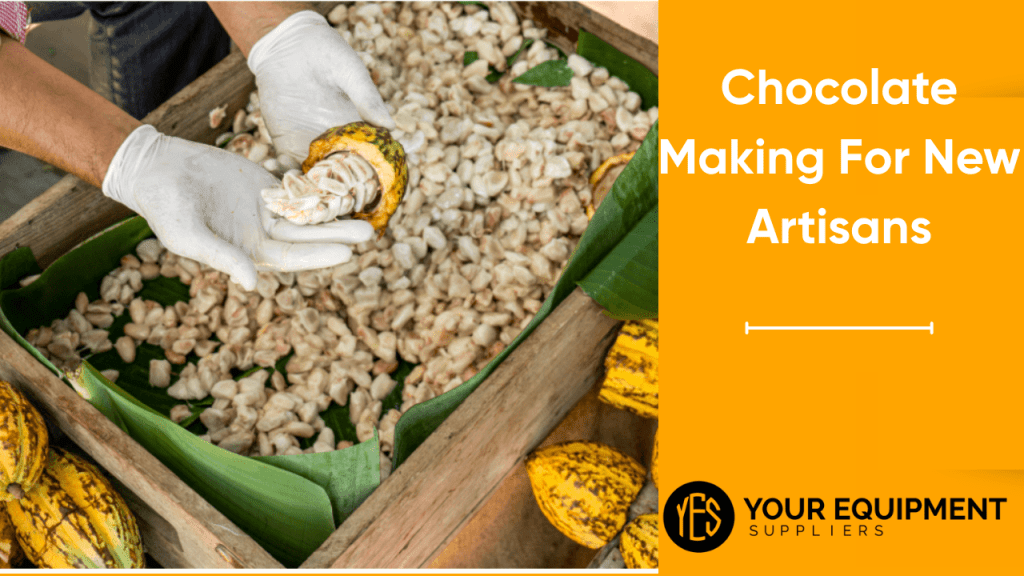
Listen up, future chocolate making moguls—this isn’t just about melting cocoa and calling it a day. This is about crafting an experience, building a brand, and making something so good that people dream about it at night.
Chocolate isn’t just candy—it’s an art, a science, and, if you do it right, a serious business. But don’t worry—you don’t need a giant factory or a golden ticket to get started. You need passion, quality ingredients, the right equipment, and a Chocolate Making For New Artisans plan.
And guess what? You’re about to get all of that right here.
STEP 1: UNDERSTAND YOUR CHOCOLATE & FIND YOUR STYLE
Chocolate isn’t just one thing—it’s an entire world of textures, flavors, and artistry. As a new artisan, you need to decide what kind of chocolate speaks to you.
Popular Styles for Artisans:
- Bean-to-Bar: You control every step, from sourcing raw cacao beans to crafting the final product.
- Couverture Creations: Working with high-quality couverture chocolate to make truffles, pralines, and bonbons.
- Infused & Flavored Chocolates: Adding spices, liqueurs, fruits, or floral elements for a unique twist.
- Vegan or Dairy-Free Chocolate: A fast-growing market with high demand.
- Ethically Sourced & Single-Origin Chocolate: Telling a story through unique cacao origins and sustainable sourcing.
STEP 2: CHOOSE HIGH-QUALITY INGREDIENTS
Your chocolate’s taste starts with what you put into it. World-class chocolate making isn’t done with mediocre ingredients—so here’s what you need to focus on:
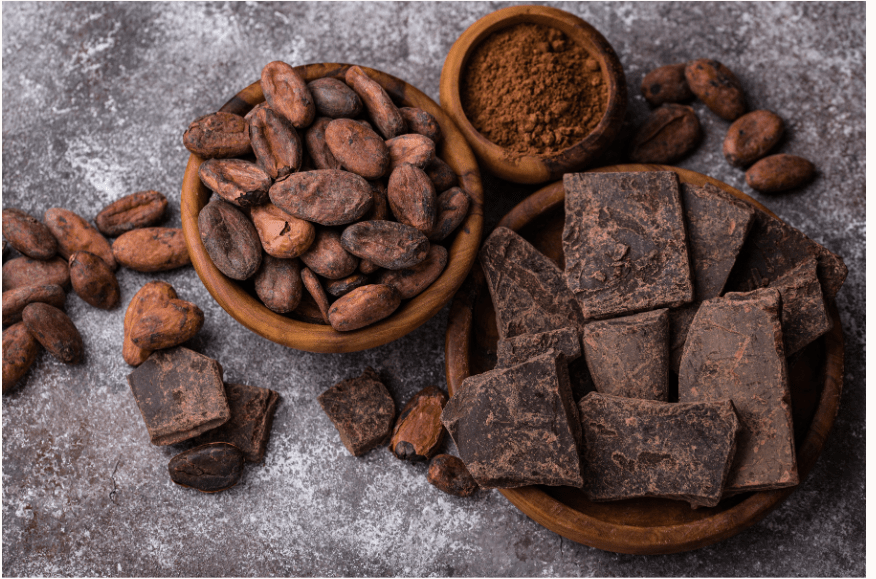
- Premium Cocoa Beans or Couverture Chocolate – The foundation of everything. Look for high cocoa content and ethical sourcing.
- Pure Cocoa Butter – For that silky mouthfeel and natural richness. Avoid substitutes like vegetable fats.
- Natural Sweeteners – Organic cane sugar, coconut sugar, or honey for a well-rounded sweetness.
- Real Vanilla & Natural Flavor Infusions – Skip artificial flavors and go for real vanilla beans, spices, or liqueurs.
- Fresh, High-Quality Add-Ins – Nuts, dried fruit, coffee beans, or sea salt can elevate your creations.
STEP 3: GET THE RIGHT EQUIPMENT TO CRAFT LIKE A PRO
If you want silky, perfectly tempered, and professionally crafted chocolate, you’ll need the right tools.
Essential Equipment for Chocolate Making
- Cocoa Grinder (Melanger) – Turns cocoa nibs into smooth, luxurious chocolate liquor. (Look for a stone grinder for even refining.)
- Chocolate Tempering Machine – Ensures glossy, snappy chocolate with precise temperature control. (Crucial for professional-looking chocolate.)
- Molds & Trays – Silicone or polycarbonate molds for uniform bars, bonbons, and pralines.
- Cooling & Storage Equipment – A humidity-controlled fridge or cooling cabinet prevents bloom.
- Infrared Thermometer – Accurate tempering means flawless texture and finish.
- Melting Tanks – For controlled chocolate melting without burning or over-processing.
- Sealing & Packaging Equipment – Heat sealers, foil wrappers, and food-safe packaging for a polished, sellable product.
- Precision Scale & Measuring Tools – Because consistency matters.
Bonus for Bean-to-Bar Makers:
- Roaster – To develop the deep, rich flavors of raw cocoa beans.
- Winnower – Removes cocoa shells to get pure nibs.
- Conche Machine – Further refines the texture for smooth, premium chocolate.
STEP 5: BRAND & MARKET YOUR ARTISAN CHOCOLATE
Making chocolate is only half the battle. The other half? Getting people to buy it.
How to Build an Irresistible Chocolate Brand:
- Unique Branding & Packaging – Think elegant, sustainable, and memorable.
- Strong Online Presence – Social media, a sleek website, and high-quality product photography.
🛍 Sell Smart – Farmers’ markets, gourmet shops, online platforms, and direct-to-consumer. - Subscription Boxes & Gift Sets – Build repeat customers with curated chocolate collections.
- Tell Your Story – If you source ethical cacao or use unique techniques, share it! People love a good story.
STEP 4: MASTER THE CHOCOLATE MAKING PROCESS
Chocolate making is a blend of science and art. If you want to make high-quality chocolate, follow these essential steps:
- Roast Carefully – If using raw beans, roast them at precise temperatures to develop flavor.
- Grind Thoroughly – A slow, steady grind ensures an ultra-smooth texture.
- Temper Like a Pro – Proper tempering gives chocolate a glossy finish and satisfying snap.
- Store Properly – Keep chocolate cool, dry, and away from light to prevent bloom.
- Taste Test Everything – If you wouldn’t buy it, don’t sell it.
Pro Tip: Practice tempering—it’s the #1 skill that separates amateurs from professional chocolatiers.

STEP 6: GROW YOUR BUSINESS LIKE A PRO
Once demand starts growing, it’s time to scale up.
- Upgrade equipment – Invest in larger grinders, tempering machines, and automated systems.
- Expand your product line – Try new flavors, limited-edition collections, or seasonal releases.
- Distribute strategically – Get into high-end markets, specialty food stores, and online retailers.
- Go global – If you’re making high-quality, unique chocolate, people worldwide will want it.
Pro Tips:
- Partner with cafés, wine shops, and boutique retailers to get your chocolate into more hands.
- If you’re doing bean-to-bar, focus on sourcing direct trade or fair-trade cacao. Consumers love ethical, traceable chocolate.
Your Equipment Suppliers, provides top-quality commercial and industrial machinery with global delivery, financing, training, installation, and exceptional customer service. Empower your business growth with reliable equipment and expert support worldwide.


