

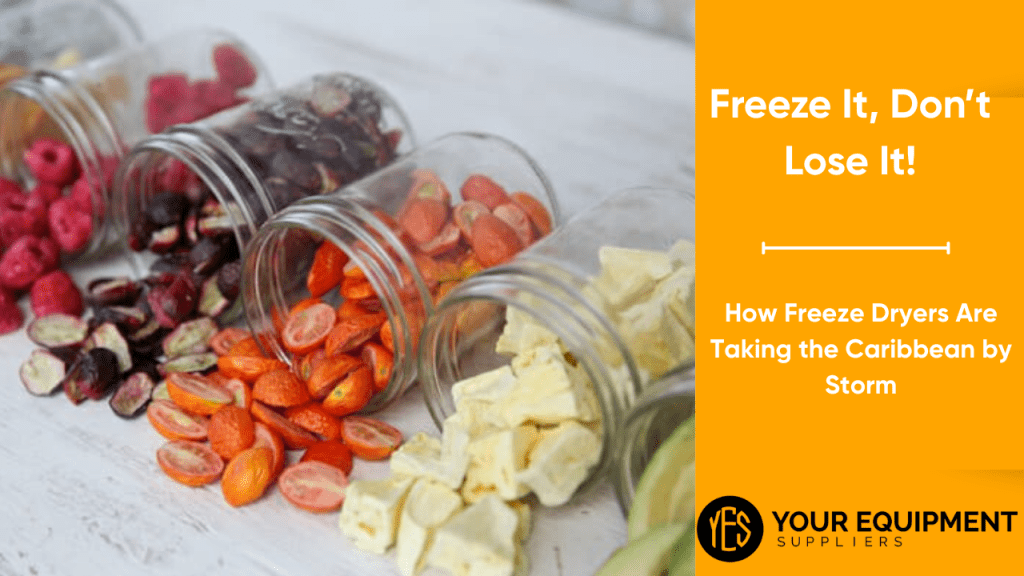
When we say that Freeze Dryers are taking the Caribbean by storm, naturally we don’t mean a hurricane. If there was really a storm, it would definitely be a blizzard, because that’s how cold it can get up to in a freeze dryer. Get it? Haha
Remember that one friend who insists on freezing everything? From leftover doubles to half a mango, they’ll tell you, “It’ll be good next week!” But then, when you finally dig it out of the freezer months later, it’s a frosty, flavorless mystery cube. We’ve all been there. The great Caribbean freeze-and-forget experiment.
Now imagine if freezing food didn’t mean compromising on texture, taste, or nutrients. What if instead of soggy fruit and dull flavors, you could have crisp, colorful, and nutrient-packed produce that lasted for months, or even years? That’s where the magic of freeze drying steps in.
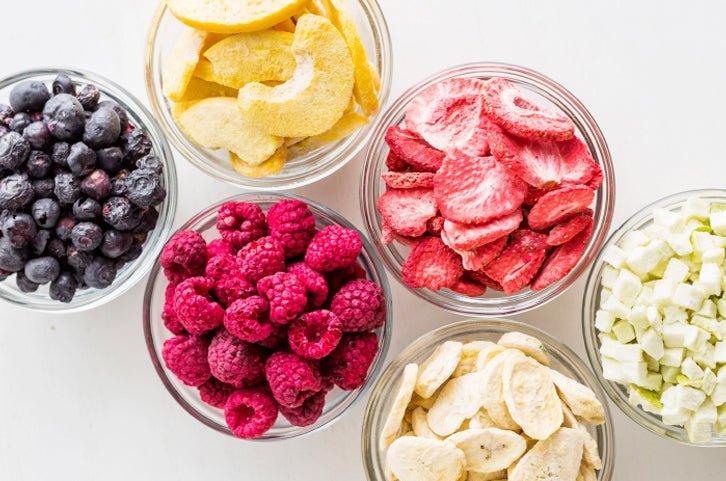
The Caribbean’s Hidden Treasure; Our Seasonal Abundance
Living in the Caribbean means being blessed with an incredible variety of fruits and vegetables. From juicy mangoes and guavas to peppers, herbs, and leafy greens. The challenge? They often come in short, intense seasons. Before you know it, mango season is over, and you’re back to craving what’s no longer on the trees.
This is why freeze drying has become such a game-changer for small farmers, food entrepreneurs, and even home enthusiasts. Instead of watching your harvest spoil or rushing to sell before it goes bad, you can preserve it at its freshest, locking in color, flavor, and nutrition while extending shelf life dramatically.
So, What Exactly Is Freeze Drying?
Freeze drying (or lyophilization, if you want to impress your friends) is a process that removes water from food through sublimation, turning ice directly into vapor without becoming liquid first. Now, I’m sure some people may be a bit confused at this point; at least, I know I was.
So here’s how it works:
- The food is frozen solid to preserve its structure.
- A powerful vacuum then removes the frozen moisture, leaving the food dry but still perfectly intact.
- The result? Lightweight, crisp, and shelf-stable food that rehydrates beautifully when you’re ready to use it.
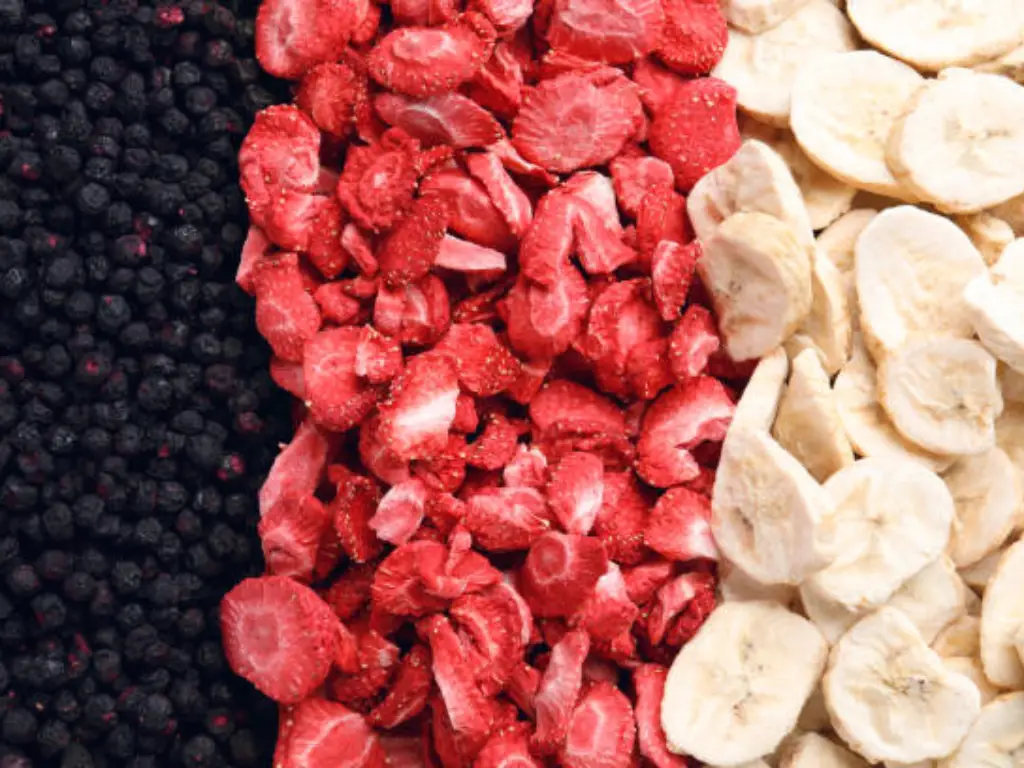
It sounds incredibly simple, doesn’t? Unlike traditional dehydration, which uses heat and can destroy vitamins and flavor, freeze drying works at ultra-low temperatures, keeping nutrients and natural taste almost identical to the fresh version.
It’s the perfect blend of science and simplicity. It’s nature preserved through innovation.
Why Freeze Drying Makes Sense in the Caribbean
Freeze drying isn’t just for astronauts and high-end chefs anymore; it’s becoming an essential tool for Caribbean food producers and innovators. Here’s why:
Preserve seasonal fruits and vegetables like mangoes, guavas, peppers, and herbs all year long.
Reduce food waste by saving what would normally spoil.
Keep nutrients and color far better than traditional drying.
Create lightweight, shelf-stable products for export or everyday use.
Rehydrate easily, bringing food back to life with water in minutes.
From mango chips to instant coconut milk, from freeze-dried herbs to ready-to-blend tropical smoothies. The possibilities are endless.
How Freeze Drying Creates New Opportunities
From farmers to small businesses, freeze drying isn’t just a preservation method; it’s a bridge, helping both make the most of the Caribbean’s natural abundance. Whether you’re growing produce, processing foods, or creating specialty products, a freeze dryer can transform how you work, store, and sell.
Reduce Waste and Save the Harvest
In our warm Caribbean climate, produce spoils quickly, especially during peak seasons when harvests come fast and heavy. With freeze drying, fruits, vegetables, and herbs can be preserved at their freshest, reducing post-harvest losses and turning surplus crops into long-lasting products.
For farmers, that means less waste and more value from every harvest. For small businesses, it means a steady supply of high-quality ingredients, even when certain fruits or herbs are out of season.
Add Value and Create New Products
Freeze drying allows both farmers and food entrepreneurs to turn fresh produce into premium, shelf-stable products. Think:
Mango chips and guava bites
Freeze-dried pepper flakes or herbal teas
Instant soups, smoothie blends, and spice mixes
Instead of selling raw ingredients, you’re offering value-added goods that bring in higher profits and appeal to health-conscious, global markets.

Year-Round Income and Stability
Farmers often face uneven income; a rush during harvest, then slow months after. Freeze drying changes that. By preserving products for months or even years, both farmers and small businesses can sell steadily throughout the year, keeping cash flow stable and consistent.
Expand to New Markets
Freeze-dried foods are lightweight, compact, and export-friendly, perfect for reaching regional and international buyers. Caribbean-made freeze-dried mango, breadfruit, or coconut powder can easily find homes in hotels, spas, health stores, and export markets where “tropical” is in high demand.
Maintain Nutrition and Quality
Unlike traditional dehydration or freezing, freeze drying locks in up to 97% of nutrients while preserving vibrant colors and authentic flavors. That’s a big win for businesses marketing natural, healthy, or premium food products, and for farmers who want their crops to stand out for quality.
Cut Storage and Shipping Costs
Freeze-dried products are lightweight, easy to package, and don’t need refrigeration, which saves on cold storage and transport costs. That’s a huge advantage in island environments where energy costs and humidity can be challenging.
Support Sustainability
By minimizing waste and extending the shelf life of local foods, freeze drying encourages sustainable, low-waste production. Farmers can make use of surplus crops, and small businesses can plan production more efficiently, keeping Caribbean agriculture greener and more resilient.
The Future of Fresh
Freeze drying offers the Caribbean a smarter, more sustainable way to celebrate what we grow. Instead of watching fruits go to waste when the season ends, we can preserve their beauty and flavor for months, even years.
It’s more than a preservation method; it’s a way to keep the taste of the tropics alive, long after the harvest is gone.
So next time you’re tempted to toss your leftover mangoes in the freezer, think bigger. Freeze drying isn’t just about saving food ; it’s about unlocking new opportunities for creativity, sustainability, and Caribbean flavor all year round.
Want to learn more about freeze drying? Listen to our podcast below.


