

Agricultural Production In The Caribbean
The Caribbean is a region rich in diversity—not only in its people, cultures, and landscapes, but also in its agricultural production. Blessed with tropical climates, fertile soils, and a wealth of natural resources, the Caribbean is a hub of agricultural activity. From the sweet taste of sugar to the robust flavors of coffee, the island nations contribute a variety of crops and livestock to the global market. But beyond just exports, agriculture plays a crucial role in local economies, food security, and the way of life for many Caribbean communities.
Let’s explore the different types of agricultural production found in the Caribbean and how they shape both the economy and culture of this vibrant region
1. Vegetables
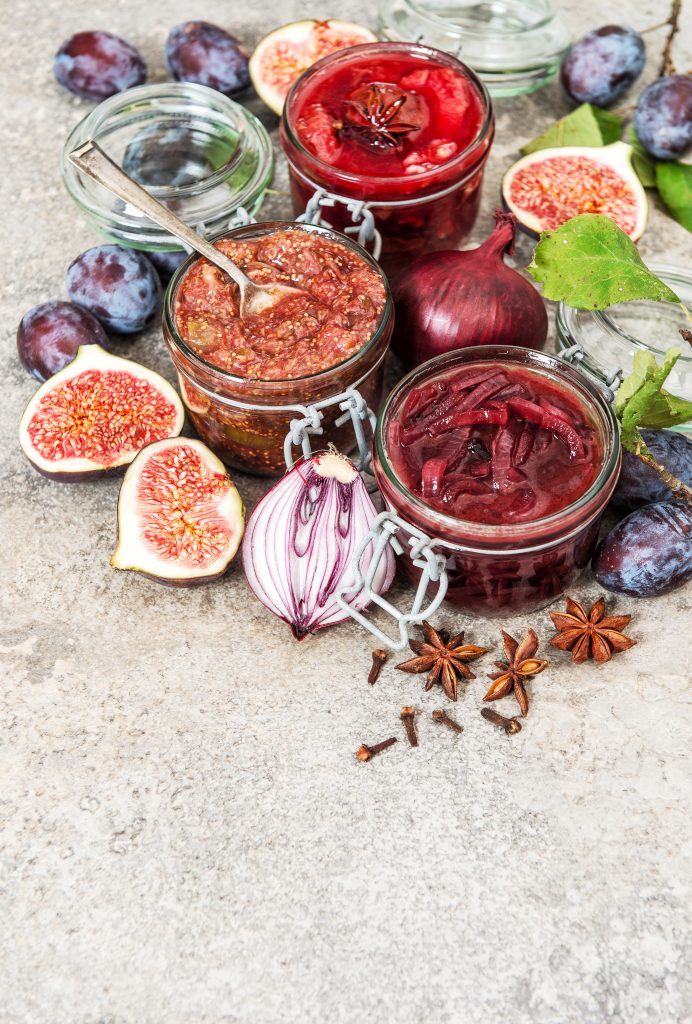
Caribbean is also rich in the agricultural production of vegetables, including tomatoes, carrots, cucumbers, sweet peppers, and yams. Countries like Haiti, Jamaica, and Dominican Republic produce a wide range of vegetables, both for local consumption and export.
Many Caribbean families grow vegetables in small home gardens or community plots, ensuring a steady supply of fresh produce. This practice is deeply rooted in the culture, where “ground provisions” (root vegetables like yams and cassava) form the foundation of many traditional dishes.
2. Citrus Fruits
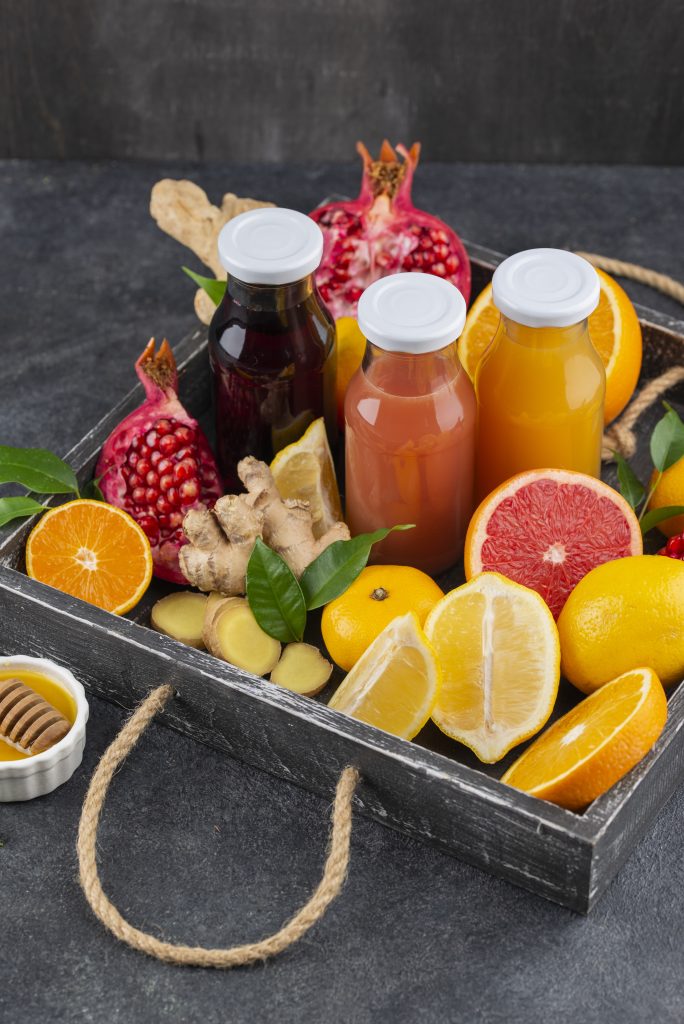
The Caribbean’s warm and sunny climate makes it an ideal region for growing citrus fruits, including oranges, grapefruits, lemons, and limes. The Dominican Republic and Haiti lead the production of citrus in the region, with large-scale commercial farms supplying both local markets and exports.
Citrus farming in the Caribbean contributes to the juice industry, with products like orange juice and lime juice being popular not just in the Caribbean, but internationally. Citrus fruits are also used in various culinary dishes, jams, and preserves, adding to their significance in local agriculture.
3. Bananas
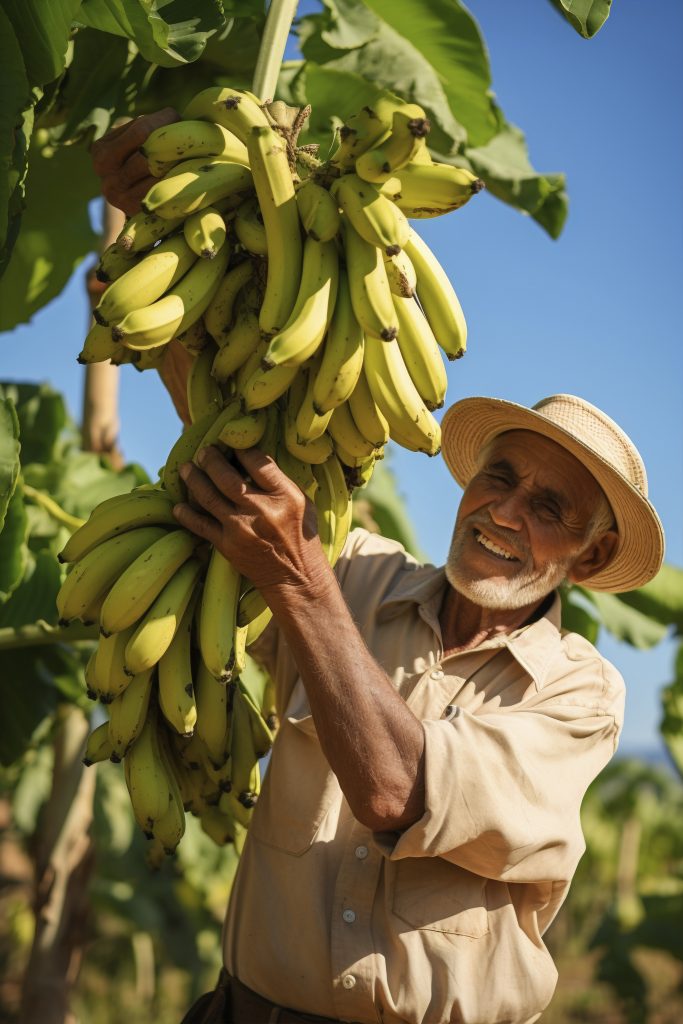
Bananas are another signature crop in the Caribbean, with the Dominican Republic, Jamaica, St. Lucia, and Belize being major producers. The Caribbean’s tropical climate makes it ideal for growing both bananas and plantains, though bananas are typically more widely exported.
While bananas are primarily grown for export, the plantains, which are larger and starchier than bananas, are a staple food for many Caribbean communities. From frying them to turning them into stews, plantains hold a special place in Caribbean kitchens.
4. Livestock Production
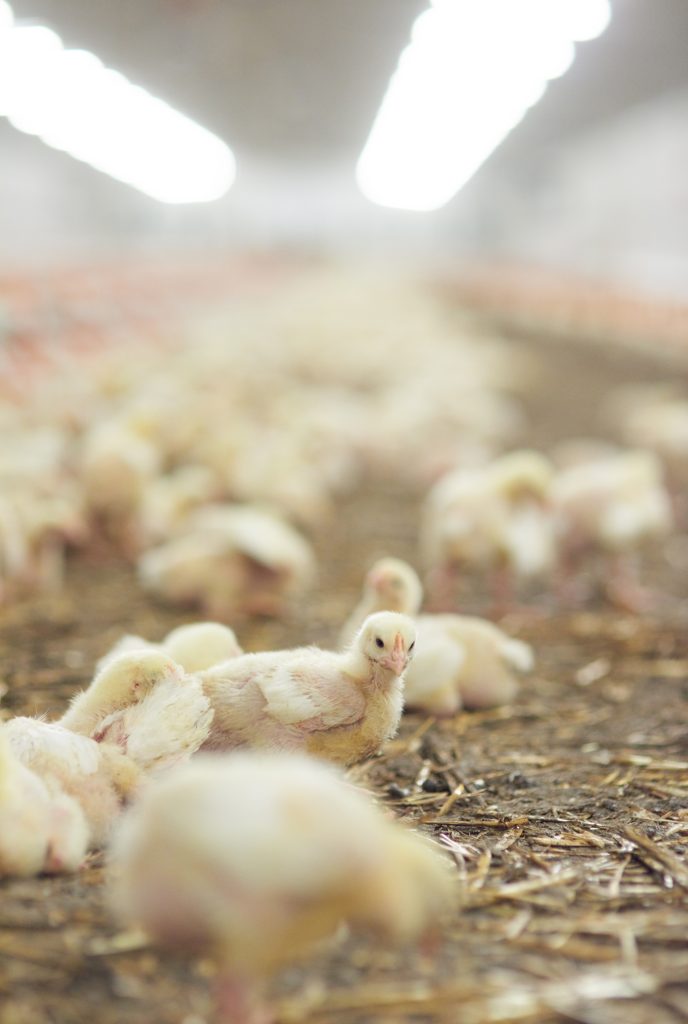
Livestock farming in the Caribbean includes the raising of cattle, pigs, goats, sheep, and poultry. These animals provide meat, milk, and eggs to the local populations, and livestock farming is an important component of rural economies.
While not as widespread as crop farming, livestock is increasingly becoming a focus in places like Trinidad and Tobago, Jamaica, and Barbados. Goat farming, for example, has grown in popularity due to the high demand for goat meat, a staple in Caribbean cuisine.
5. Coffee
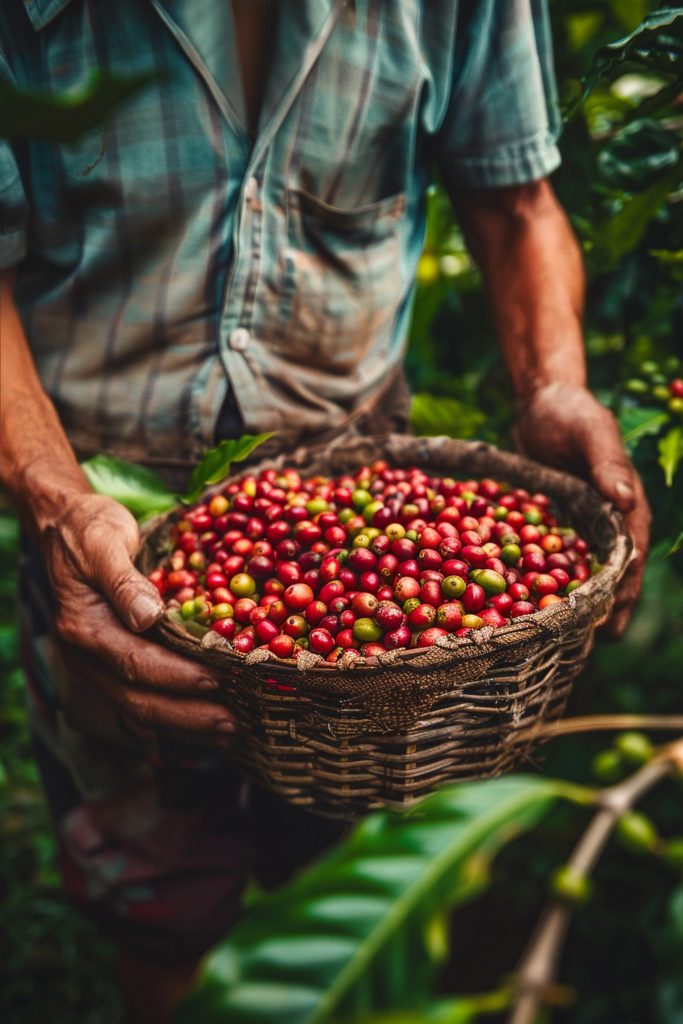
The high-altitude regions of the Caribbean are well-suited for coffee production. The rich volcanic soil, combined with a mild tropical climate, creates perfect conditions for growing some of the world’s most famous coffees, such as Jamaican Blue Mountain Coffee—arguably the best known, highly prized for its smooth flavor and low acidity.
Countries like Dominican Republic, Puerto Rico, and Haiti also produce coffee, and it is often a major agricultural export. Coffee farming in the Caribbean has a long tradition, and many small farmers continue to use sustainable, organic farming methods, often cultivating their coffee at higher altitudes to achieve a unique taste profile.
6. Sugar Cane
Historically, sugar has been the backbone of Caribbean agriculture, with sugarcane cultivation dating back to the early colonial era. Sugarcane remains a key agricultural crop in the Caribbean, particularly in countries like Cuba, Jamaica, Trinidad and Tobago, and Barbados.
Sugarcane is grown primarily for the production of sugar, molasses, and rum. The Caribbean is one of the world’s largest rum producers, and sugarcane’s role in this industry is irreplaceable. The cane itself is also used for bioenergy, with some regions turning sugarcane byproducts into fuel for electricity generation.

7. Spices and Herbs
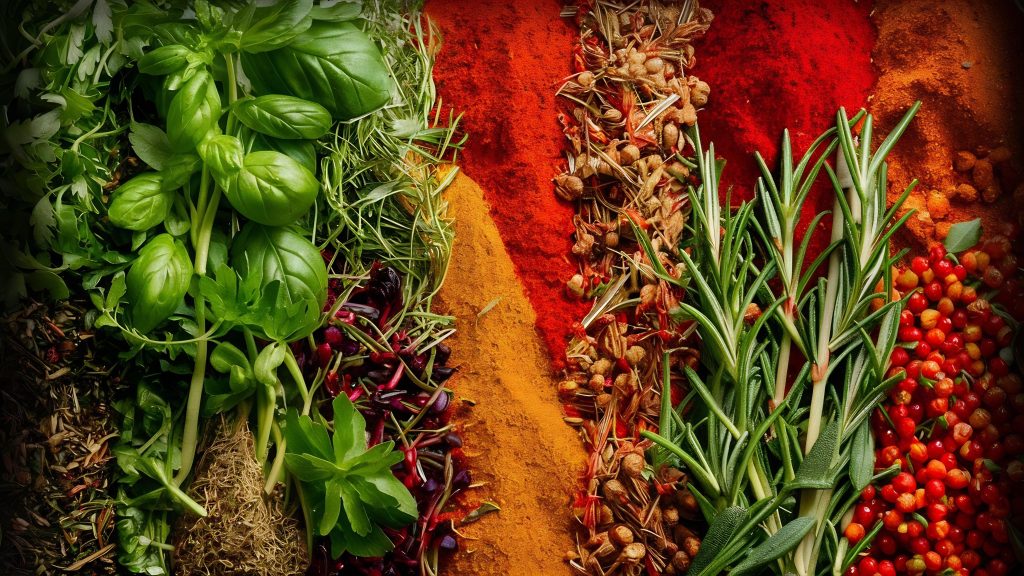
Spices and herbs are an integral part of Caribbean cuisine, with ginger, allspice, thyme, cinnamon, and pepper being some of the most commonly grown. Jamaica, Dominican Republic, and Trinidad and Tobago are key producers of these flavorful and aromatic plants.
These crops are not only important for food but also for medicinal purposes, as many herbs and spices are believed to have health benefits. In fact, several Caribbean communities rely on homegrown herbs for remedies and traditional healing.
Your Equipment Suppliers, provides top-quality commercial and industrial machinery with global delivery, financing, training, installation, and exceptional customer service. Empower your business growth with reliable equipment and expert support worldwide.


