


Packaging machines are the backbone of your production, and keeping them in top shape is essential for smooth operations. Without regular maintenance, you risk downtime and costly repairs that can eat into your profits.
The good news? With a few simple steps, you can extend the lifespan of your machines and improve efficiency.
In this guide, we’ll explore practical ways to care for your equipment. From routine cleaning and lubrication to scheduling regular inspections and selecting machines designed for longevity, these tips will help you get the most out of your investment and avoid unnecessary headaches down the road.
The Importance of Regular Maintenance
Regular maintenance is the key to keeping your packaging machines running smoothly and preventing costly breakdowns. Just like with a car, taking the time to perform routine checks and upkeep can go a long way in extending the lifespan of your equipment. Without it, small issues can quickly become big (and expensive) problems.
The cost savings are huge when you stay on top of maintenance. Simple tasks like cleaning, lubricating parts, and inspecting for wear and tear may seem minor, but they can save you from shelling out for major repairs or even replacing machines down the road. A little effort now can prevent a lot of frustration—and expense—later.
That’s why establishing a regular maintenance schedule is so important. Sticking to a consistent plan ensures that all essential tasks get done on time, reducing the risk of unexpected downtime and costly repairs. It’s a proactive approach that keeps your machines in peak condition and your business running efficiently.
Daily Cleaning and Inspection Practices
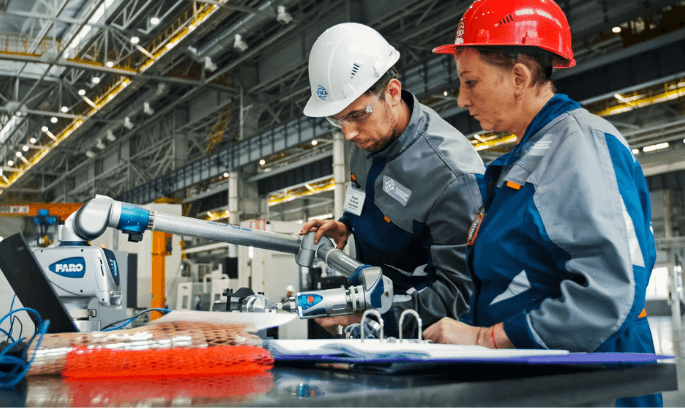
Keeping your packaging machines clean on a daily basis is essential to prevent dust and debris buildup, which can lead to long-term damage. Dust, grime, and product residue can easily get into critical areas, causing friction or blockages that wear down parts faster. A quick cleaning routine helps ensure your machines run smoothly and reduces the risk of breakdowns.
Focus on cleaning key areas like the conveyor belts, sensors, and moving parts. Wipe down belts to remove any product remnants that could jam the system, and clean sensors to ensure they function accurately. Make sure to also check moving parts for any debris that might affect their performance. Regular cleaning doesn’t take long but goes a long way in maintaining machine efficiency.
In addition to cleaning, it’s important to conduct daily visual inspections for wear and tear. Managers should keep an eye out for signs like worn belts, loose bolts, or unusual noises, which can be early indicators of a potential problem. Addressing these issues right away can prevent them from becoming bigger, more costly repairs later on. Catching problems early not only extends the life of your machines but also keeps production running without costly interruptions.
A little time spent on cleaning and inspection each day will save you time, money, and headaches down the road.
Proper Lubrication Techniques
Proper lubrication is one of the most important ways to keep your packaging machines running smoothly. Lubrication reduces friction between moving parts, which helps prevent wear and tear. Without it, parts can grind against each other, leading to excessive heat, damage, and even costly breakdowns. Simply put, regular lubrication is essential to extending the life of your equipment.
Establishing a lubrication schedule is key. The frequency of lubrication depends on how often your machines are in use. High-usage machines may need lubrication daily, while others might only require it once a week or monthly. It’s important to consult your machine’s manual for recommended intervals, and stick to a routine to avoid forgetting this crucial task.
Choosing the right lubricant is just as important. For example, food packaging machines require food-safe lubricants to meet health and safety standards. There are different types of lubricants for various parts—greases for gears, oils for bearings, and silicone-based options for conveyor belts—so be sure to select the appropriate one for each component.
When applying lubricants, it’s essential to avoid over-lubrication. Too much lubricant can attract dust and debris, leading to buildup and clogging. Apply just enough to coat the moving parts without excess, and be sure to clean off old grease or oil before adding more. With the right schedule and careful application, lubrication can greatly extend the efficiency and lifespan of your machines.
Conducting Regular Inspections and Replacements
While daily checks are essential, monthly or quarterly inspections provide a deeper look into the health of your packaging machines. These scheduled inspections allow you to catch potential issues that may not be obvious during everyday use. Thorough inspections can help prevent small problems from escalating into costly breakdowns that interrupt production.
One key part of regular inspections is identifying worn parts before they fail. Keep an eye on components like belts, bearings, and motors. If you notice a belt starting to fray, or bearings that seem loose or noisy, it’s time to replace them. Catching these issues early means you can schedule repairs or replacements during downtime rather than dealing with an unexpected breakdown during peak hours.
Using visual guides, like your machine’s manual or diagrams, can be incredibly helpful during these inspections. These resources can show you exactly what each part should look like, making it easier to spot any wear or damage. It’s always a good idea to have these materials handy when conducting inspections to ensure nothing is overlooked.
Preventing Overloading and Misuse of Machines
One of the easiest ways to extend the life of your packaging machines is to make sure they’re being used properly. Overloading machines or pushing them beyond their capacity puts unnecessary strain on components, leading to faster wear and tear, breakdowns, or even permanent damage. It’s important to educate workers on the machine’s capacity limits and ensure they’re following the guidelines.
Training your staff is key to preventing misuse. Many machine issues arise simply because operators aren’t fully aware of how to use them correctly. Providing proper training on machine operation, safety procedures, and maintenance basics can go a long way in preventing costly mistakes. When your team knows how to operate the machines effectively and understands the importance of using them as intended, it reduces the risk of damage and keeps everything running smoothly.
By prioritizing proper machine usage and regular staff training, you can significantly reduce the chance of machine failure and prolong the lifespan of your equipment. It’s a small investment in time that pays off in fewer repairs and longer-lasting equipment.
Choosing the Right Equipment for Longevity
When it comes to packaging machines, investing in high-quality, durable equipment from the start can save you a lot of headaches down the road. While cheaper options might seem appealing upfront, they often come with higher repair and replacement costs over time. Quality machines are built to withstand heavy use and last longer, which means fewer breakdowns and better performance over the years.
Another factor to consider is ease of maintenance. Machines that are designed for easy access to parts, straightforward cleaning, and simple repairs can save you a lot of time and money. If maintenance is quick and hassle-free, it’s more likely to get done regularly, keeping your equipment in peak condition.
Ultimately, the long-term return on investment (ROI) for high-quality machines is worth it. Equipment with lower maintenance needs and longer lifespans allows you to focus more on production and less on repairs. By choosing machines that are built to last and easy to care for, you’ll minimize downtime, cut repair costs, and maximize your profitability over the long haul.
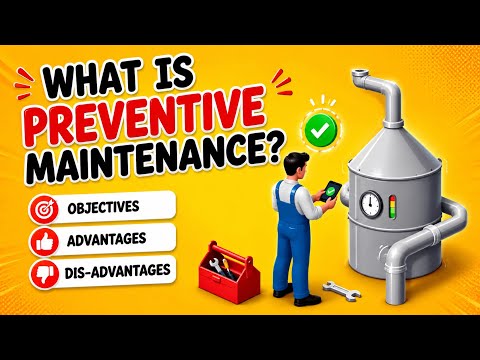
Now you can discover What is Preventative Maintenance and How to Make Preventative Maintenance Easy.
Conclusion
Keeping your packaging machines running smoothly and extending their lifespan comes down to a few key practices: regular maintenance, proper lubrication, scheduled inspections, and correct usage. These simple steps can make all the difference in avoiding costly repairs and unexpected downtime.
By implementing these strategies, companies can keep their machines in top condition and their operations running efficiently. It’s important to remember that proactive maintenance is a small investment that pays off in the long run. Taking care of your equipment now means fewer breakdowns, lower repair costs, and a longer lifespan for your machines.
So, don’t wait until there’s a problem—start putting these tips into action today and see the benefits of a well-maintained, reliable production line for years to come.
FAQs
1. Why is regular maintenance important for packaging machines?
Regular maintenance is essential because it helps prevent breakdowns, reduces repair costs, and extends the lifespan of your packaging machines. A well-maintained machine runs more efficiently, minimizing downtime and increasing productivity.
2. How often should lubrication and inspections be performed on packaging machines?
Lubrication and inspections should be performed based on the machine’s usage and manufacturer recommendations. High-usage machines may require daily lubrication and inspections, while others might only need attention weekly or monthly. Regular maintenance schedules are key to preventing issues.
3. What are the long-term benefits of proactive maintenance?
Proactive maintenance reduces the chances of unexpected machine failures, lowers repair costs, and ensures a longer lifespan for your equipment. It ultimately leads to smoother operations and better long-term return on investment (ROI).
4. How can proper machine usage impact the lifespan of packaging equipment?
Proper machine usage helps avoid overloading and misuse, which can cause unnecessary strain on components and lead to wear faster and tear. Training staff on correct usage ensures the equipment operates at its best, helping it last longer.
5. What should companies focus on when selecting packaging machines for long-term performance?
Companies should invest in high-quality, durable machines that are easy to maintain. These machines are built to withstand heavy use and require less frequent repairs, offering better long-term performance and a higher return on investment.
You May Also Like
- What Is Lean Manufacturing?
- Blast Freezer Prevents Bacteria Growth
- 4 Packaging Ideas To Increase Awareness
- Amazing Modern Solutions To Farming
- Cleaning Stainless Steel


