


Picture yourself stepping onto a factory floor in 2026. Machines communicate seamlessly. Dashboards glow with real-time analytics. Robots glide alongside human technicians, and production adjustments happen almost automatically. It might feel like a scene from a sci-fi movie, but this is the direction industrial manufacturing is headed.
This transformation is happening worldwide. More than 75 percent of manufacturers are actively investing in digital initiatives to boost efficiency and competitiveness. The companies that embrace these trends early are the ones setting the pace.
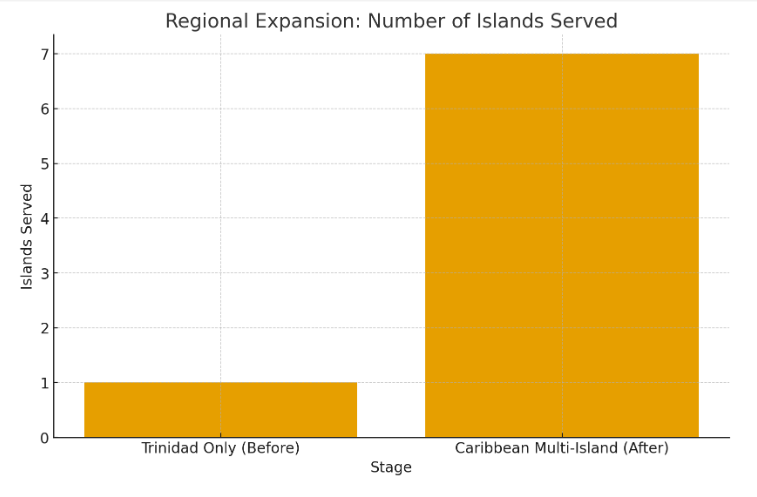
In the Caribbean, for example, Planting Seeds, a small business in Trinidad and Tobago, leveraged grant funding and digital platforms to scale regionally. They went from onboarding roughly 50 entrepreneurs to over 500 in a year, expanding their reach from a single island to three. This story shows how digital tools, when paired with strategic support, can unlock efficiency, inclusivity, and growth even in smaller markets.
Let’s explore the trends shaping industrial manufacturing in 2026 and what they mean for your business.
Smart Factories Become Essential
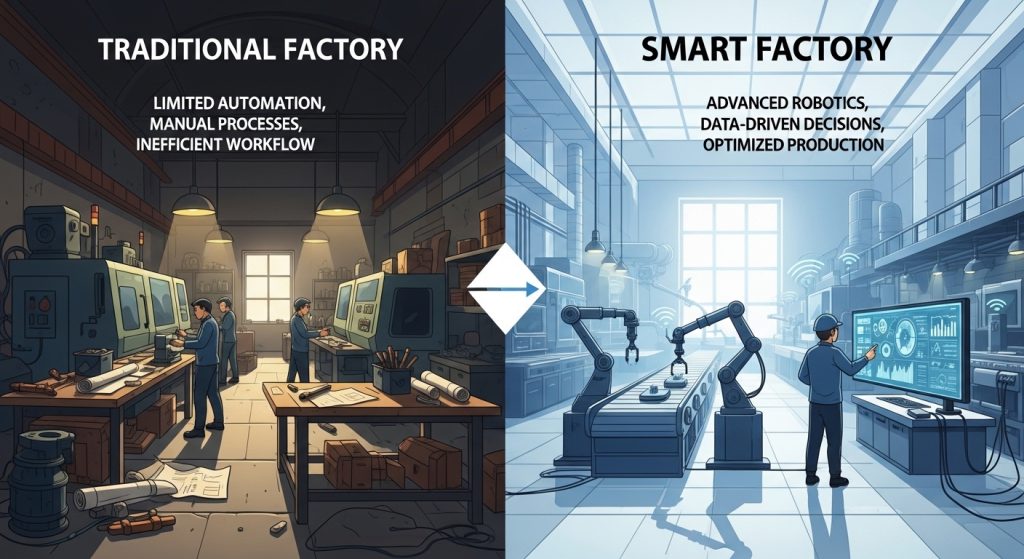
The “smart factory” is no longer a concept for the future. Sensors, connected machines, and AI-powered analytics allow manufacturers to predict maintenance issues, optimize production schedules, and reduce waste. By 2025, sixty percent of factory control systems were projected to be connected via the Internet of Things, and the global smart manufacturing market is expected to grow steadily into 2026.
Planting Seeds shows how digital adoption can scale operations efficiently. By implementing digital onboarding and management tools, they improved operational efficiency and allowed a larger number of small entrepreneurs to participate in a single platform. In industrial manufacturing, the principle is the same: smart systems allow more output with fewer errors and better oversight.
Automation Goes Beyond Robots
Automation is no longer just about robotic arms on an assembly line. Advanced process automation now spans inventory management, maintenance, and analytics. Predictive maintenance alone can reduce costs by twenty to thirty percent once properly implemented. Around fifty percent of manufacturers are integrating robotics. At the same time, digital twins, virtual replicas of production processes, are being adopted in over forty percent of firms to simulate changes before applying them on the floor.
The lesson from Planting Seeds is clear: automation combined with supportive systems, like advisory programs or software guidance, creates faster and more reliable growth. Industrial manufacturers who combine machines and data systems can achieve the same kind of exponential efficiency gains.
Data-Driven Decisions Become Critical
In 2026, data is one of the most valuable assets a manufacturer can have. Sixty percent of manufacturers use data analytics to improve operational efficiency, and more than seventy percent have reported revenue growth tied to digital initiatives.
Planting Seeds used data dashboards to track sales, inventory, and regional expansion. For industrial manufacturing, similar dashboards enable managers to detect bottlenecks, optimize resources, and make decisions with confidence. The companies that interpret data into action will outpace competitors who collect data but do not act on it.

IoT and Connected Operations Expand
The Industrial Internet of Things is projected to be worth over $110 billion in 2026. Smart sensors and connected devices allow manufacturers to monitor equipment health, supply chains, and production lines in real time.
By digitizing operations, Planting Seeds could extend their market beyond local communities. Similarly, manufacturers who use IoT-enabled systems can expand capacity, reduce downtime, and increase transparency for clients and stakeholders.
Sustainability Is Strategic
Sustainability is no longer just a corporate ideal; it is tied directly to efficiency and profitability. Nearly seventy-eight percent of factories integrating digital tools have reported reductions in waste. Grant-supported initiatives like those received by Planting Seeds enable companies to implement eco-conscious practices while improving productivity and expanding market reach.
Skilled Workforce Remains Central
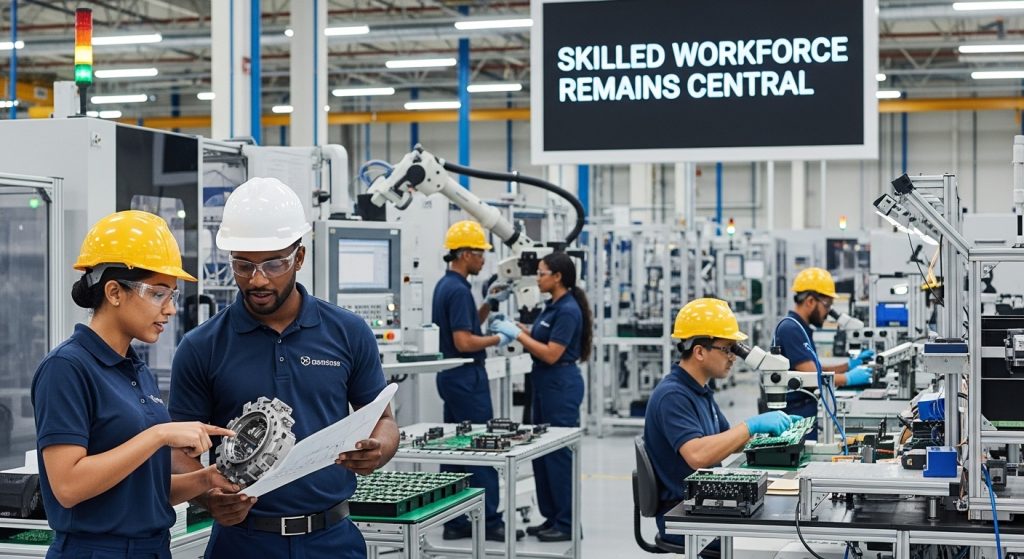
Even with AI and automation, human expertise is essential. Eighty percent of executives believe workforce upskilling is crucial for successful digital transformation. Planting Seeds hired and trained staff to onboard entrepreneurs and teach digital tools. In industrial manufacturing, the parallel is clear: technicians and engineers who can interpret machine data and optimize processes are invaluable.
Resilient Supply Chains
Global events have made supply chain resilience a necessity. Digital tools, predictive modeling, and automation allow manufacturers to anticipate disruptions rather than react to them. Planting Seeds used grant-supported platforms to connect businesses across islands, creating a more reliable and accessible market network. Similarly, industrial manufacturers who integrate digital monitoring and predictive tools can minimize downtime and maintain operational continuity.
Preparing Your Business in 2026
The next few years will reward manufacturers who act strategically:
Strengthen connectivity through smart sensors and IoT.
Implement automation tools that deliver measurable efficiency.
Use data analytics to guide decisions, not just collect information.
Upskill teams to maximize digital systems.
Align sustainability practices with productivity and efficiency goals.
The story of Planting Seeds illustrates that combining technology, human support, and strategic guidance enables scalability, inclusivity, and efficiency. In 2026, industrial manufacturing is following the same principle: integrate digital tools, empower your people, and expand your operational reach.
The factories of the future are already taking shape, and those who prepare now will lead the way.
Listen to our podcast below for more information.


