

Client Snapshot
From Manual Baking to Scalable Food Manufacturing
Business: Trinibakes
Owner: Kathleen Joseph
Location: Based in Trinidad, serving customers nationwide
Operation Type: Bakery & Frozen Dough Manufacturing
YES Equipment:
Potato Peeler
Immersion Blender
Commercial Dough Mixer (80L)
Commercial Dehydrator (20 Tray)
Vacuum Sealer
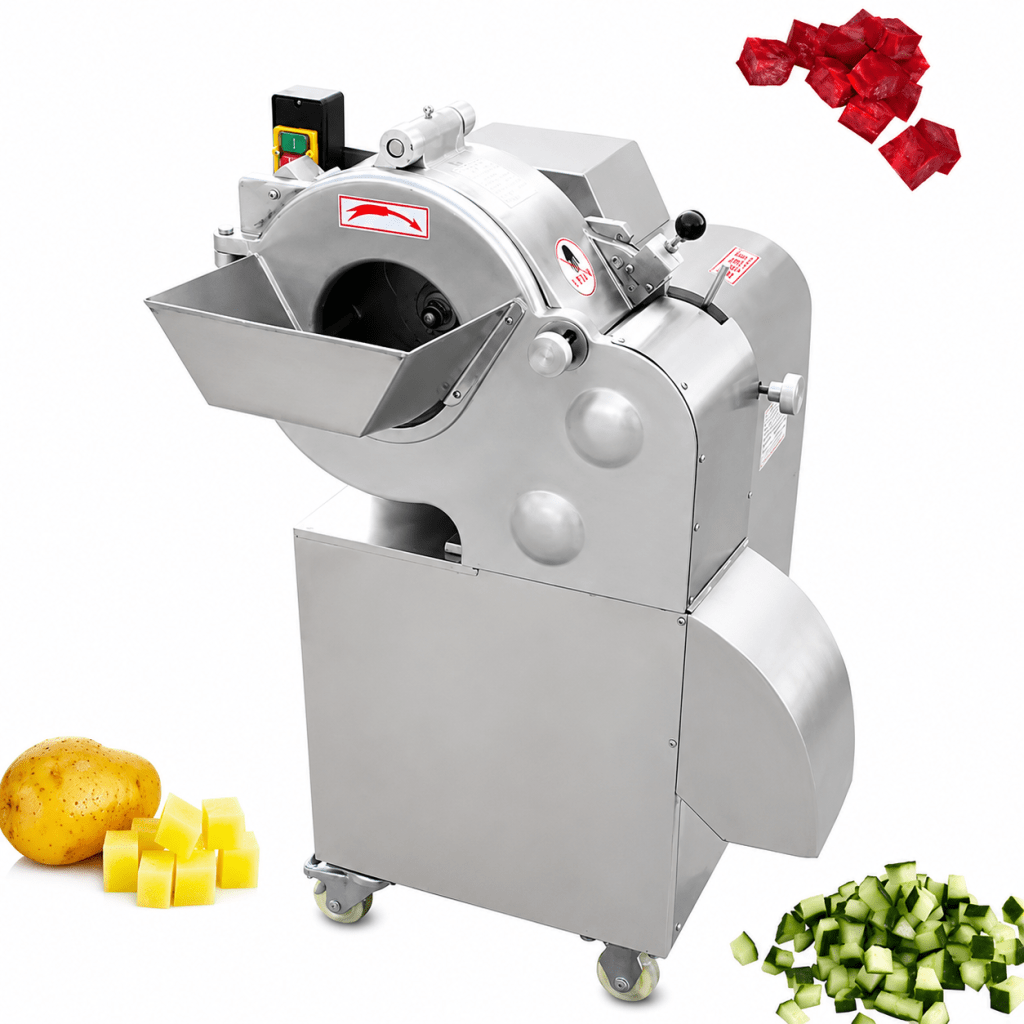
Multi-Vegetable Cutter
Bread Maker
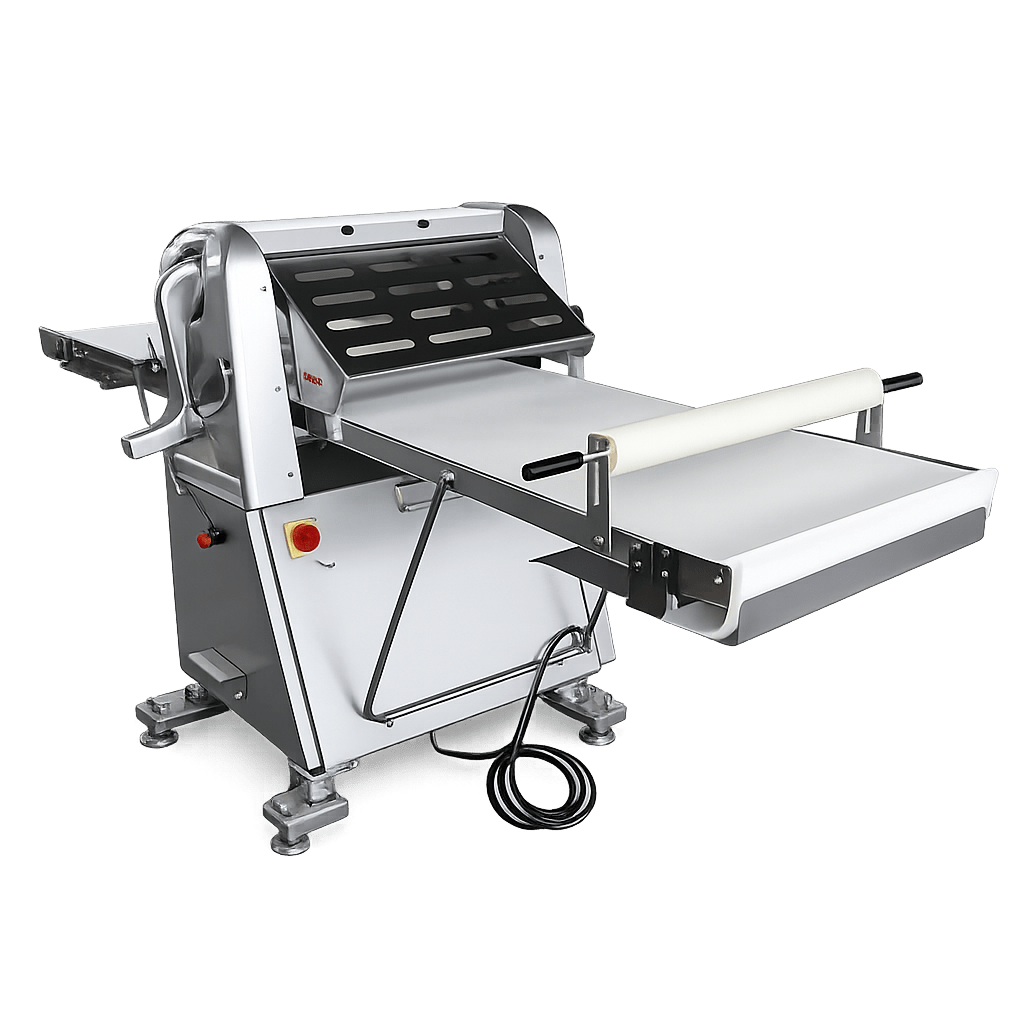
Dough Sheeters (2)
1. BEFORE → AFTER TRANSFORMATION
The Dough Mixer, Dough Sheeters, Bread Maker, Vegetable Processing Equipment, Dehydrator, and Vacuum Sealer became the foundation behind Trinibakes’ transformation from a labour-intensive bakery into a more scalable food manufacturing operation.
THE PROBLEM (BEFORE): MANUAL PRODUCTION LIMITATIONS
Trinibakes had built a strong reputation for quality baked goods and innovative, vegetable-fortified frozen dough products, so demand was high, and customers loved their goods.
The challenge was production capacity.
Manual preparation, small batch sizes, labour-intensive workflows, and inconsistent processing limited the company’s ability to pursue larger customers and expand into new markets.
The business had reached the point where growth was becoming constrained by the production system itself.
| BEFORE (Manual + Labour Intensive) | AFTER (Efficient + Scalable) |
|---|---|
| Manual dough preparation and kneading | Mechanised dough processing |
| 5 lb pastry batches | 22 lb pastry batches |
| Limited production volume | 2–3x greater production output |
| Production heavily dependent on manual labour | Improved labour efficiency |
| Three workers could only produce a fraction of current output | Three workers now produce what would have required approximately nine workers manually |
| Additional labour cost of approximately $374,400/year required to match current output | Labour efficiency gained through equipment investment |
| Inconsistent product quality | Consistent, repeatable quality |
| Limited ability to pursue wholesale opportunities | New wholesale customer ordering 40–50 cases of bread |
| Owner tied to production activities | Owner able to focus on growth activities |
| Growth bottlenecks | Scalable production system |
2. Market Context: Why This Upgrade Matters
The global bakery products market was valued at approximately USD $513 billion in 2024 and is projected to exceed USD $730 billion by 2032, driven by rising demand for convenience foods, premium bakery products, healthier options, and frozen dough solutions.
The global frozen bakery market is expected to exceed USD $40 billion within the next decade, fuelled by growing demand from supermarkets, restaurants, caterers, and foodservice operators seeking consistency and labour efficiency.
Locally, Trinidad & Tobago’s bakery sector remains one of the country’s most established food manufacturing industries. Bread, pastries, baked snacks, and frozen dough products form part of everyday consumer demand across households, retailers, restaurants, schools, and hospitality operators.
For bakeries, the opportunity is significant; however, opportunity alone does not create growth.
The real question becomes:
Can the business consistently produce enough product to meet demand while maintaining quality and profitability?
That is where equipment becomes more than a purchase.
It becomes a growth strategy.
For Trinibakes, investing in production equipment allowed the business to position itself for larger customers, higher production volumes, and future expansion.
3. The Business Problem: Demand Was Outgrowing Production
Many food businesses aren’t limited by customer demand, but by their infrastructure.
For Trinibakes:
- Customer demand already existed.
- The products were proven.
- The market opportunity was there.
The issue was capacity.
The existing production process created limitations such as:
- Labour-intensive dough preparation
- Small batch production
- Production bottlenecks
- Limited throughput
- Inconsistent product quality
- Reduced operational efficiency
- Limited ability to pursue larger customers
- Less time for strategic growth
The business had reached a point where manual methods were no longer aligned with its ambitions.
| Before the Upgrade | After the Upgrade |
|---|---|
| Labour-intensive production | Mechanised production |
| Small batches | Large-scale batches |
| Limited output | 2–3x higher output |
| Growth constrained by production | Capacity aligned with growth |
| More operational pressure | Improved workflow |
| Limited time for growth | More time for business development |
4. The Bottleneck: Production Capacity
One of the clearest examples of the production bottleneck was pastry production.
Before upgrading, Trinibakes could process approximately 5 pounds of pastry at a time.
With the new production equipment, the company can now process approximately 22 pounds per batch.
Capacity Increase
22 lbs ÷ 5 lbs
= 4.4 times larger batches
= 340% increase in batch capacity
This allowed the business to move from essentially working around a single production table to effectively utilising four production stations.
Overall production output increased by approximately:
2–3 Times More Production
or
60%–80% Greater Efficiency
Most importantly, Trinibakes gained the confidence to pursue larger customers.
The business has since secured a wholesale customer requiring approximately:
40–50 Cases of Bread Per Order
in addition to its regular customer base.
For growing food manufacturers, this is the point where equipment stops being an expense and becomes a growth enabler.
5. YES Recommendation (Strategic Equipment Stack)
THE SOLUTION
Rather than solving a single bottleneck, the goal was to modernise the production process from ingredient preparation through to final packaging.
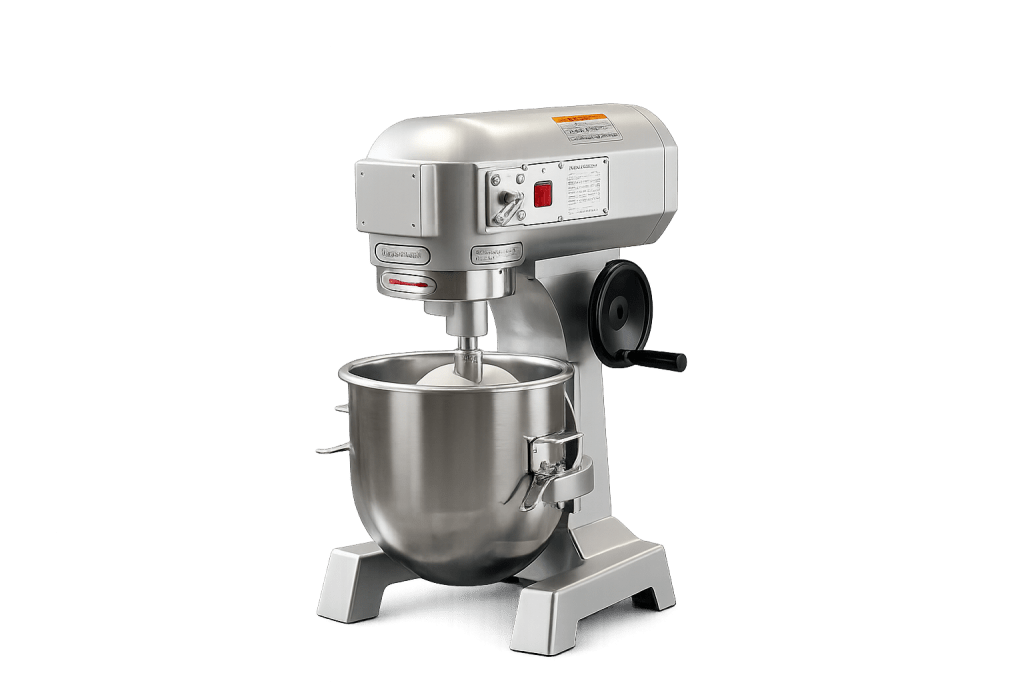
Commercial Dough Mixer (80L)
Produces up to 30kg of dough per batch.
Benefits
- Reduced manual kneading
- Improved consistency
- Higher throughput
- Larger batch production
Dough Sheeters
Benefits
- Faster dough preparation
- Uniform thickness
- Better quality control
- Reduced manual labour
Bread Maker
Benefits
- Increased production volume
- Consistent finished products
- Improved workflow efficiency
Potato Peeler & Multi-Vegetable Cutter
Benefits
- Faster ingredient preparation
- Reduced labour requirements
- Improved production speed
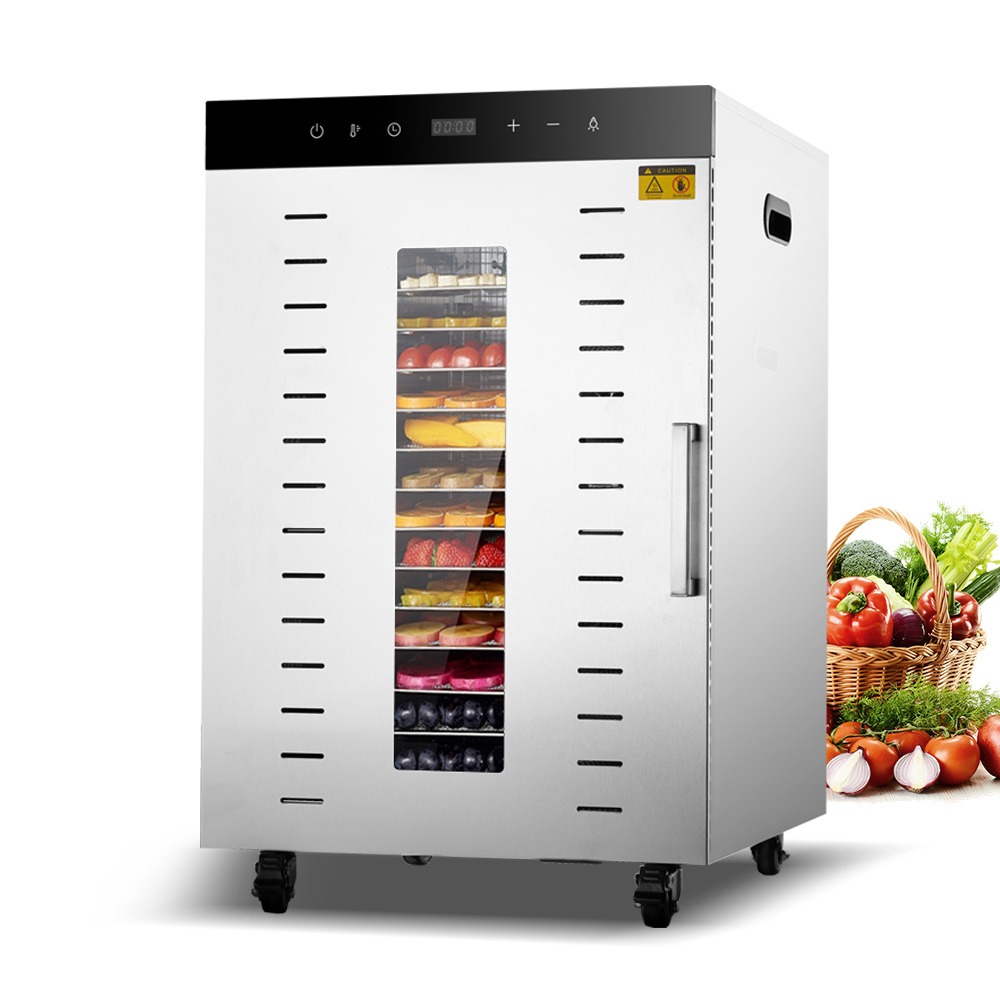
Commercial Dehydrator
Benefits
- Expanded product development opportunities
- Improved ingredient preservation
- Greater production flexibility
Vacuum Sealer
Benefits
- Improved shelf life
- Better product presentation
- Enhanced inventory management

What YES Added:
✔ Equipment matching to production needs
✔ Practical guidance and support
✔ Confidence in performance and reliability
✔ Customer support and communication
✔Ongoing assistance when questions came up
Not just machines; a production upgrade.
6. Results: Operational & Business Impact
1. Production Increased 2–3 Times
The new equipment dramatically increased production without requiring a proportional increase in labour.
Impact
- More products produced
- Larger customer capacity
- Better profitability potential
- Improved scalability
Customer Quote
“We get about two to three times more done than before.”
2. Expanded Into Wholesale Markets
The increased capacity enabled Trinibakes to secure a new wholesale customer.
Impact
- 40–50 cases of bread supplied wholesale
- Increased revenue opportunities
- Greater market reach
- Improved business credibility
Customer Quote
“The biggest benefit has been the ability to position the company to access new markets and larger volumes of orders.”
3. Improved Labour Efficiency
The equipment did not replace workers.
It made workers significantly more productive.
Kathleen estimates that to produce today’s volume manually would require approximately nine employees compared to the three currently operating the production process.
Impact
- Better utilisation of labour
- Higher output per employee
- Lower production cost per unit
- Ability to scale efficiently
4. Improved Product Consistency
The mechanised production process created greater uniformity across every batch.
Impact
- Improved quality control
- Better customer experience
- More reliable products
- Greater confidence supplying larger customers
Consistency is one of the most important foundations of business growth.
Customers expect the same product every time.
5. Reduced Operational Stress
The equipment removed much of the pressure associated with managing labour-intensive production.
Impact
- Less production stress
- Better workflow control
- Improved operational confidence
- Greater flexibility
Customer Quote
“I am able to leave my team and continue working because I know I have proper machines that are giving me quality.”
6. More Time for Business Development
The equipment created freedom beyond production.
Impact
- More time for marketing
- Greater focus on customer retention
- More opportunities to enter new markets
- Better strategic planning
Customer Quote
“I’m able to focus on customer retention, marketing, and entering new markets.”
ROI Example: Labour Efficiency
The financial value of the investment can be understood through labour optimisation.
Trinibakes currently operates with approximately three production employees.
According to Kathleen, achieving today’s production volume using manual methods would require approximately nine employees.
That means the equipment effectively allows:
3 Employees To Produce What Previously Would Have Required 9 Employees
Equivalent labour avoided:
6 Additional Employees
Valued at:
TTD $30 Per Hour
TIME & LABOUR SAVED48 LABOUR HOURS / DAY SAVED3 employees can produce what previously would have needed 9 employees → Three times the output achieved with the same amount of staff 8 hrs/day × 6 employees = 48 hrs/day |
WEEKLY VALUE (LABOUR EFFICIENCY)48 hrs/day × 5 days = 240 labour hours per week Valued @ TTD 30/hr 240 hrs × 30 = TTD $7,200/week saved |
YEARLY IMPACTTTD $7,200 × 52 = TTD $374,400 per year in labour efficiency value. |
PAYBACK CALCULATIONEquipment InvestmentPotato Peeler $4,500 Total InvestmentTTD $190,459 ROI Year 1: 374,400 ÷ 190,459 = 197% operational payback in one year |
***These figures are used as an example only***
Estimated First-Year Payback
197% Operational Payback
The labour efficiency value alone could exceed the original equipment investment by almost double within the first year.
And that still does not include the full business upside.
This ROI example does not include:
- 2–3x production increase
- 340% larger pastry batches
- New wholesale customer
- Increased production capacity
- Improved consistency
- Expanded market opportunities
- Improved customer retention
- Reduced operational stress
- Stronger business credibility
- Greater owner flexibility
- Increased profitability
For most growing food manufacturers, the biggest return comes from removing the bottleneck that was limiting growth.
Market Validation
The improvements strengthened:
- Production reliability
- Product consistency
- Customer confidence
- Wholesale readiness
- Business credibility
- Growth potential
This creates a powerful growth cycle:
Better Equipment → Better Production → Better Quality → Larger Customers → Greater Profitability
The right production system strengthens both the business and the brand.
7. What Would Have Happened Without the Equipment?
Without upgrading, Trinibakes would likely have continued facing:
- Labour-intensive production
- Capacity limitations
- Difficulty pursuing larger customers
- Inconsistent quality
- Higher labour costs
- Limited growth opportunities
- Increased operational stress
Demand would continue growing.
But the production system would remain the bottleneck.
8. Customer Testimonial
“I always refer YES to everyone. I love Krystle. I love the customer service.
That’s one of the things that stands out. There’s really good customer service. There’s good professionalism. There is an investment in the company to try to understand what my needs are and how we can move to get this done.
The adaptability, the extra mile, and the willingness to always say yes to a request and then kind of work out how we can do it together. I say YES. YES all the way.
For any business owner who is still doing this process manually or is unsure about investing in equipment, don’t waste your time. You’re wasting time, you’re wasting money, and you’re wasting opportunity.
Go talk to YES.”
Kathleen Joseph, Owner, Trinibakes
9. Why This Matters for Other Business Owners
Trinibakes reflects a challenge faced by many bakeries throughout Trinidad & Tobago.
Most businesses are not limited by ambition.
They are limited by production infrastructure.
As businesses grow, the pressure typically appears in the same areas:
- Too much manual labour
- Limited production capacity
- Inconsistent quality
- Difficulty meeting demand
- Long production hours
- Less time for business development
- Increased operational stress
At that point, business owners have a choice. You can either continue working harder within the same system or find a way to upgrade it.
Trinibakes chose to upgrade the system.
10. Long-Term Value: What the Investment Continues to Return
The ROI calculation only measures the first year of labour efficiency.
The real value comes after the equipment has already paid for itself.
The investment continues delivering:
- Improved labour efficiency
- Faster production
- Greater capacity
- Improved consistency
- Better workflow control
- Increased profitability
- Expanded market access
- New product opportunities
- Greater owner flexibility
Unlike recurring labour expenses, the equipment continues to create value year after year.
11. Labour Capacity Created Through Equipment
Total Labour Capacity Created Per Year
The machinery didn’t eliminate jobs. Instead, it drastically increased the amount of work each employee could accomplish.
Based on Kathleen’s estimate, producing Trinibakes’ current output using manual methods would require approximately nine employees, compared to the three employees currently operating the production process.
That means the equipment effectively created the productive capacity equivalent of:
6 Additional Employees
At 40 hours per week, this represents:
6 employees × 40 hours × 52 weeks
= 12,480 Labour Hours of Additional Productive Capacity Per Year
This is not the time that disappeared from the business.
Rather, it represents the additional labour that would have been required to achieve the same production output without the equipment.
That equals approximately:
- 1,560 full 8-hour workdays
- More than 4 years of individual working time
- Thousands of productive hours generated through improved efficiency
What Did This Additional Capacity Create?
Without the equipment, Trinibakes would likely have needed significantly more staff simply to maintain production levels.
Instead, the machinery allowed the existing team to become far more productive while creating room for expansion.
The additional productive capacity enabled the business to:
- Increase production by 2–3 times
- Pursue larger wholesale customers
- Improve product consistency
- Enter new markets
- Expand product offerings
- Support business growth without excessive labour costs
Importantly, the equipment did not reduce employment.
As production capacity increased, Trinibakes was able to bring additional people into the business and create new roles that support growth, customer service, operations, and market expansion.
Rather than hiring more staff simply to keep up with manual production demands, the business could hire strategically to support long-term growth.
As Kathleen explained:
“The labour was maximised, so you would have better use of labour. We were able to produce at a higher volume, but at a lower cost point.”
And perhaps most importantly:
“I’m able to leave my team and continue working because I know I have proper machines that are giving me quality. I’m able to leave the team and go out and enter new markets.”
Sometimes the biggest benefit of equipment is not reducing labour.
It is allowing labour to be used more effectively while creating the capacity needed for growth.
What Can TTD $374,400 Per Year Help Fund?
The value created through improved labour efficiency can now be directed toward:
- Expanding product lines
- Purchasing additional equipment
- Increasing production capacity
- Improving packaging and branding
- Entering new retail markets
- Building distribution networks
- Developing new frozen dough products
- Hiring additional staff in growth-focused roles
- Strengthening cash reserves
Or on a personal level:
- More quality time with loved ones
- Personal development
- Reduced financial stress
- Greater work-life balance
The value no longer needs to be absorbed by inefficient production methods.
Instead, it can be reinvested into both business growth and quality of life.
Product Portfolio Expansion
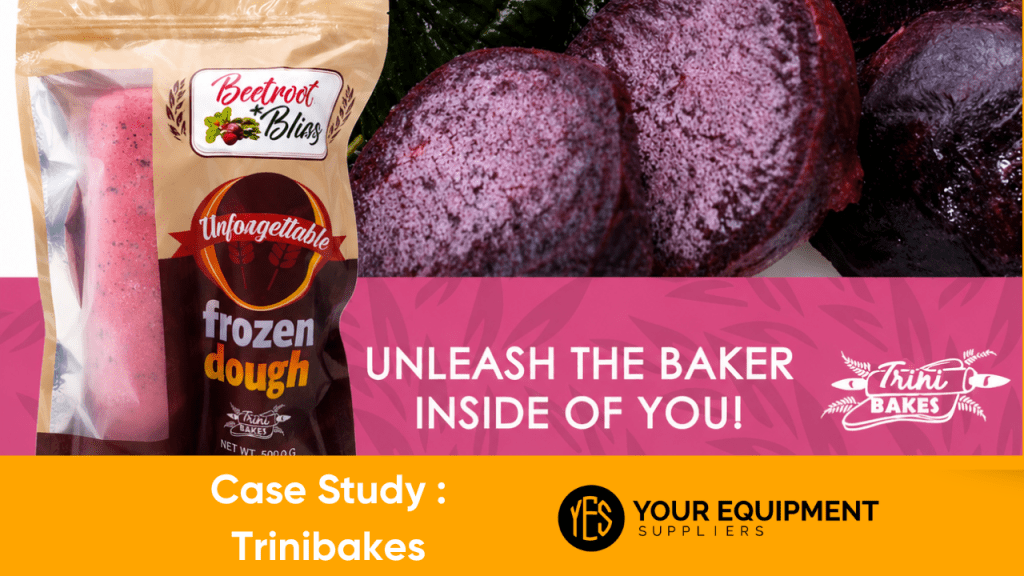
Alongside fresh-baked goods, Trinibakes produces a range of healthy frozen dough products fortified with vegetables and herbs.
Current offerings include:
- Beetroot & Bhagi
- Patchoi Blend
- Basil & Parsley
- Coconut
- Original White
- Wholesome Whole Wheat
Products are supplied as pre-shaped loaves and hops and can be customised to meet customer requirements.
This gives Trinibakes additional opportunities across retail, wholesale, hospitality, and foodservice markets.
12. The Bigger Business Shift
Before the Investment
- 5 lb pastry batches
- Labour-intensive production
- Manual dough preparation
- Limited production capacity
- Difficulty pursuing larger customers
- Inconsistent quality
- Owner heavily involved in production
After the Investment
- 22 lb pastry batches
- 2–3x greater production output
- Improved labour efficiency
- Access to wholesale contracts
- More consistent quality
- Greater market opportunities
- Improved profitability potential
- More time for marketing and growth
The equipment did not simply save time.
It transformed Trinibakes from a traditional bakery into a scalable food manufacturing operation with the capacity, consistency, and efficiency needed to support future growth.
13. Why YES Wins
Other suppliers sell machines.
YES sells outcomes.
Typical Seller | YES |
| “Here’s the machine.” | “Here’s your bottleneck removed.” |
| Price-based | ROI-based |
| Transactional | Partnership + support |
| Equipment Only | Equipment+ Guidance + Results |
| Generic Recommendations | Production-matched solutions |
Final Takeaway
Trinibakes didn’t just purchase a Dough Mixer, Dough Sheeters, Bread Maker, Vegetable Processing Equipment, Dehydrator, and Vacuum Sealer.
They:
- upgraded their production system.
- increased production output by 2–3 times.
- expanded pastry batch capacity from 5 lbs to 22 lbs per batch.
- improved labour efficiency without reducing jobs.
- created the productive capacity equivalent of six additional employees.
- secured a new wholesale customer requiring 40–50 cases of bread per order.
- improved product consistency and quality control.
- created opportunities to enter new markets.
- enabled the owner to focus on marketing, customer retention, and business development.
- positioned the company for future growth.
For business owners, the lesson is simple:
Growth is not only about increasing sales.
Growth requires the production capacity to support those sales.
Many bakeries and food manufacturers reach a stage where demand exists, customers are ready to buy, and new opportunities are available.
The challenge becomes whether the production system can consistently deliver the volume, quality, and efficiency required to support that growth.
If your business is experiencing increasing demand but struggling with labour-intensive processes, inconsistent quality, production bottlenecks, or limited capacity, the issue may not be marketing. It might be your production system.
For Trinibakes, the challenge was never creating demand because they have had it all along. The challenge was creating a production process capable of keeping up with it.
The investment in equipment transformed the business from a labour-intensive bakery into a more scalable food manufacturing operation capable of supplying larger customers, producing greater volumes, and supporting long-term expansion.
At YES, we help bakeries and food manufacturers identify the operational bottlenecks holding back growth and match them with equipment designed around their actual production needs.
Because the right equipment does not simply improve production.
It creates the foundation for sustainable growth, stronger profitability, and the freedom to focus on building the business instead of constantly working in it.
Stop producing in limits. Start producing at scale.
Book a consult: Right Machine. Right Outcome. Zero Guesswork.


